FIBC Jumbo Bags Manufacturer in India

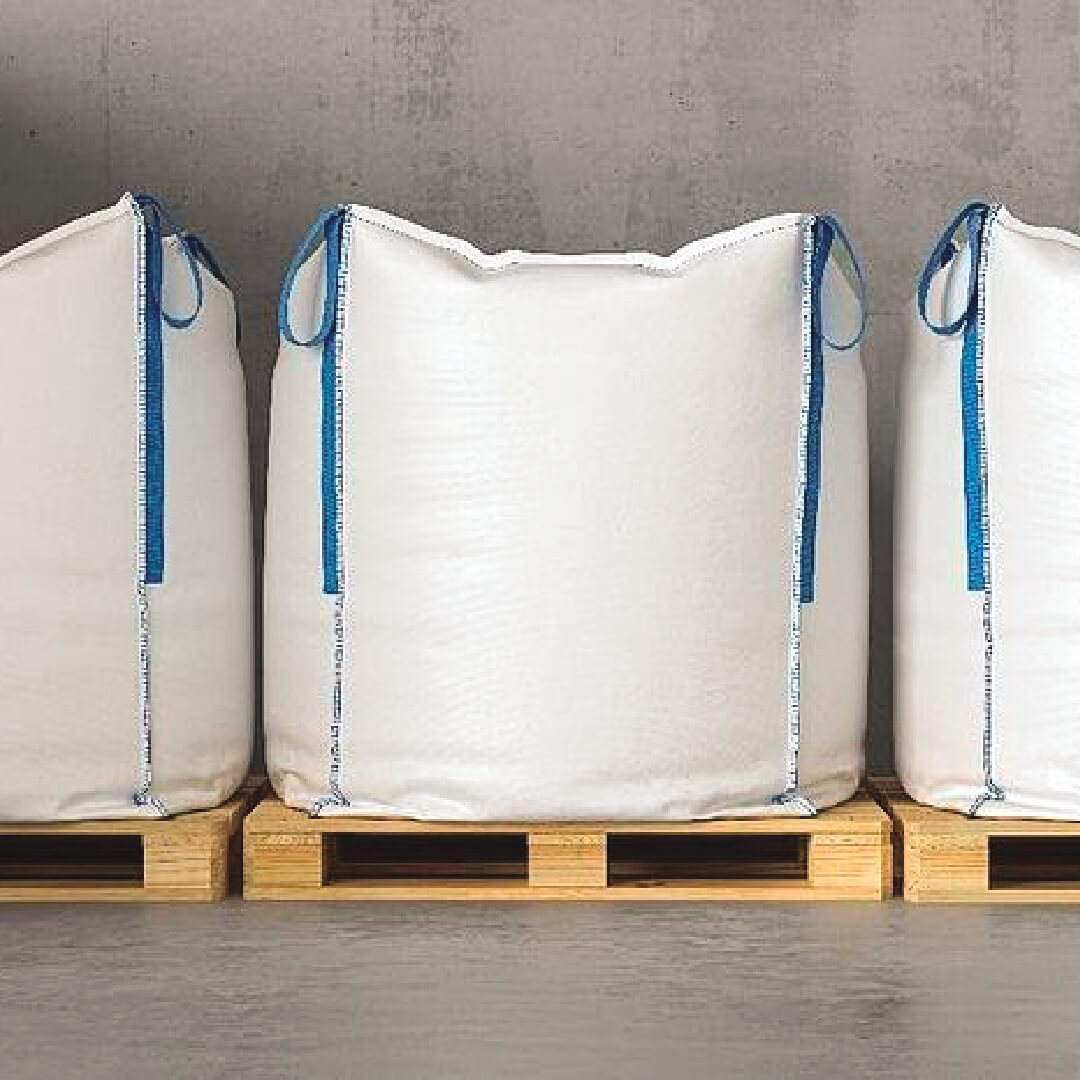
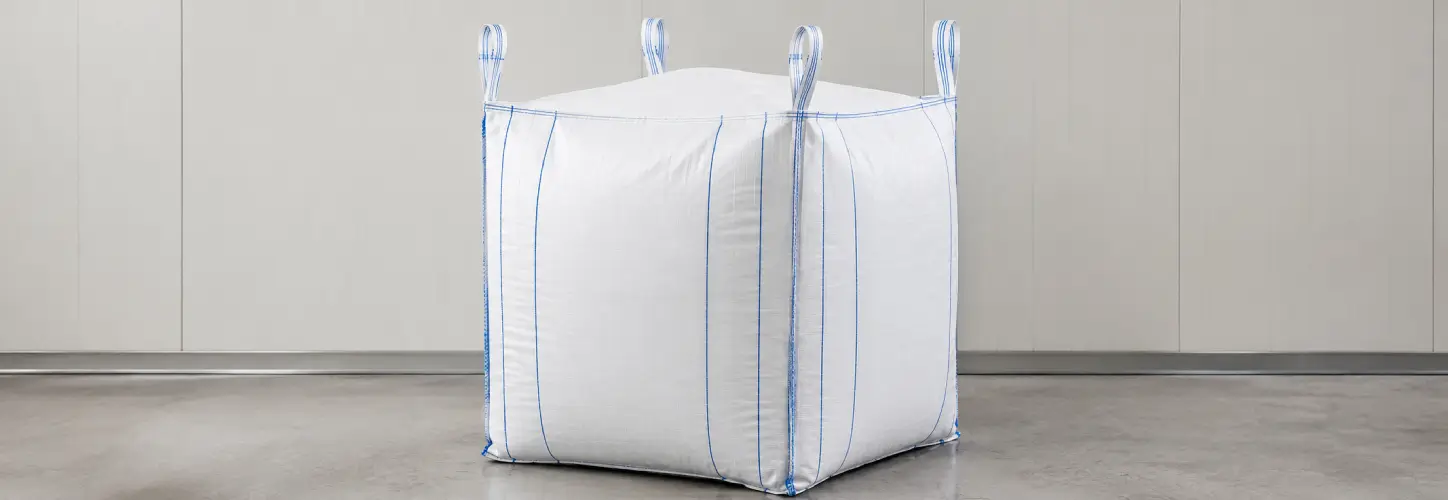
FIBC jumbo bags (Flexible Intermediate Bulk Containers) are large, flexible woven polypropylene bags used to store and transport bulk dry materials – also known as bulk bags, super sacks, or ton bags. Typically rated to carry 500 kg to 2,000 kg, they’re the standard bulk packaging format for petrochemicals, chemicals, fertilizers, minerals, food ingredients, and construction materials. Aeroflex Neu manufactures and exports FIBC jumbo bags in U-panel, 4-panel, circular, baffle, and conductive/anti-static configurations, customized to your load capacity, filling, and discharge requirements.

Industries we serve

fibc bags

FIBC Jumbo Bags Manufacturer in India

FIBC jumbo bags (Flexible Intermediate Bulk Containers) are large, flexible woven polypropylene bags used to store and transport bulk dry materials – also known as bulk bags, super sacks, or ton bags. Typically rated to carry 500 kg to 2,000 kg, they’re the standard bulk packaging format for petrochemicals, chemicals, fertilizers, minerals, food ingredients, and construction materials. Aeroflex Neu manufactures and exports FIBC jumbo bags in U-panel, 4-panel, circular, baffle, and conductive/anti-static configurations, customized to your load capacity, filling, and discharge requirements.

Industries we serve

PP Woven Fabric Specifications

Safe Working Load (SWL)
500 kg to 2,000 kg (custom capacities available)
Standard Base Dimensions
90×90 cm to 110×110 cm (custom sizes available)
Safety Factor
5:1 (single-use) or 6:1 (multi-trip, reusable)
Fabric
Woven polypropylene, coated or uncoated
Static Protection
Type A, B, C, or D (see below)
Certification
UN-certified options available for hazardous materials
Loop Configuration
Single, double, full, or cross-corner loop
Liner Options
Available for moisture-sensitive materials

Understanding FIBC Safety: SWL, Safety Factor & Anti-Static Types

Safe Working Load (SWL) and Safety Factor

Anti-Static Types - A, B, C, D

If your material is flammable, combustible, or handled near ignition sources, static control matters:
FeaturePP Woven FabricPP Non-Woven Fabric
How it's madePolypropylene tapes woven on a loomPolypropylene fibers bonded together (spunbond) without weaving
StrengthHigher tensile strength, better for heavy loadsLower strength, better for lightweight/disposable use
Typical useCement/fertilizer bags, FIBC, tarpaulins, ground coverShopping bags, medical drapes, masks, agricultural covers
TextureMesh-like, visible weave patternFelt-like, smooth surface
ReusabilityHighly reusable, durableOften single-use or short-term use

UN Certification

FIBCs used to transport hazardous or dangerous goods require UN certification, which mandates a 6:1 safety factor and a rigorous test battery (top-lift, drop, stacking, vibration, and topple testing), recertified annually. If your application involves regulated hazardous materials, confirm UN certification requirements with our team before ordering.

Understanding FIBC Safety: SWL, Safety Factor & Anti-Static Types

U Panel Bags

Built from a single piece of fabric forming the base and two sides (the "U"), with two additional panels stitched in. A widely used, cost-efficient construction offering strong load stability.

4 Panel Bags

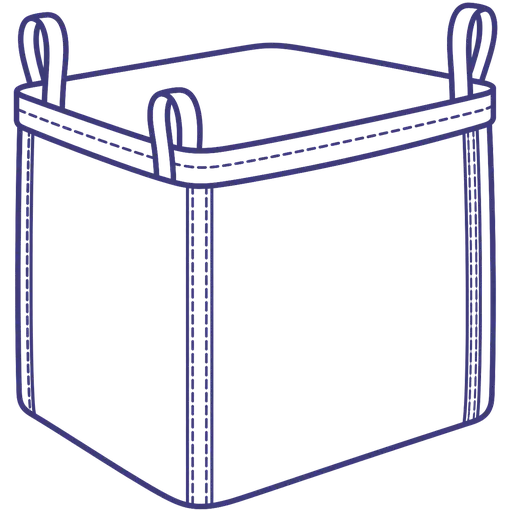
Four separate fabric panels stitched together, giving a square, box-like shape that stacks efficiently and maximizes container space during shipping.

Circular Cross Bags (Tubular Bags)

Woven as a seamless tube on circular looms, eliminating side seams for a cleaner, leak-resistant construction.

Baffle Bags (Q-Bags)

Internal fabric panels that hold the bag's square shape when filled, improving stacking stability and reducing wasted container space during export - typically 20–30% more space-efficient than standard bags.

Coated Bags

Fabric treated with a thin polymer coating for extra moisture and dust resistance, used for powders and moisture-sensitive materials.

Conductive Bags

Type C anti-static construction with conductive threads woven through the fabric, requiring grounding, for flammable powders in industries like petrochemicals and chemicals.

Ventilated Bags

Mesh or perforated panels that allow airflow, used for produce and materials that release heat or moisture after filling.
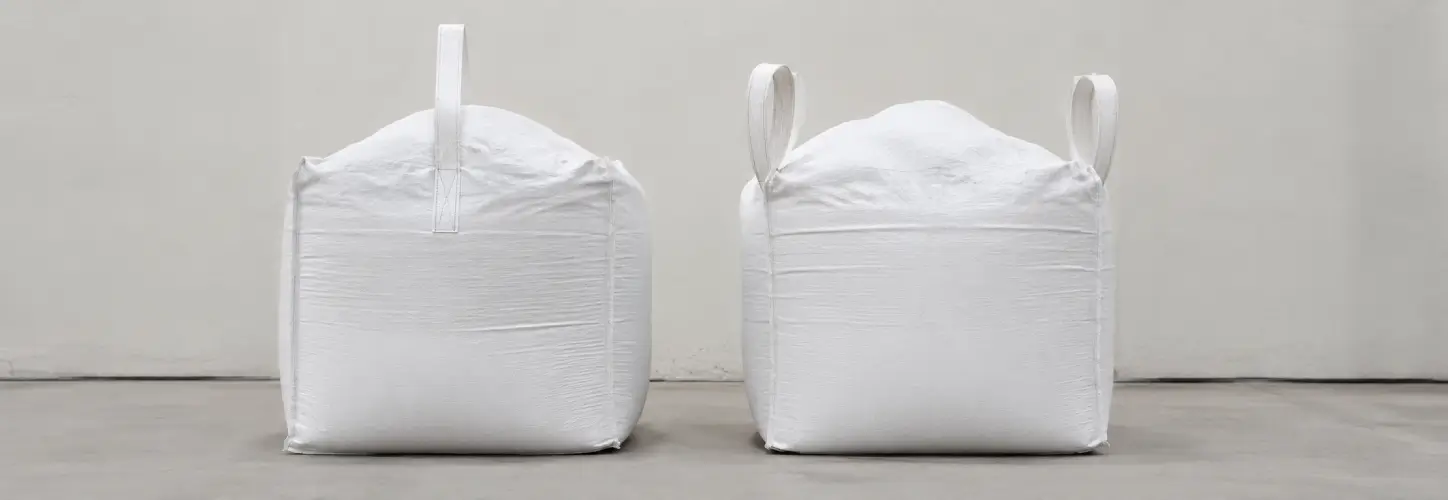
Single & Double Loop Bags

Lifting loop configurations at each corner; double-loop designs distribute load across two connection points for heavier or higher-frequency lifting operations.

Full Loop Bags

A continuous loop design offering maximum lifting strength, typically used for the heaviest-duty applications.
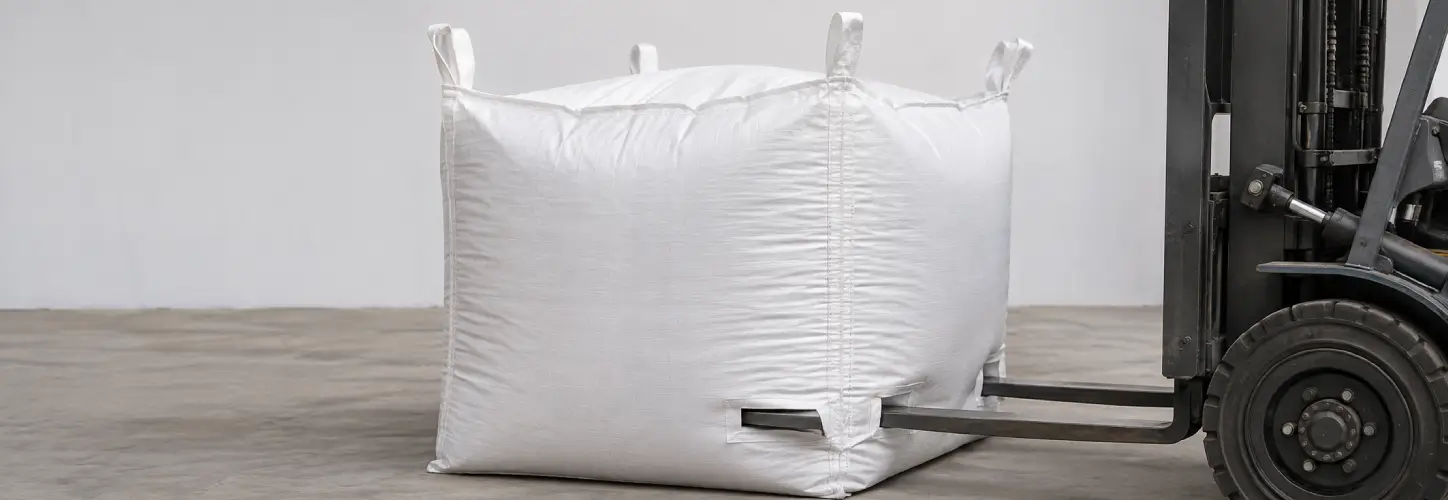
Tunnel Bags

Loops formed as a continuous tunnel through the bag body rather than four separate corner loops, allowing forklift tine access from any side.
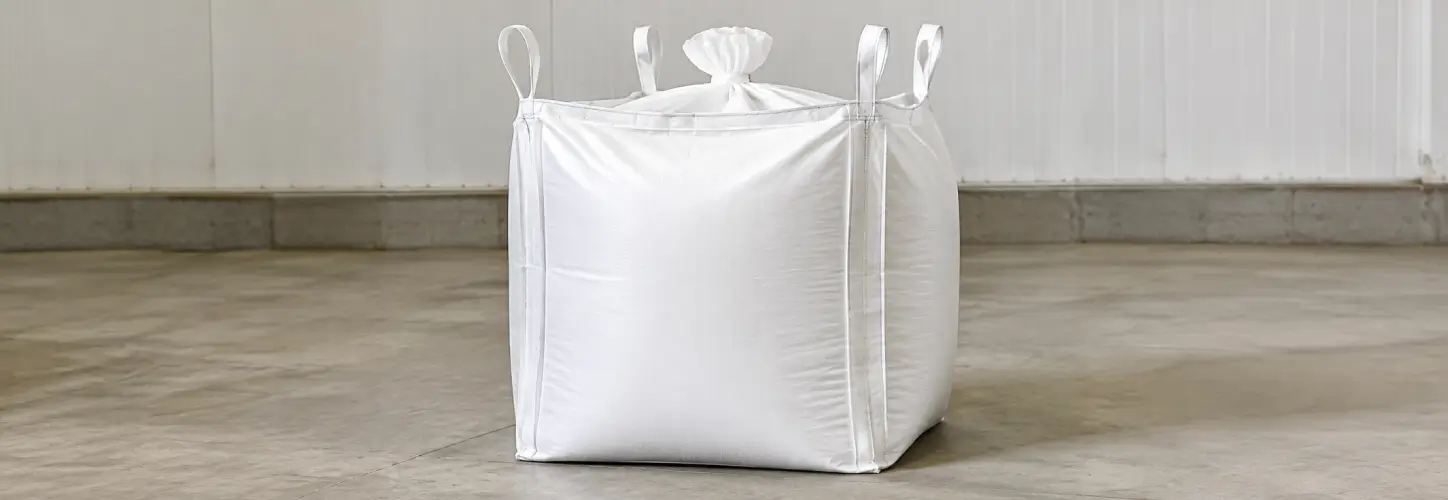
Dust Proof Bags

Sealed seams and coated fabric to prevent fine powder leakage, used for cement, minerals, and fine chemical powders.

Filling & Discharge Systems

Filling Systems

Open Top with Hem

Duffel Top Skirt

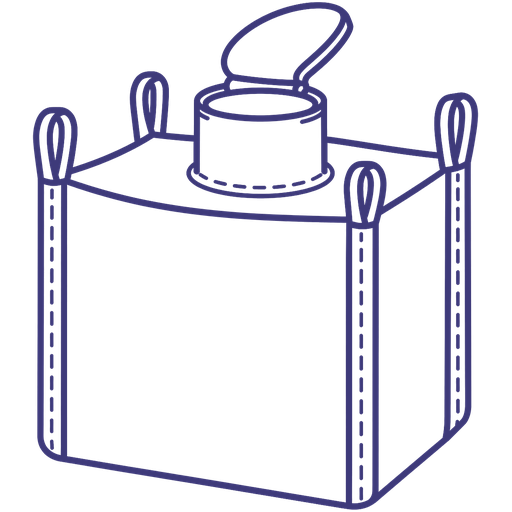
Filling Spout with Flap

Tie-Down Flap

Open Top with Drawn Cord

Filling Spout

Discharge Systems

Purple line drawing of a money bag with a tied knot at the top, representing wealth or savings (icon style)

Discharge Spout

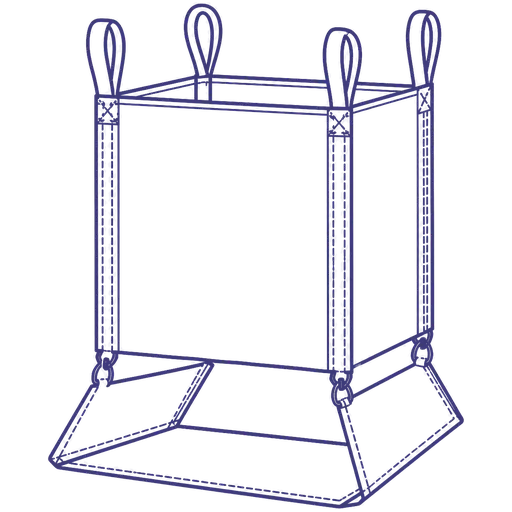
Full Drop Bottom

Discharge Spout with Protection Flap

Discharge Spout with Petal Closure

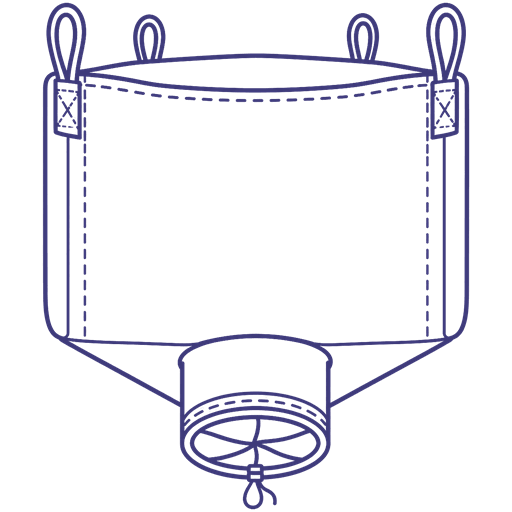
Discharge Spout with Iris Protection

The right combination depends on how your material is filled (manual, gravity, or pneumatic) and how it’s discharged at the destination – our team can help match filling and discharge systems to your production line.

Frequently Asked Questions

FIBC stands for Flexible Intermediate Bulk Container - a large, flexible bag made of woven polypropylene, used to store and transport bulk dry materials. FIBCs are also commonly called bulk bags, super sacks, or jumbo bags - these are all names for the same product.
Standard FIBC jumbo bags are rated to carry 500 kg to 2,000 kg, depending on fabric GSM, construction, and safety factor. Custom capacities are available for specific applications.
A 5:1 safety factor bag is tested to withstand five times its Safe Working Load and is intended for single use. A 6:1 safety factor bag is tested to withstand six times its SWL and is built for repeated, multi-trip use.
These are static-control classifications for handling flammable or combustible materials. Type A offers no static protection; Type B prevents propagating brush discharge; Type C is conductive and must be grounded; Type D is static-dissipative and doesn't require grounding.
A baffle bag (or Q-bag) has internal fabric panels that help the bag hold a square shape when filled, improving stacking stability and space efficiency - typically 20–30% more space-efficient than a standard bag during shipping.
UN certification is required if you're transporting hazardous or dangerous goods. It mandates a minimum 6:1 safety factor and a rigorous testing regime, recertified annually. Confirm your material's classification with our team to determine if UN certification applies.
Only FIBCs with a 6:1 (or higher) safety factor are designed for multi-trip reuse. Single-use (5:1) bags should not be reused after their first fill-discharge cycle.
FIBCs are widely used in petrochemicals, chemicals, pharmaceuticals, food, construction, fertilizers, mining, and wood industries - anywhere bulk dry materials need to be stored or transported efficiently.
Yes. Aeroflex Neu manufactures tailor-made FIBC bags based on the customer's packaging requirements, including different constructions, loop configurations, filling systems and discharge systems.

Get In touch

Tell us your GSM, width, color, and quantity requirement – our team responds with a quote within 24 hours.
Address : E- 260-261, Mewar Industrial Area, Opp. UCCI, Madri, Udaipur – 313003,