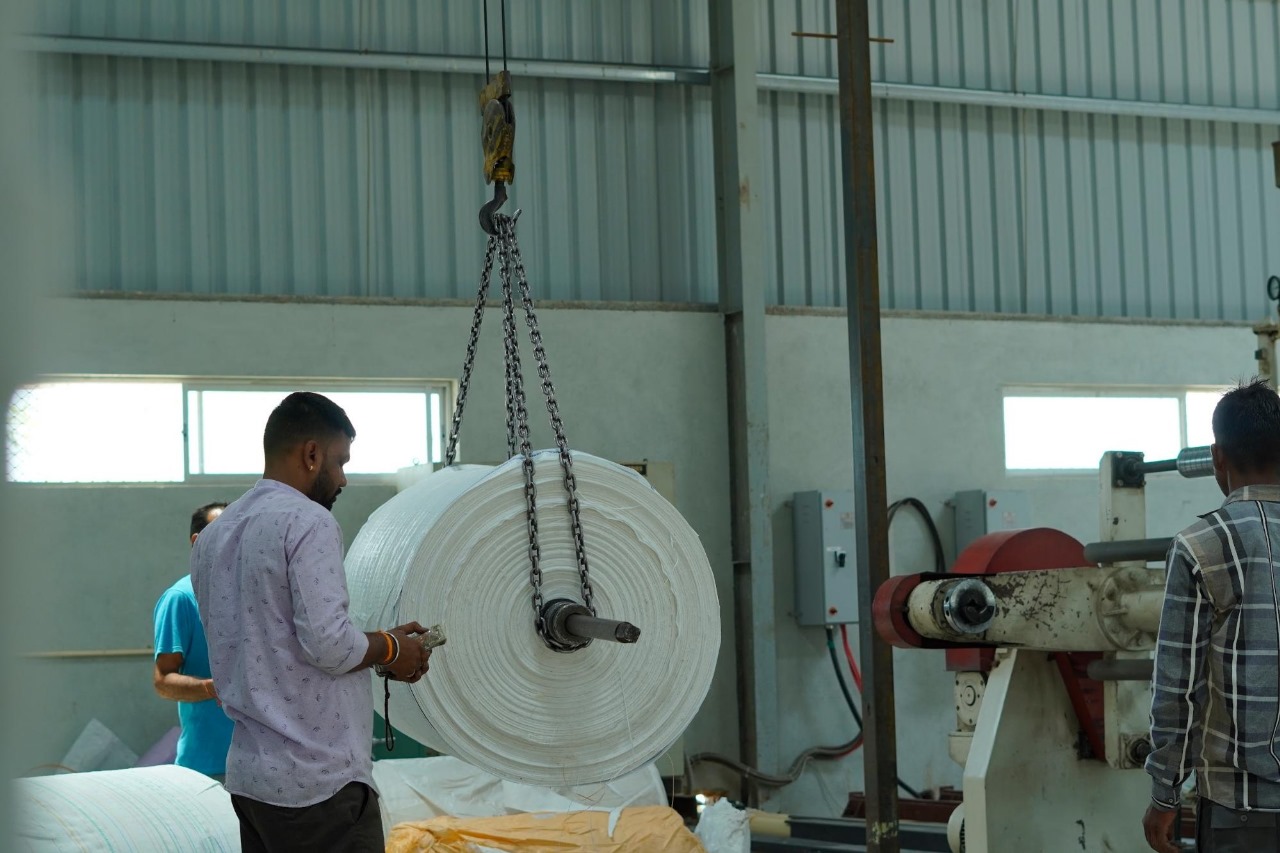

PP Woven Fabric Manufacturer in India

PP woven fabric (polypropylene woven fabric) is a lightweight, tear-resistant industrial textile made by weaving flat polypropylene tapes into a grid pattern. It’s used to make woven sacks, FIBC bulk bags, tarpaulins, and ground covers because it combines high tensile strength with low cost and full recyclability. Aeroflex Neu manufactures and exports PP woven fabric in laminated and unlaminated grades, from 50 GSM to 140 GSM, in circular or flat form, customized to your color, width, and printing needs.

PP Woven Fabric Manufacturer in India

PP woven fabric (polypropylene woven fabric) is a lightweight, tear-resistant industrial textile made by weaving flat polypropylene tapes into a grid pattern. It’s used to make woven sacks, FIBC bulk bags, tarpaulins, and ground covers because it combines high tensile strength with low cost and full recyclability. Aeroflex Neu manufactures and exports PP woven fabric in laminated and unlaminated grades, from 50 GSM to 140 GSM, in circular or flat form, customized to your color, width, and printing needs.

What Is PP Woven Fabric?

PP woven fabric is produced by extruding polypropylene resin into thin, flat tapes, then weaving those tapes on a loom – much like traditional textile weaving, but with plastic tape instead of thread. The result is a mesh-like structure that’s:
Because it can be produced laminated (coated with a thin polypropylene film) or unlaminated (raw woven mesh), it works for everything from breathable ground covers to leak-proof cement bags.

How PP Woven Fabric Is Made

Extrusion

Polypropylene granules are melted and extruded into thin film, then slit into narrow tapes.

Stretching

Tapes are drawn (stretched) to align the polymer molecules, which increases tensile strength.

Weaving

Tapes are woven on circular or flat looms into fabric of the required width and density.

Extrusion

Polypropylene granules are melted and extruded into thin film, then slit into narrow tapes.

Stretching

Tapes are drawn (stretched) to align the polymer molecules, which increases tensile strength.

Weaving

Tapes are woven on circular or flat looms into fabric of the required width and density.

Lamination (optional)

A thin PP film is heat-bonded to one or both sides for moisture-proofing and print quality.

Lamination (optional)

A thin PP film is heat-bonded to one or both sides for moisture-proofing and print quality.

Printing (optional)

Up to six-color flexographic printing is applied for branding.

Quality control

Each roll is checked for GSM consistency, tensile strength, and weave uniformity before dispatch.
PP Woven Fabric Specifications

Fabric GSM
50 GSM to 140 GSM
Width - Circular
45 cm to 148 cm
Width - Flat
90 cm to 240 cm
Color
White, transparent, or custom (per requirement)
UV Stabilization
Available
Lamination
Up to 180 cm width
Printing
6-color flexographic, up to 70 cm width
Gusset
Custom, per requirement
Packing
1,000–3,500 meters per roll
Form
Circular (tubular) or flat
Material
100% virgin or reprocessed polypropylene, per specification

Need a GSM or width outside this range? Contact our technical team - most specifications can be customized to order volume.

Types of PP Woven Fabric We Manufacture

Structure
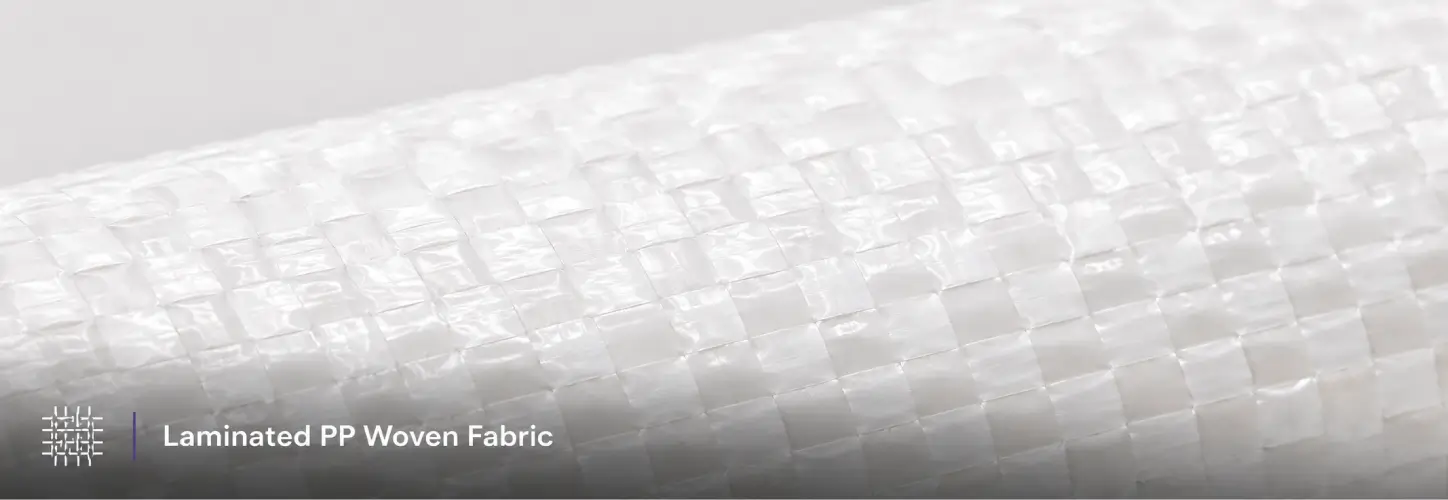
Woven fabric + thin PP film bonded on one/both sides
Moisture resistance
High - near-leak-proof
Best for
Cement, chemicals, fertilizers, liquids-adjacent packing
Print quality
Sharper, glossier print surface
Cost
Slightly higher
Structure
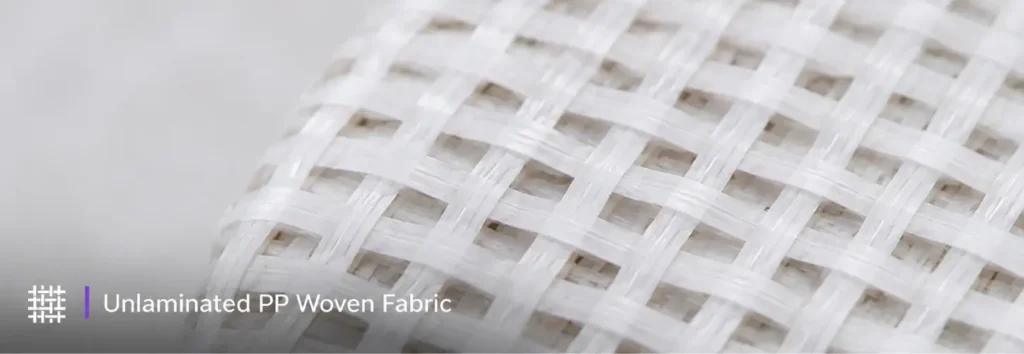
Raw woven mesh, no coating
Moisture resistance
Moderate - breathable, allows some air/moisture through
Best for
Grain, vegetables, textiles - anything needing breathability
Print quality
Print possible but less crisp
Cost
Lower
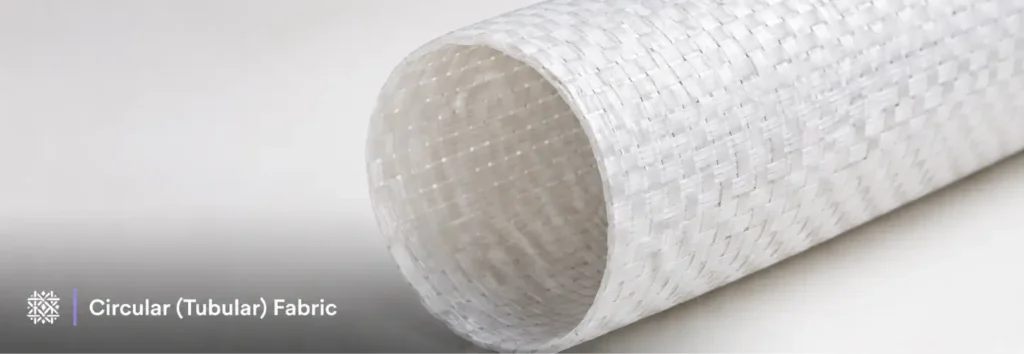
Circular Fabric is woven as a seamless tube on circular looms – ideal for small sacks and bags where the tube is simply cut and stitched at the ends, reducing seam points and leak risk.
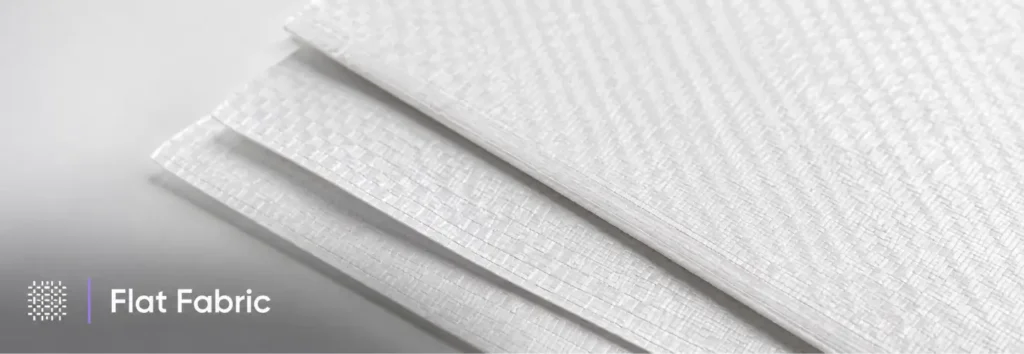
Flat Fabric is woven as open sheeting and is typically used for tarpaulins, ground covers, and applications requiring a wide, unseamed surface.

PP Woven Fabric GSM Guide - Which Weight Do You Need?

GSM (grams per square meter) is the single biggest factor in choosing the right PP woven fabric – it directly determines strength, cost, and suitable application.
GSM RangeTypical StrengthCommon Applications
50–70 GSMLight-dutySmall sacks, promotional bags, light grain packing
70–100 GSMMedium-dutyCement bags, fertilizer bags, general industrial packing
100–120 GSMHeavy-dutyTarpaulin covers, ground covers, silt fencing
120–140 GSMExtra heavy-dutyFIBC/jumbo bag components, high-load industrial applications
Rule of thumb: as GSM increases, fabric weight, strength, and cost all increase together. Choose the lowest GSM that safely meets your load and durability requirement – over-specifying adds unnecessary cost per roll.

Applications & Industries We Serve

Purple gift box with a bow and wrapped ribbon (illustration).

FIBC (Jumbo Bags)

Base fabric for bulk bag manufacturing

Illustration of a grain sack with a leafy plant design and grains spilling from the bottom.

Fertilizers

Moisture-resistant sacks for granular and powdered fertilizer
Blue line drawing of a backpack with straps and a tied closure, in an outline style.

Cement

Laminated fabric for leak-proof, high-load cement bags

Purple line drawing of a money bag with a tied knot at the top, representing wealth or savings (icon style)

Small Sacks

Grain, sugar, and general commodity packing
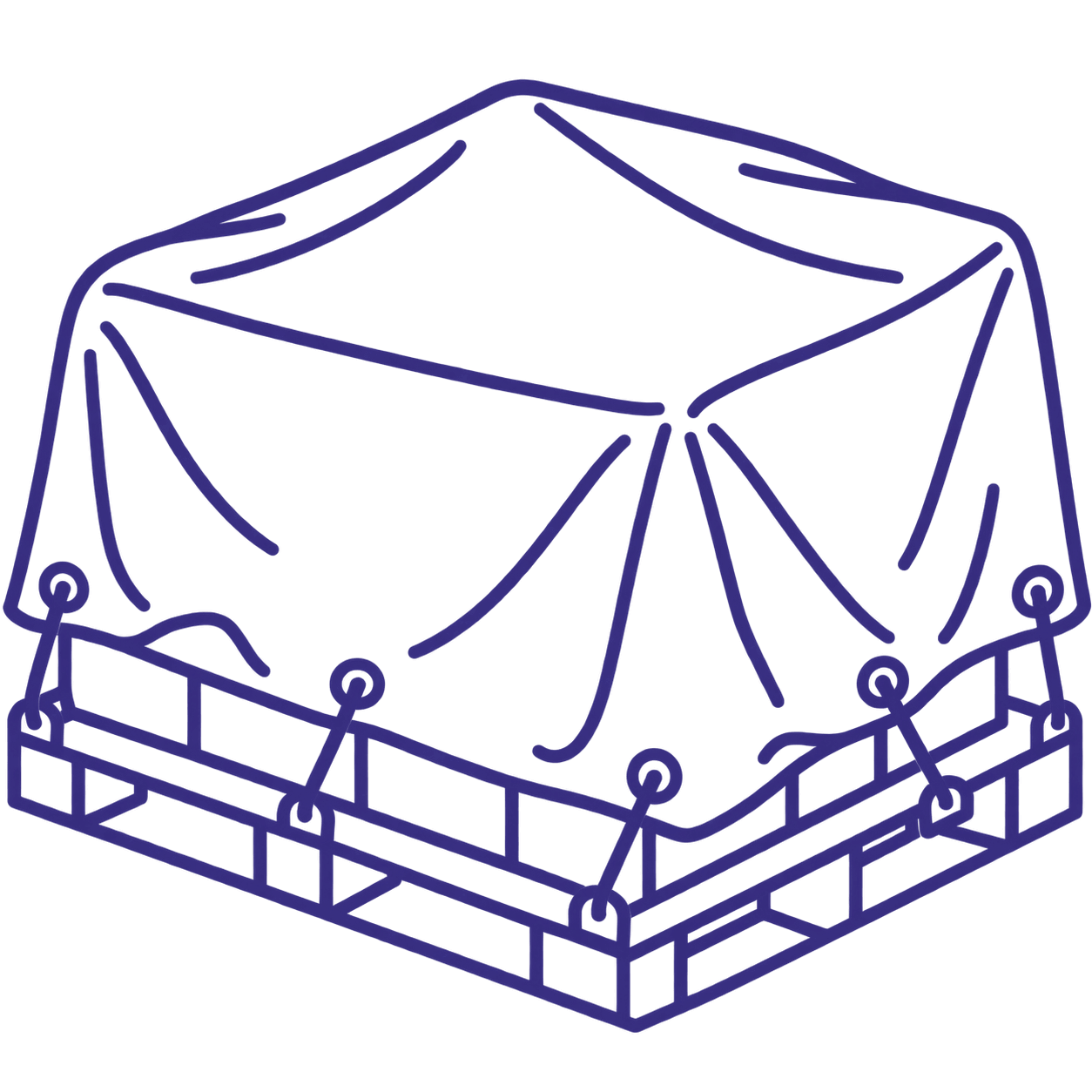
Isometric line drawing of a four-poster canopy bed with draped curtains.

Tarpaulin Covers

UV-stabilized fabric for outdoor equipment and cargo covers
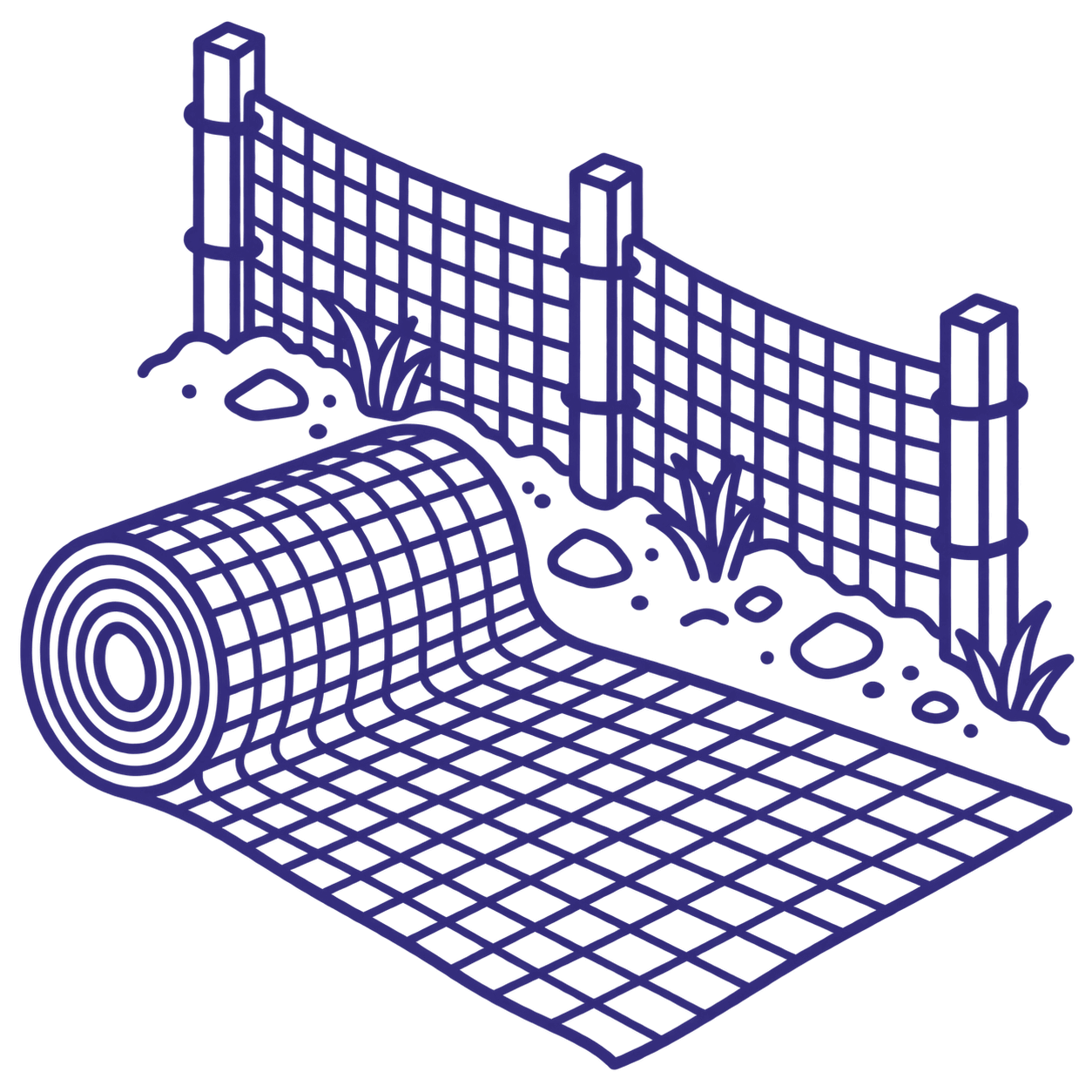
Blue line drawing of a rolled yoga mat partially unrolled on the ground beside a fence and small plants.

PP Woven Silt Fence & Ground Cover

Construction-grade erosion control and landscaping fabric
Blue line drawing of a rolled yoga mat partially unrolled on the ground beside a fence and small plants.

PP Woven Silt Fence & Ground Cover

Construction-grade erosion control and landscaping fabric

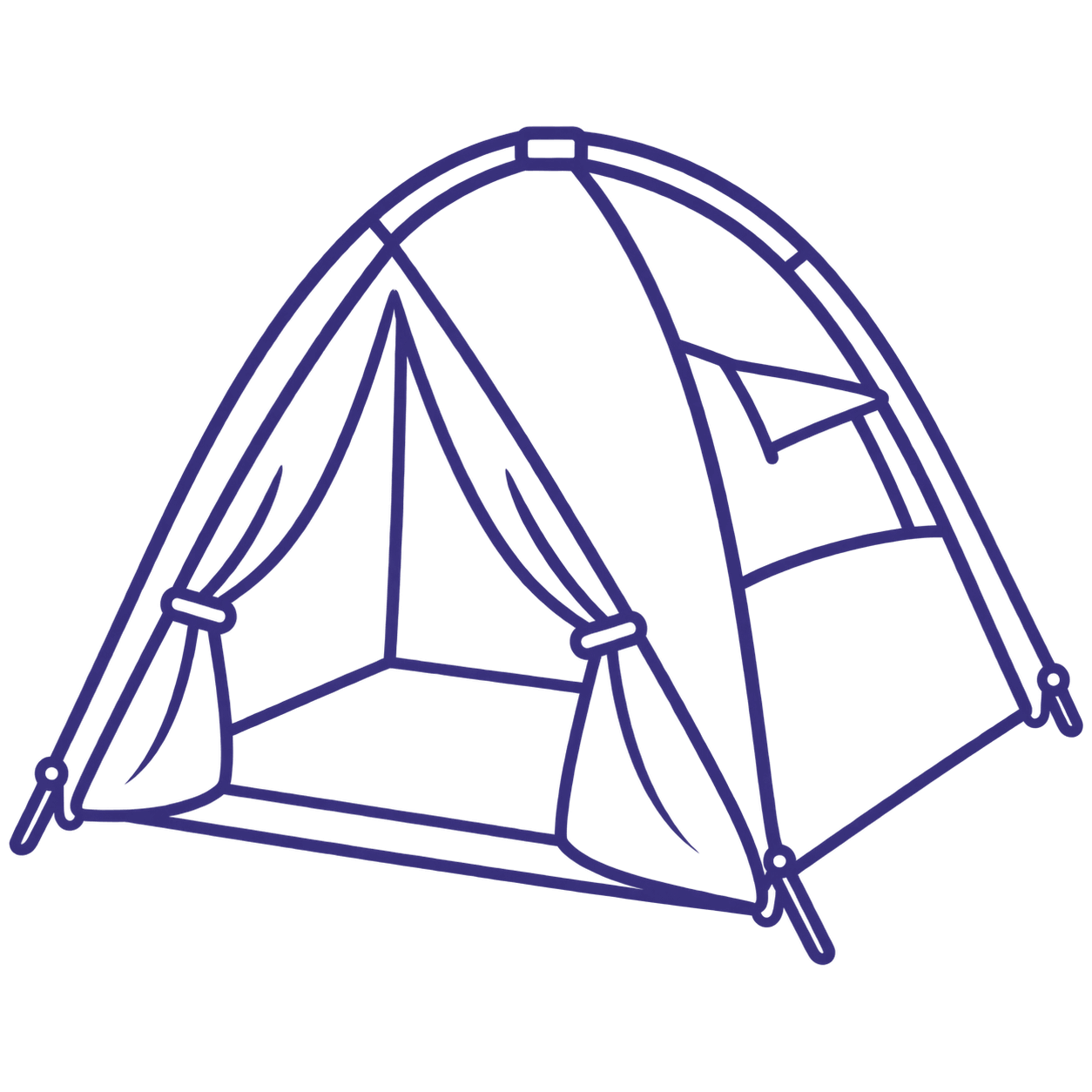
Line drawing of a pitched camping tent with guy lines and pegs.

Tents & Shelters

Lightweight, weather-resistant structural fabric
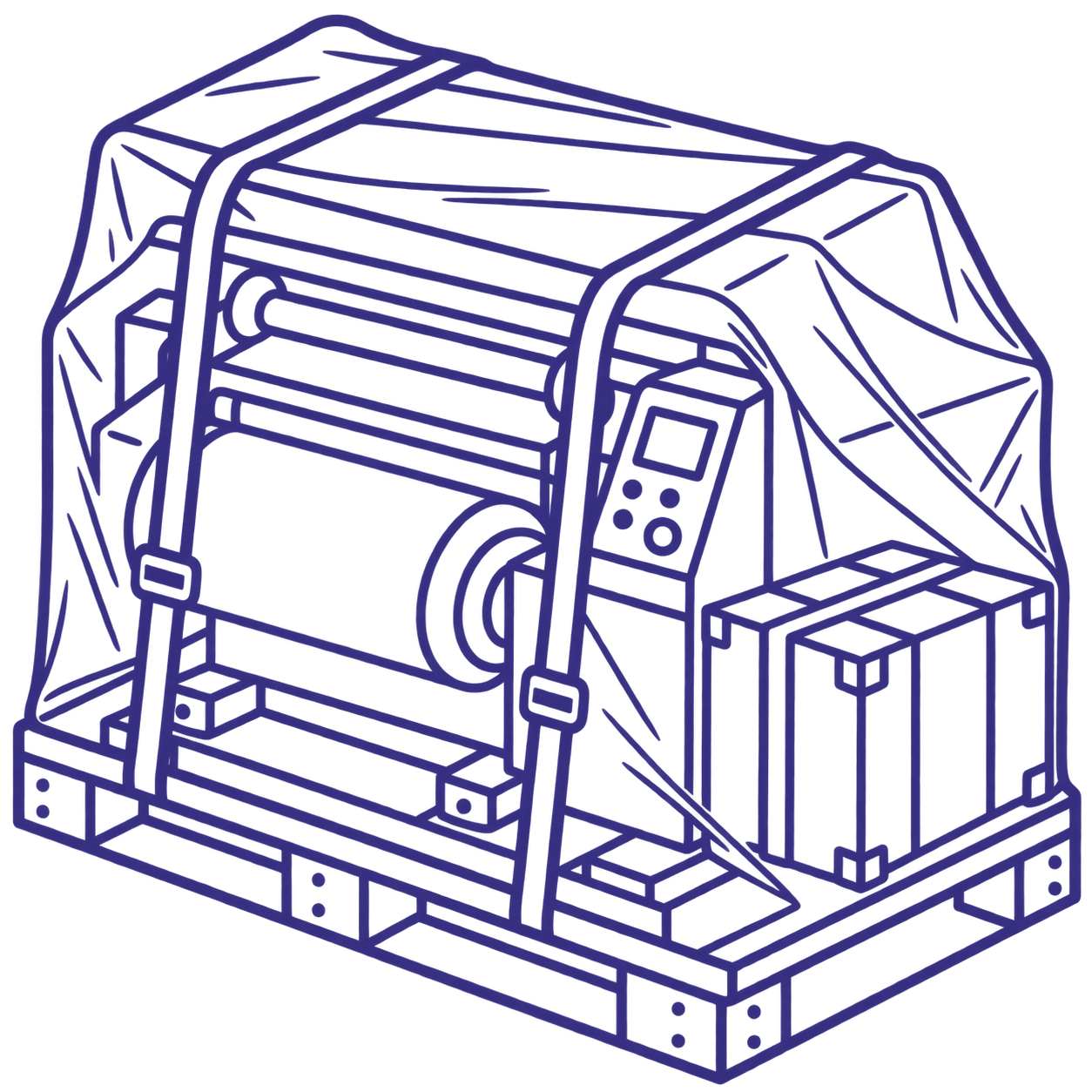
Textiles & Machinery Packing

Protective wrapping and covers

Food Grain Packing

Food-safe unlaminated fabric for grain storage and transport
Why Choose Aeroflex Neu as Your PP Woven Fabric Manufacturer

PP Woven Fabric vs. PP Non-Woven Fabric - What's the Difference?

FeaturePP Woven FabricPP Non-Woven Fabric
How it's madePolypropylene tapes woven on a loomPolypropylene fibers bonded together (spunbond) without weaving
StrengthHigher tensile strength, better for heavy loadsLower strength, better for lightweight/disposable use
Typical useCement/fertilizer bags, FIBC, tarpaulins, ground coverShopping bags, medical drapes, masks, agricultural covers
TextureMesh-like, visible weave patternFelt-like, smooth surface
ReusabilityHighly reusable, durableOften single-use or short-term use

Is PP Woven Fabric Recyclable and Sustainable?

Purple recycling symbol with three arrows forming a triangle on a transparent background.

Yes. PP woven fabric is made from polypropylene, classified as plastic #5, which is widely recyclable. Because PP woven fabric is a single-material (mono-material) product - unlike multi-layer laminated packaging - it's easier to recycle than composite alternatives. Unlaminated PP woven fabric is generally the most straightforward to recycle; laminated variants can also be recycled where facilities accept multi-layer PP.

Frequently Asked Questions

PP woven fabric is primarily used to manufacture woven sacks, FIBC bulk bags, tarpaulins, ground covers, and silt fencing. It's chosen for packaging cement, fertilizers, grains, and other bulk industrial materials because of its tear resistance and low cost.
Cement bags typically use 70–100 GSM laminated PP woven fabric, which balances strength with cost while providing moisture resistance for the bagged material.
Laminated fabric has a thin polypropylene film bonded to the surface for moisture resistance and sharper printing, while unlaminated fabric is a raw, breathable weave - better for products like grain that need airflow.
Laminated PP woven fabric is highly water-resistant, close to waterproof, because the coating seals the weave. Unlaminated fabric resists moisture but is not fully waterproof, since the woven structure has small gaps.
Yes. Aeroflex Neu offers up to six-color flexographic printing on laminated PP woven fabric, up to 70 cm width, for branding and product information.
Circular fabric ranges from 45 cm to 148 cm; flat fabric from 90 cm to 240 cm. Standard packing runs from 1,000 to 3,500 meters per roll, with custom lengths available on request.
Unlaminated, food-grade PP woven fabric is commonly used for grain and agricultural product packing. For food-contact applications, request food-grade certification confirmation with your order.
Match GSM to load and durability needs: 50–70 GSM for light packaging, 70–100 GSM for standard industrial bags, 100–120 GSM for tarpaulins and ground covers, and 120–140 GSM for heavy-duty applications like FIBC components. See the GSM guide above for a full breakdown.

Get In touch

Tell us your GSM, width, color, and quantity requirement – our team responds with a quote within 24 hours.
Address : E- 260-261, Mewar Industrial Area, Opp. UCCI, Madri, Udaipur – 313003,