
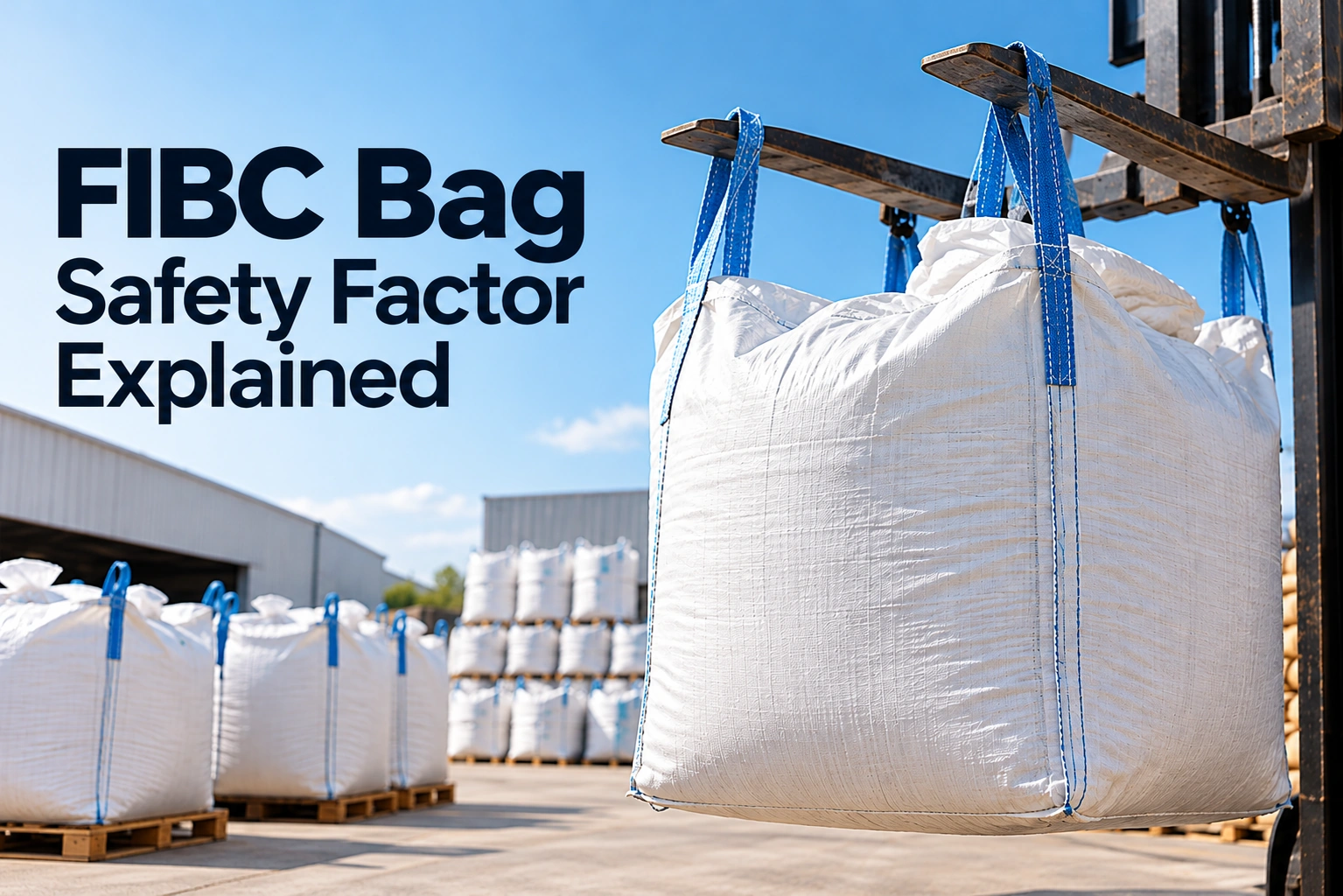
FIBC bags, also known as bulk bags, jumbo bags or big bags, are engineered for the storage and movement of dry, flowable materials. For procurement …
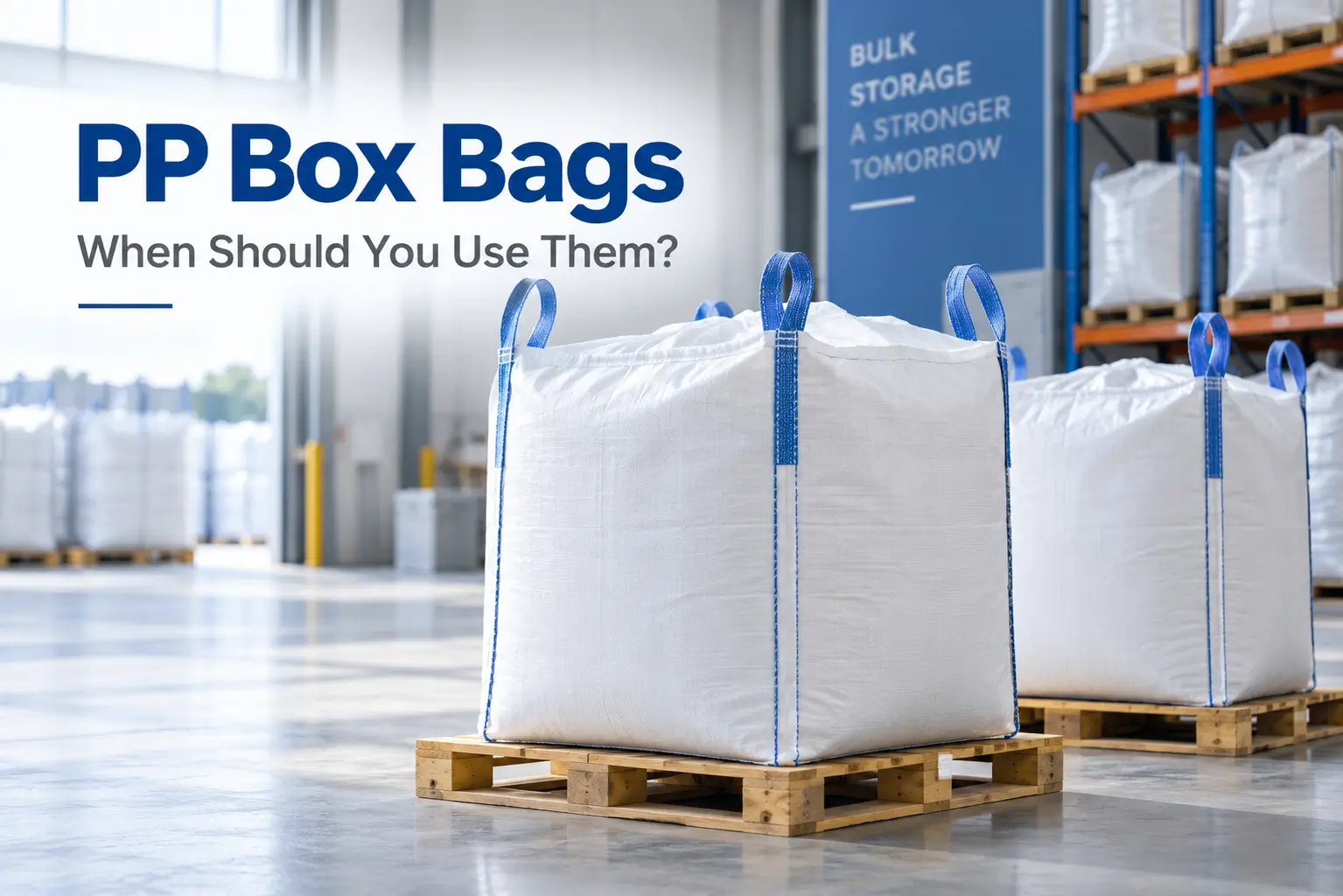
Quick answer: PP Box Bags (also called HDPE Box Bags) are heavy-duty woven sacks built with a flat, reinforced base that lets them stand upright …
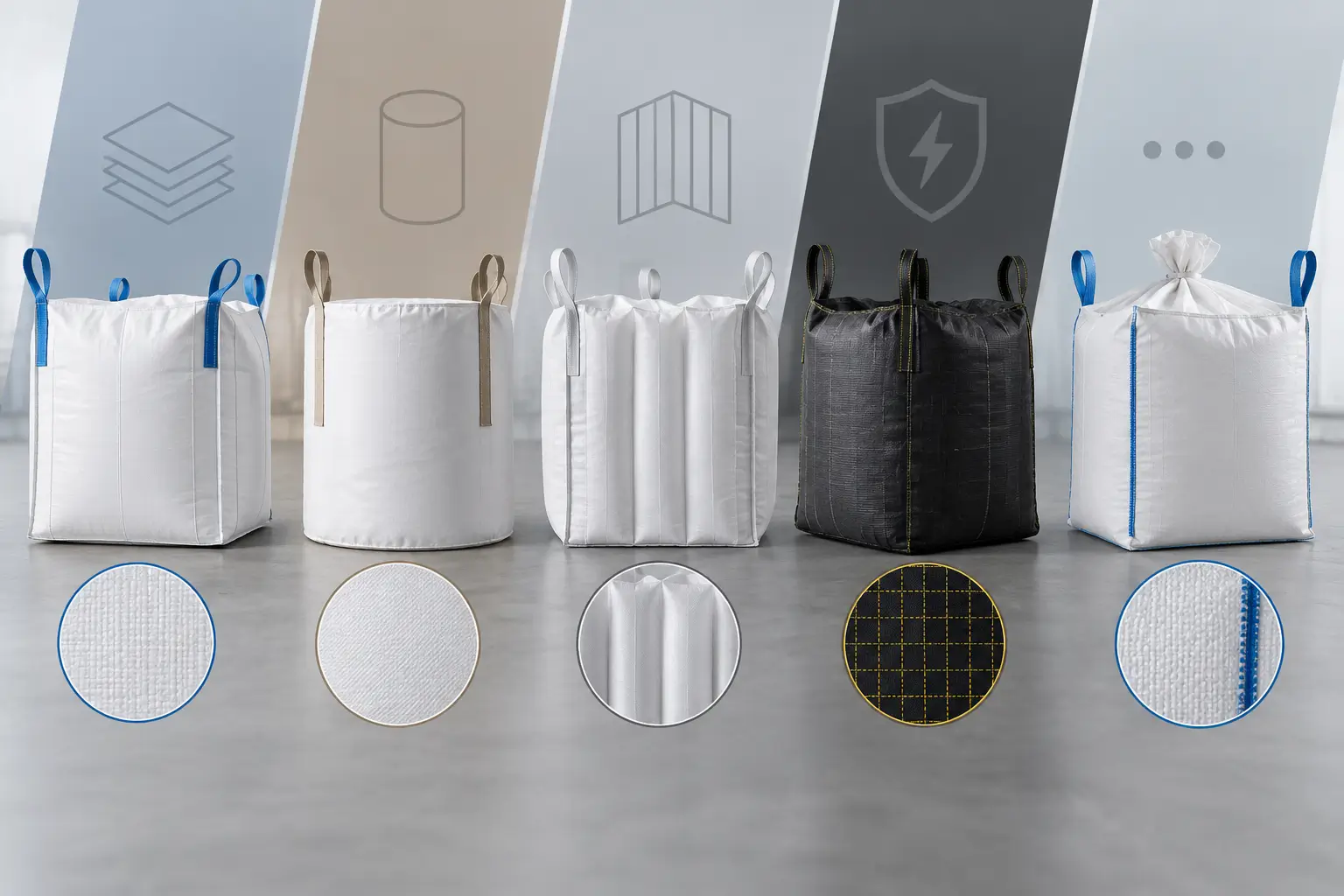
Quick answer: FIBC (Flexible Intermediate Bulk Container) bags come in several construction types, each suited to different products and handling needs. Panel bags are made …
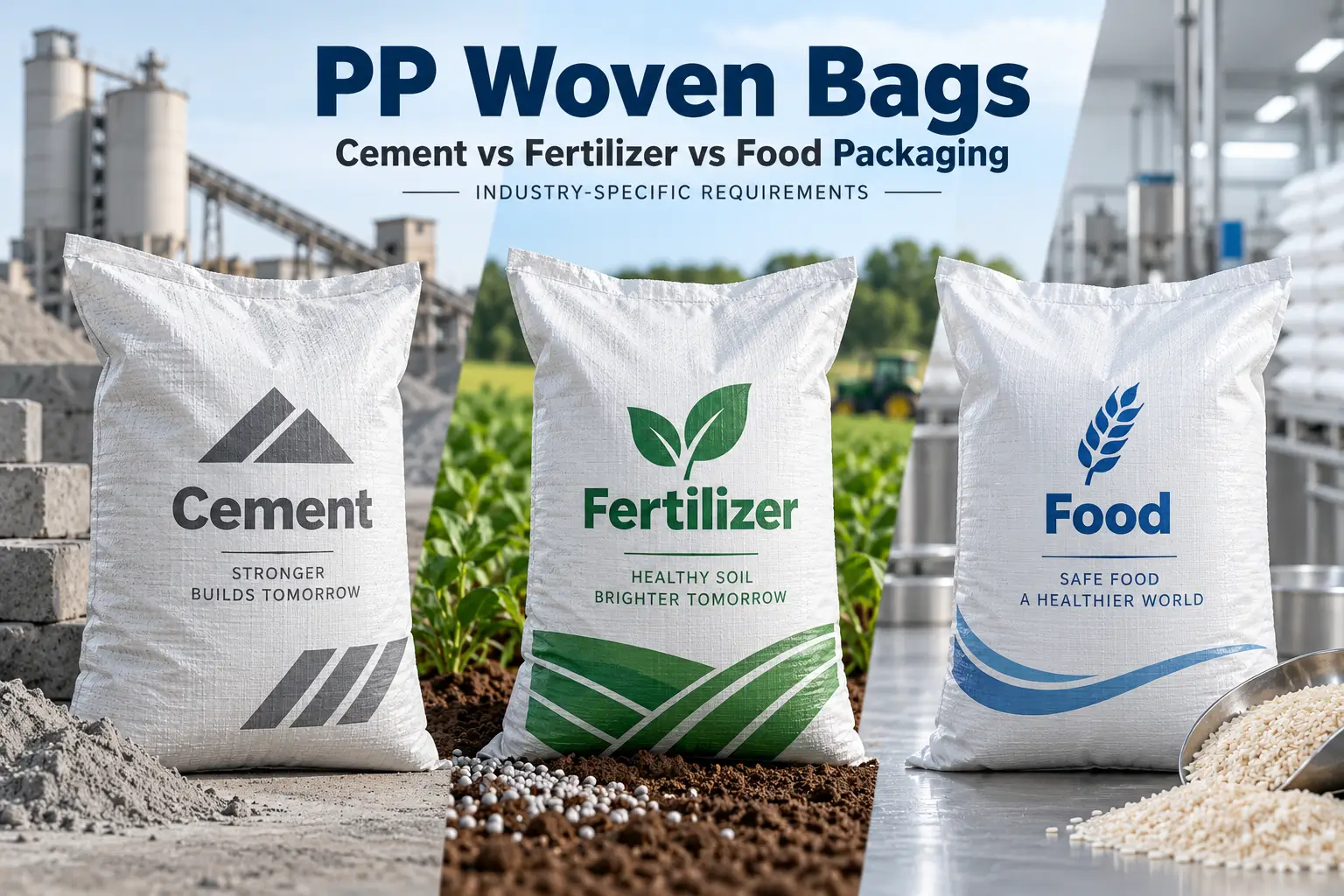
Quick answer: PP woven bags are used across cement, fertilizer, and food packaging, but each industry needs a different specification. Cement bags typically use 90–110 …
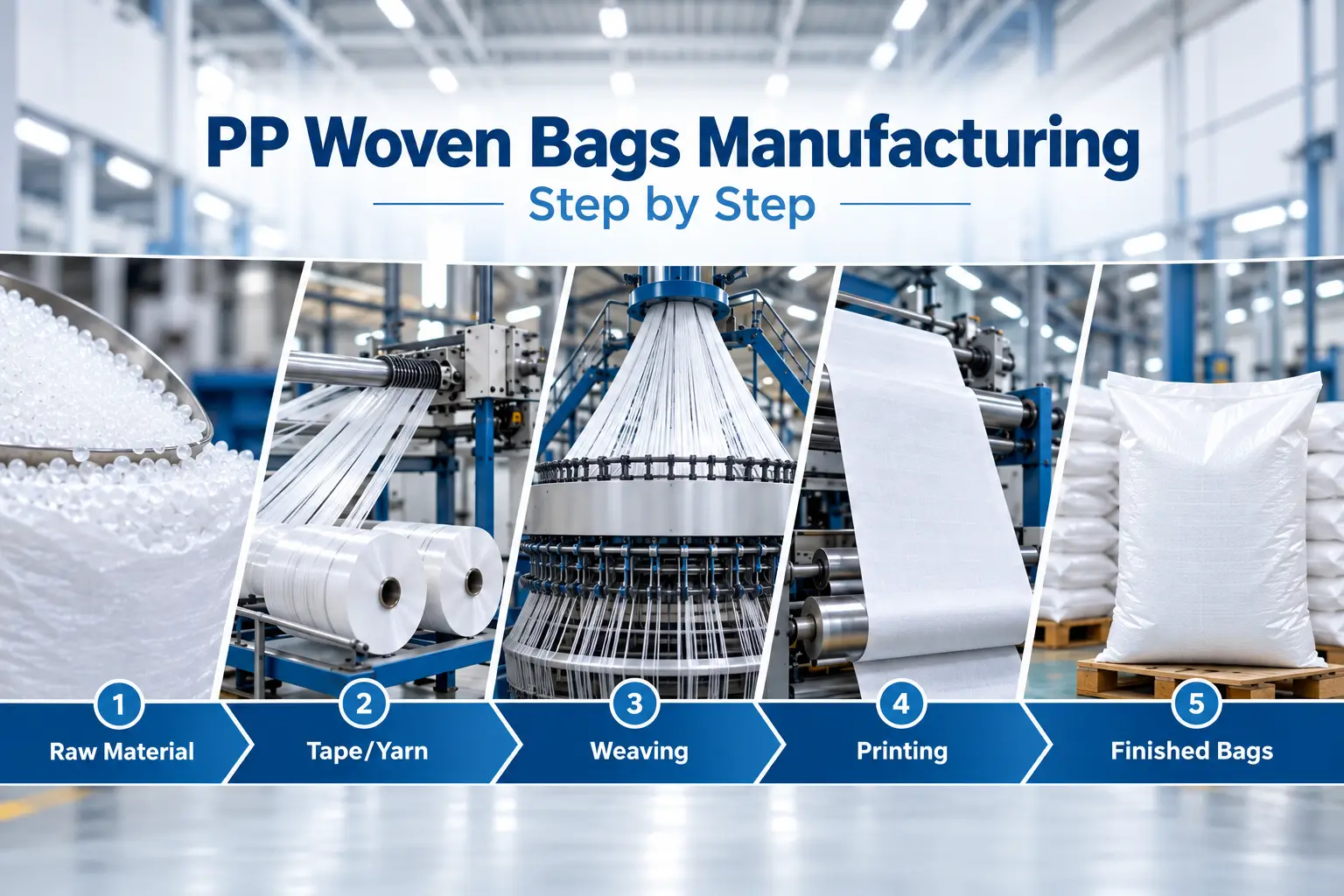
Quick answer: PP woven bags are made through five main stages: extrusion (melting polypropylene granules into tape yarn), weaving (interlacing the tape yarn into fabric …
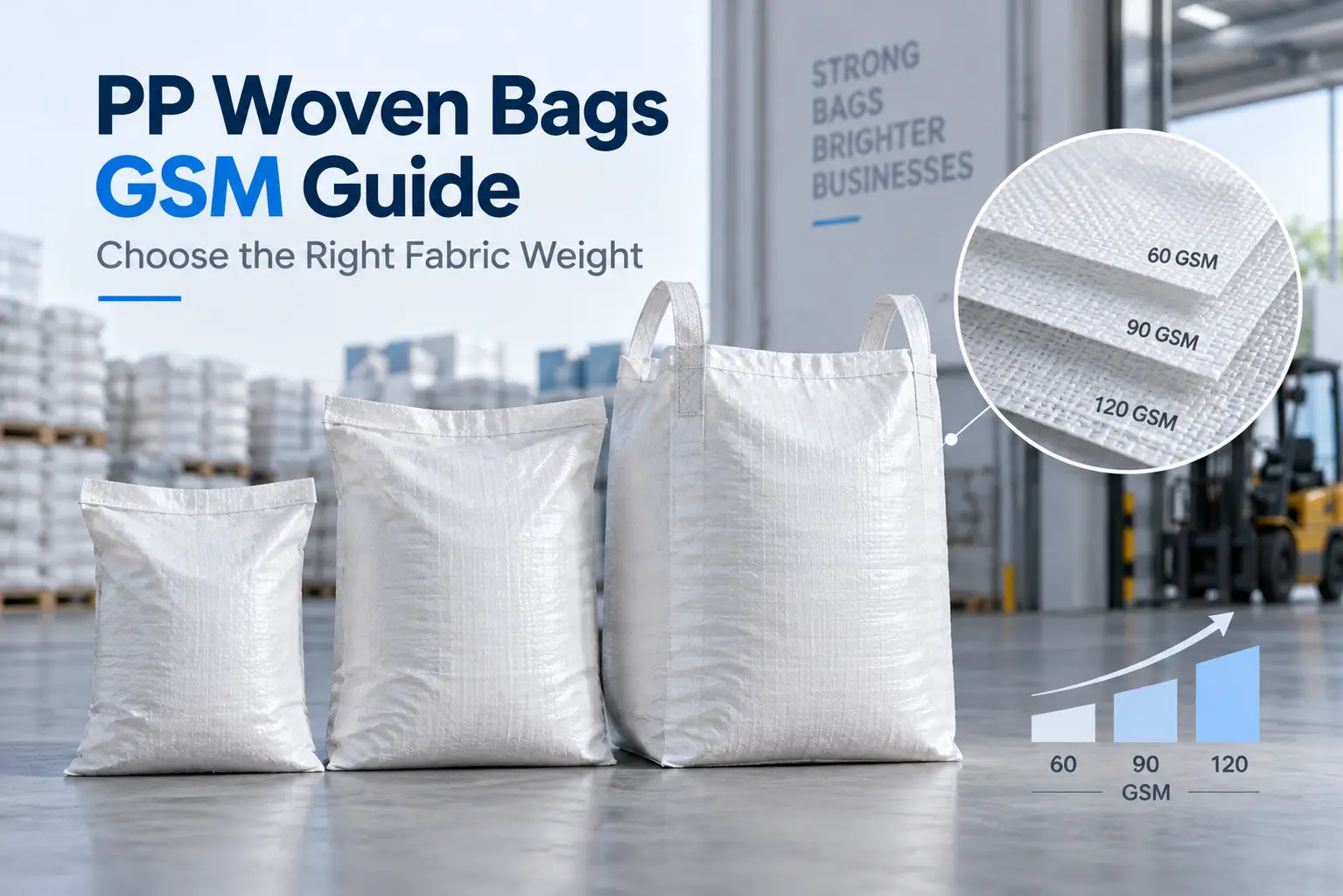
Quick answer: GSM (grams per square meter) measures how heavy and dense a PP woven fabric is. Lighter bags (60–80 GSM) suit low-weight, single-use packaging …