
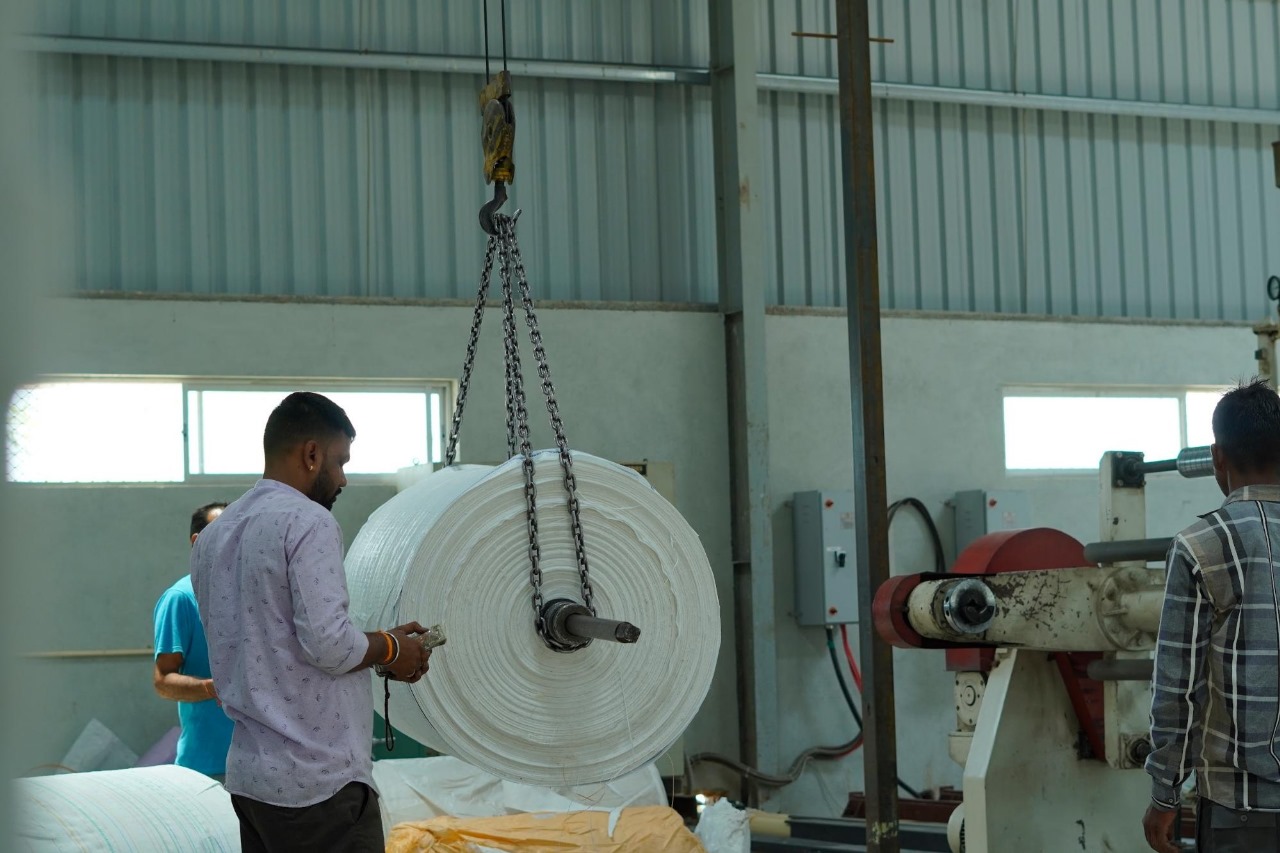

Polypropylene granules are melted and extruded into thin film, then slit into narrow tapes.

Tapes are drawn (stretched) to align the polymer molecules, which increases tensile strength.

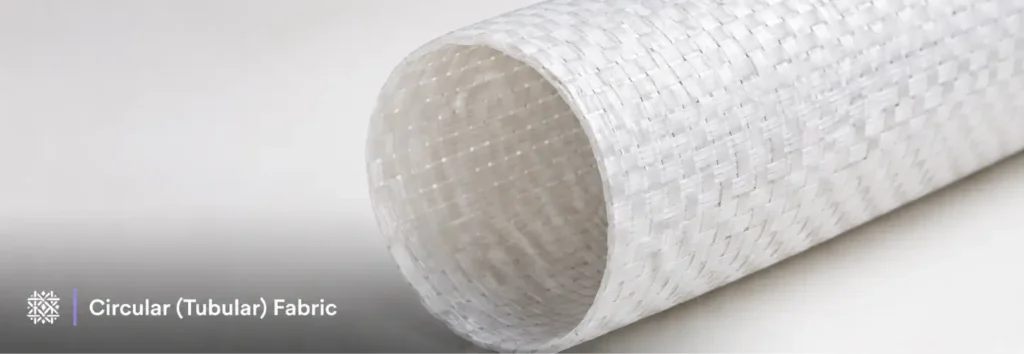
Tapes are woven on circular or flat looms into fabric of the required width and density.
Polypropylene granules are melted and extruded into thin film, then slit into narrow tapes.
Tapes are drawn (stretched) to align the polymer molecules, which increases tensile strength.
Tapes are woven on circular or flat looms into fabric of the required width and density.

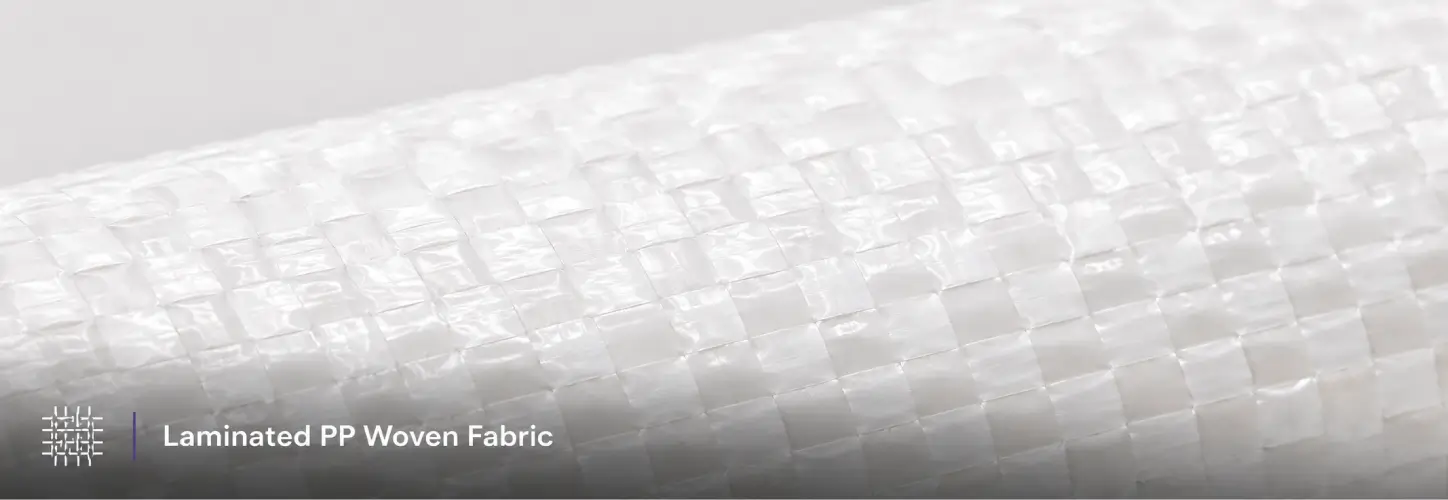
A thin PP film is heat-bonded to one or both sides for moisture-proofing and print quality.
A thin PP film is heat-bonded to one or both sides for moisture-proofing and print quality.

Up to six-color flexographic printing is applied for branding.

Each roll is checked for GSM consistency, tensile strength, and weave uniformity before dispatch.
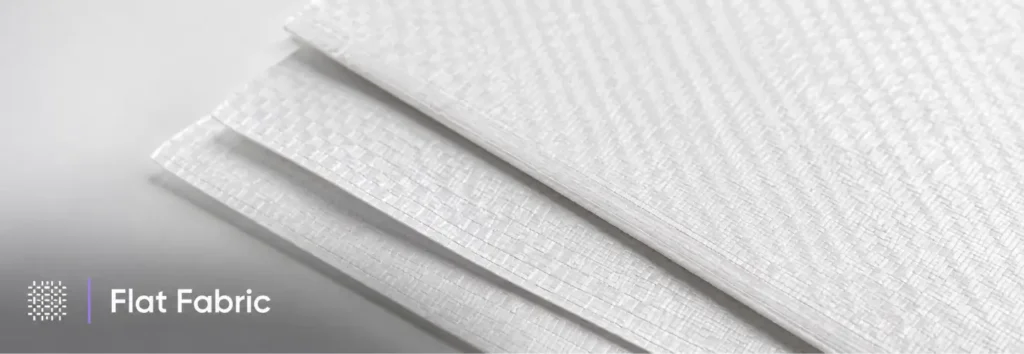
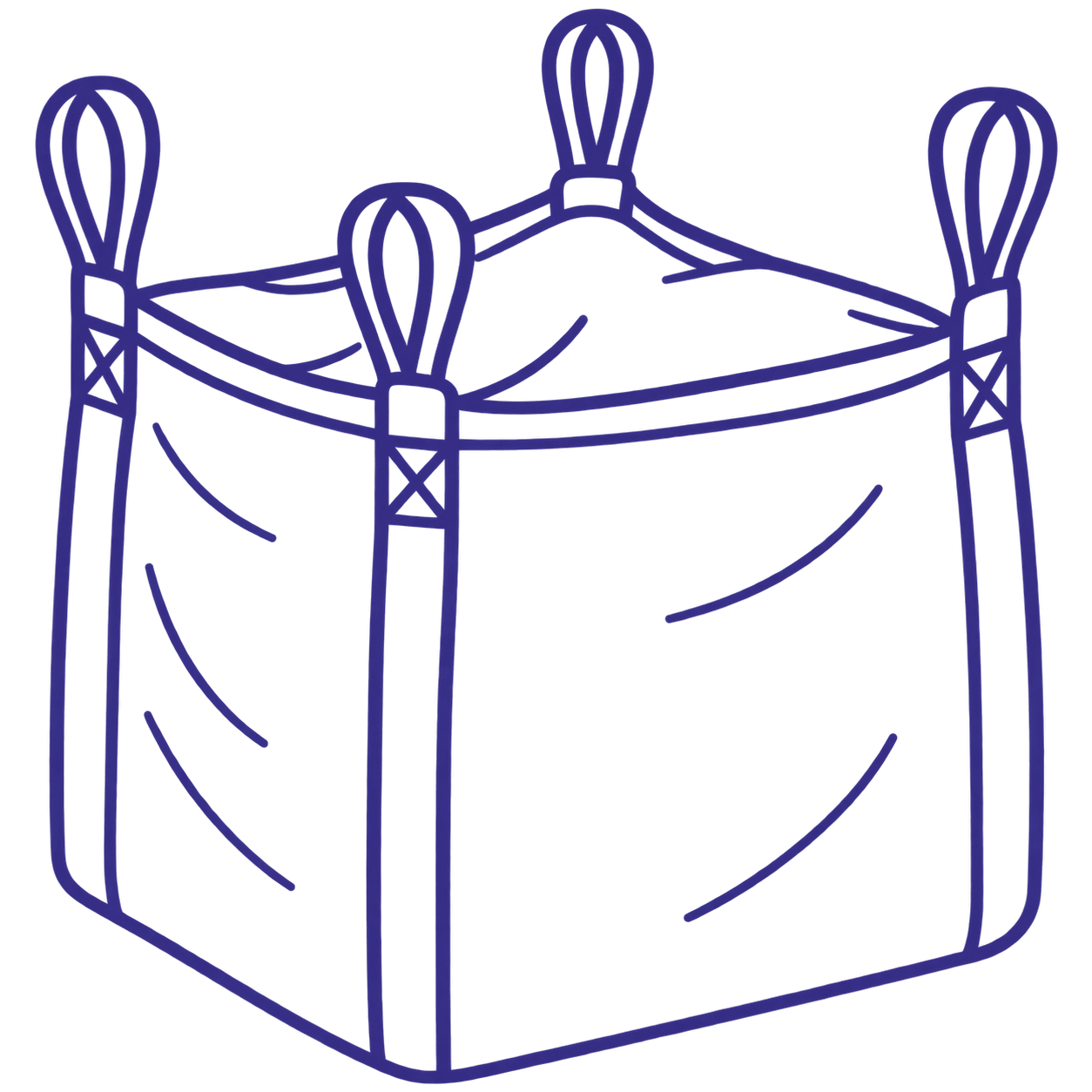
Base fabric for bulk bag manufacturing
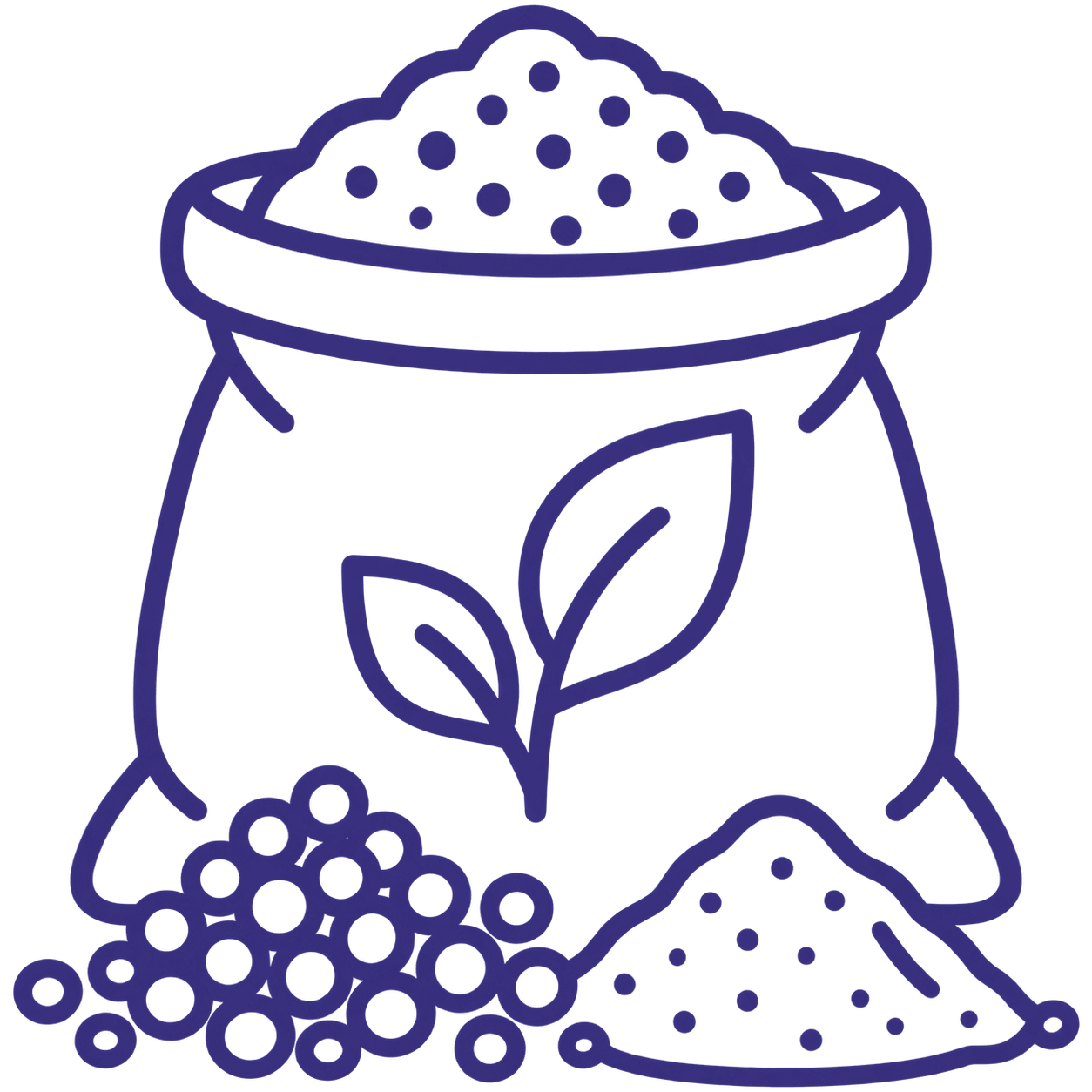
Moisture-resistant sacks for granular and powdered fertilizer
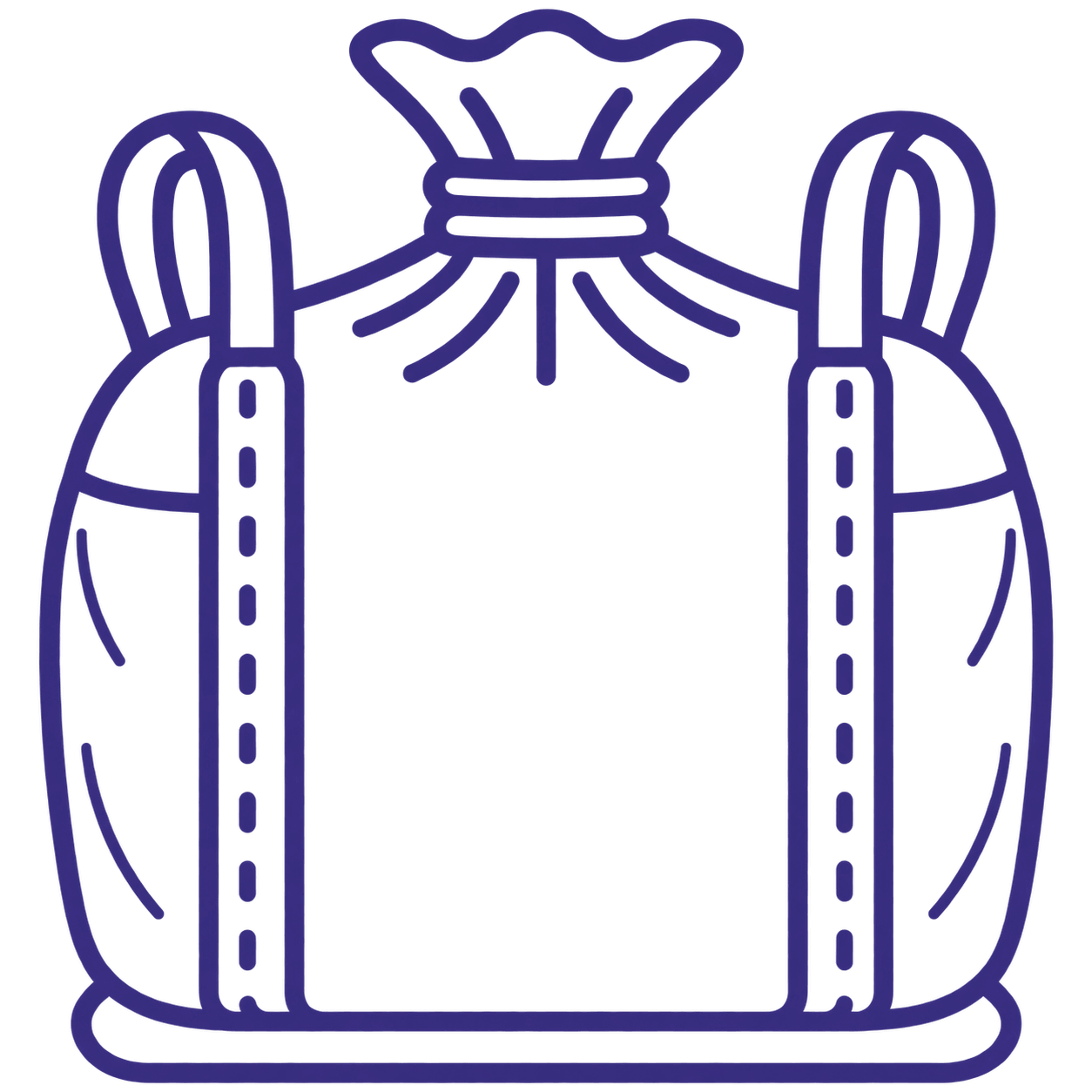
Laminated fabric for leak-proof, high-load cement bags
Grain, sugar, and general commodity packing

UV-stabilized fabric for outdoor equipment and cargo covers
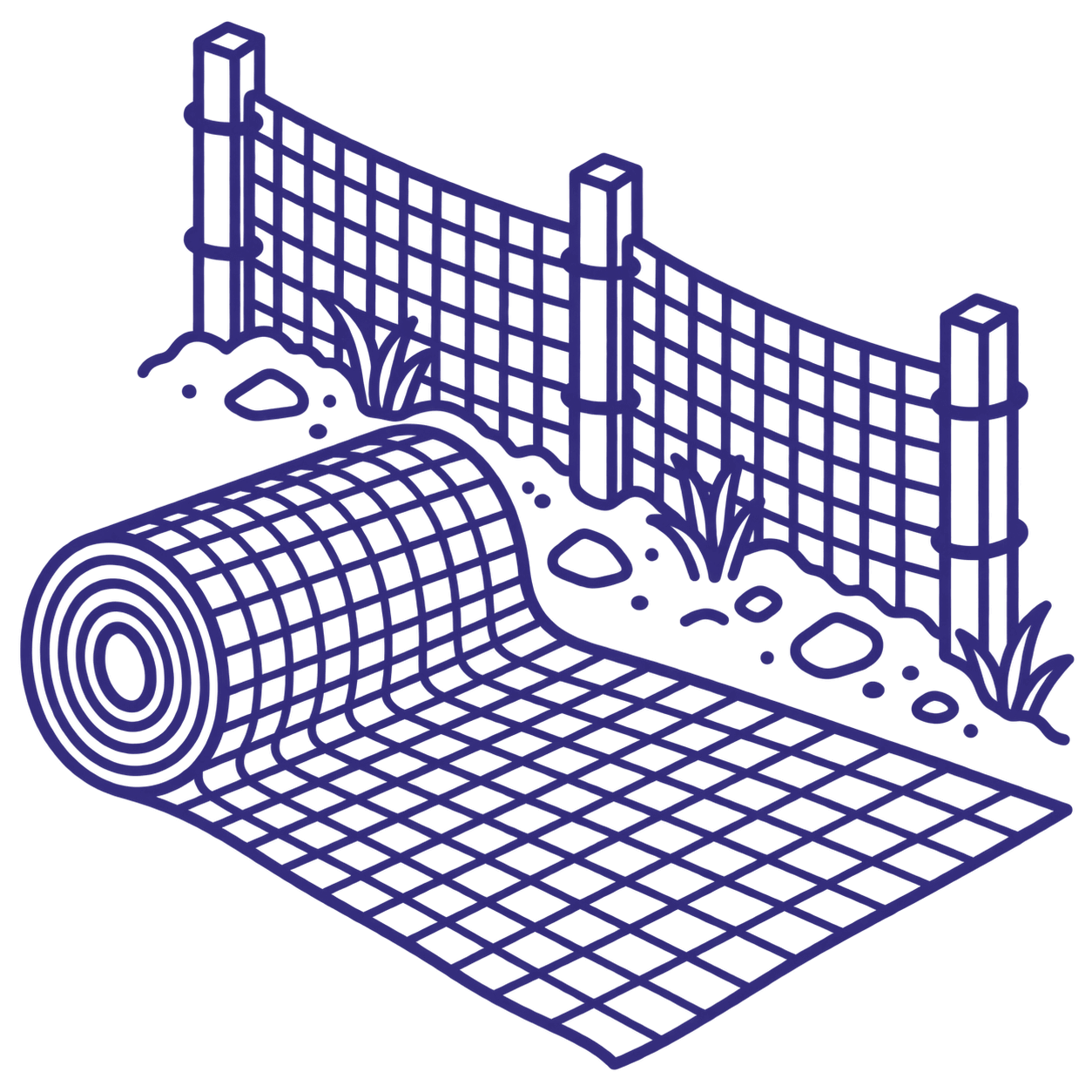
Construction-grade erosion control and landscaping fabric
Construction-grade erosion control and landscaping fabric

Lightweight, weather-resistant structural fabric
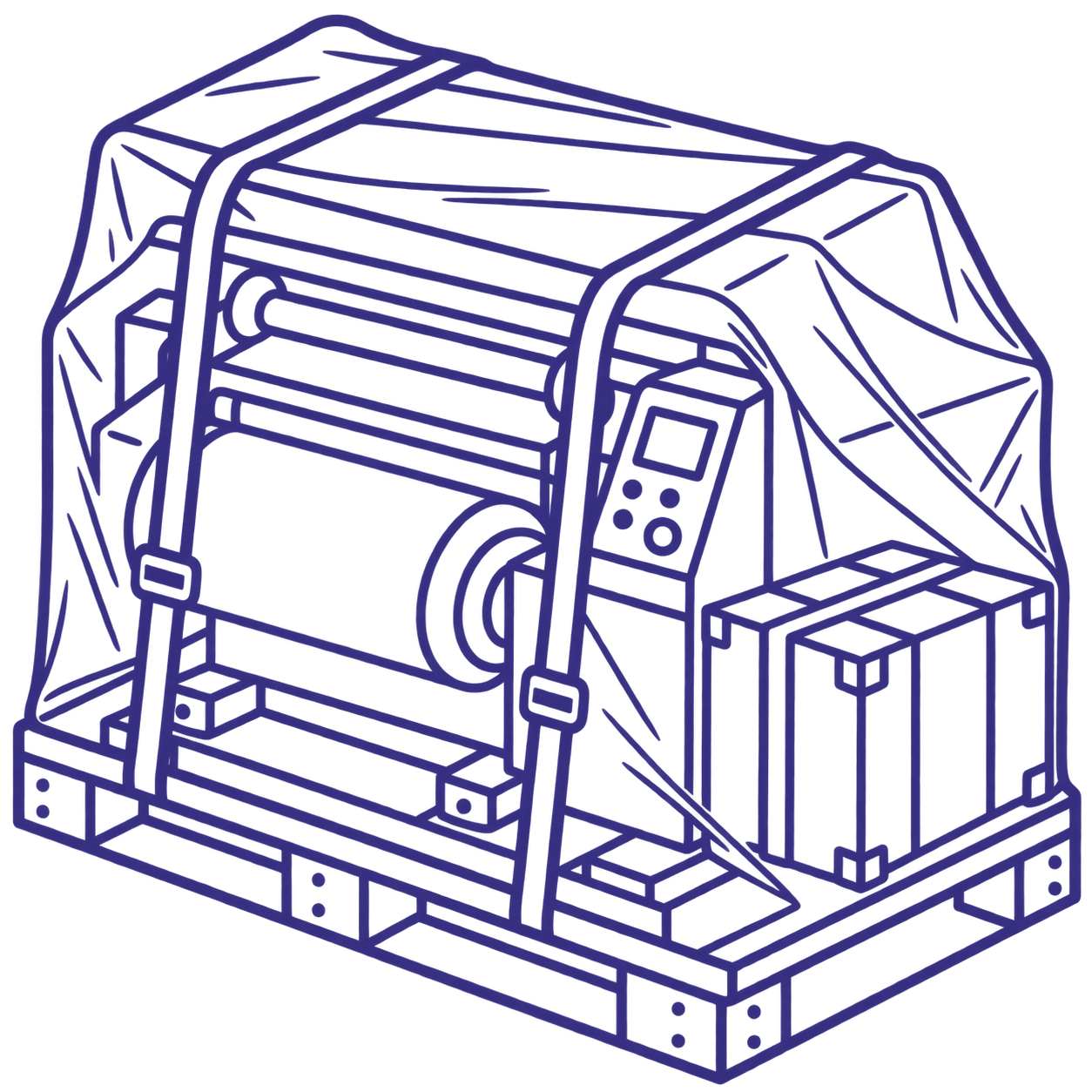
Protective wrapping and covers
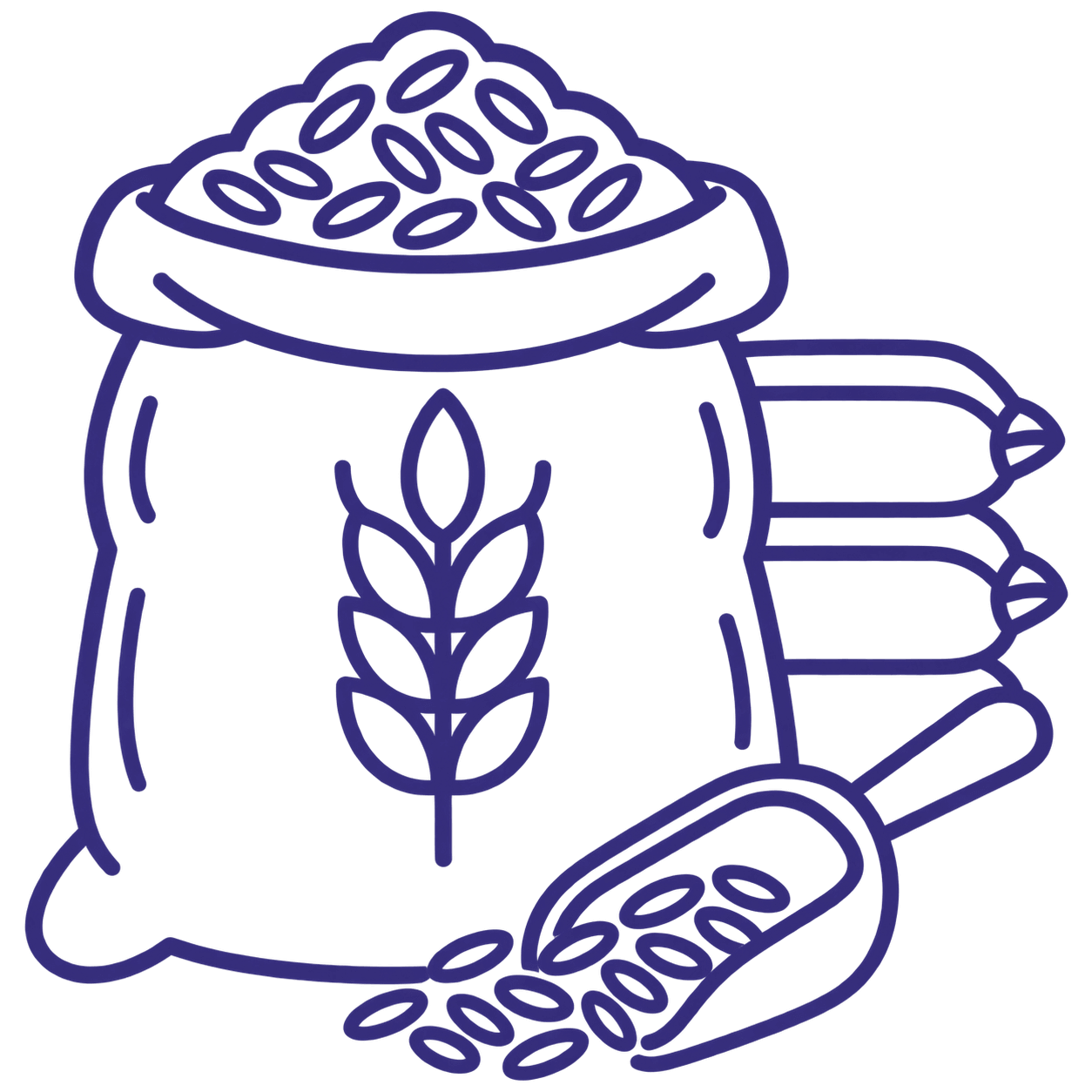
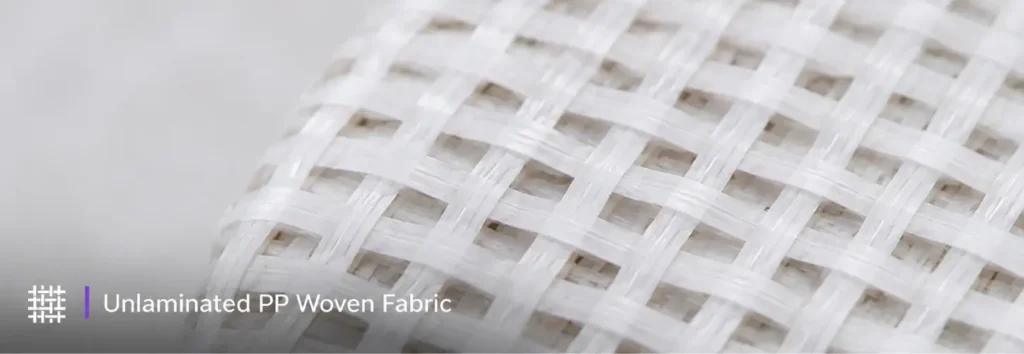
Food-safe unlaminated fabric for grain storage and transport
Yes. PP woven fabric is made from polypropylene, classified as plastic #5, which is widely recyclable. Because PP woven fabric is a single-material (mono-material) product - unlike multi-layer laminated packaging - it's easier to recycle than composite alternatives. Unlaminated PP woven fabric is generally the most straightforward to recycle; laminated variants can also be recycled where facilities accept multi-layer PP.