Table of Contents
ToggleWhy Woven Fabric Manufacturers Are Shaping the Future of Industrial Packaging
Woven fabric manufacturers are at the centre of one of India’s most strategically important industrial sectors. From agriculture and construction to food processing and global exports, polypropylene (PP) woven fabric is the foundational material behind billions of bulk packaging units produced and shipped every year.
In 2026, the global woven fabric market is valued at an estimated US$121–200 billion, with woven fabrics accounting for approximately 66.5% of the global textile market — a commanding majority that reflects just how deeply interwoven this material is with modern industry. For Indian manufacturers and exporters specifically, PP woven fabric is not merely a packaging input — it is a competitive advantage that enables cost-effective, durable, and sustainable supply chains at scale.
At Aeroflex Neu, we manufacture premium-grade PP woven fabric and finished woven bag solutions for clients across India and international markets. This guide covers everything decision-makers, procurement professionals, and industry buyers need to know about woven fabric manufacturing in 2026 — from technical innovations to pricing, sustainability, and how to choose the right supplier.
What Is PP Woven Fabric and How Is It Made?
Woven fabric manufacturers produce PP woven fabric by extruding polypropylene resin into flat tapes or yarn, which are then interlaced on circular or flat looms to create a durable woven structure. The result is a fabric with outstanding tensile strength, low weight, and excellent resistance to moisture, chemicals, and UV degradation.
The two primary fabric forms are:
- Circular woven fabric — produced in tubular form, used for PP woven bags and BOPP woven bags in circular construction
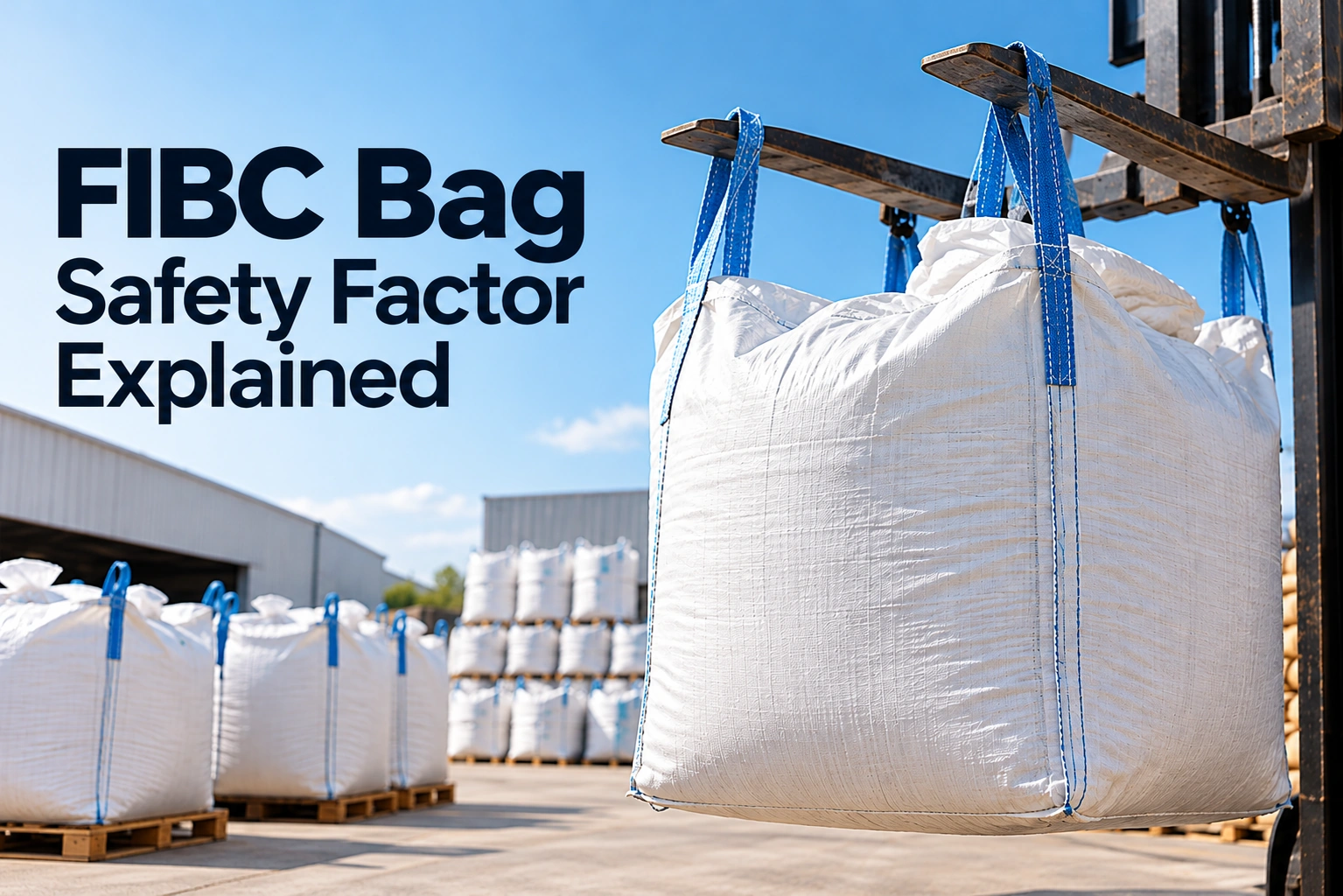
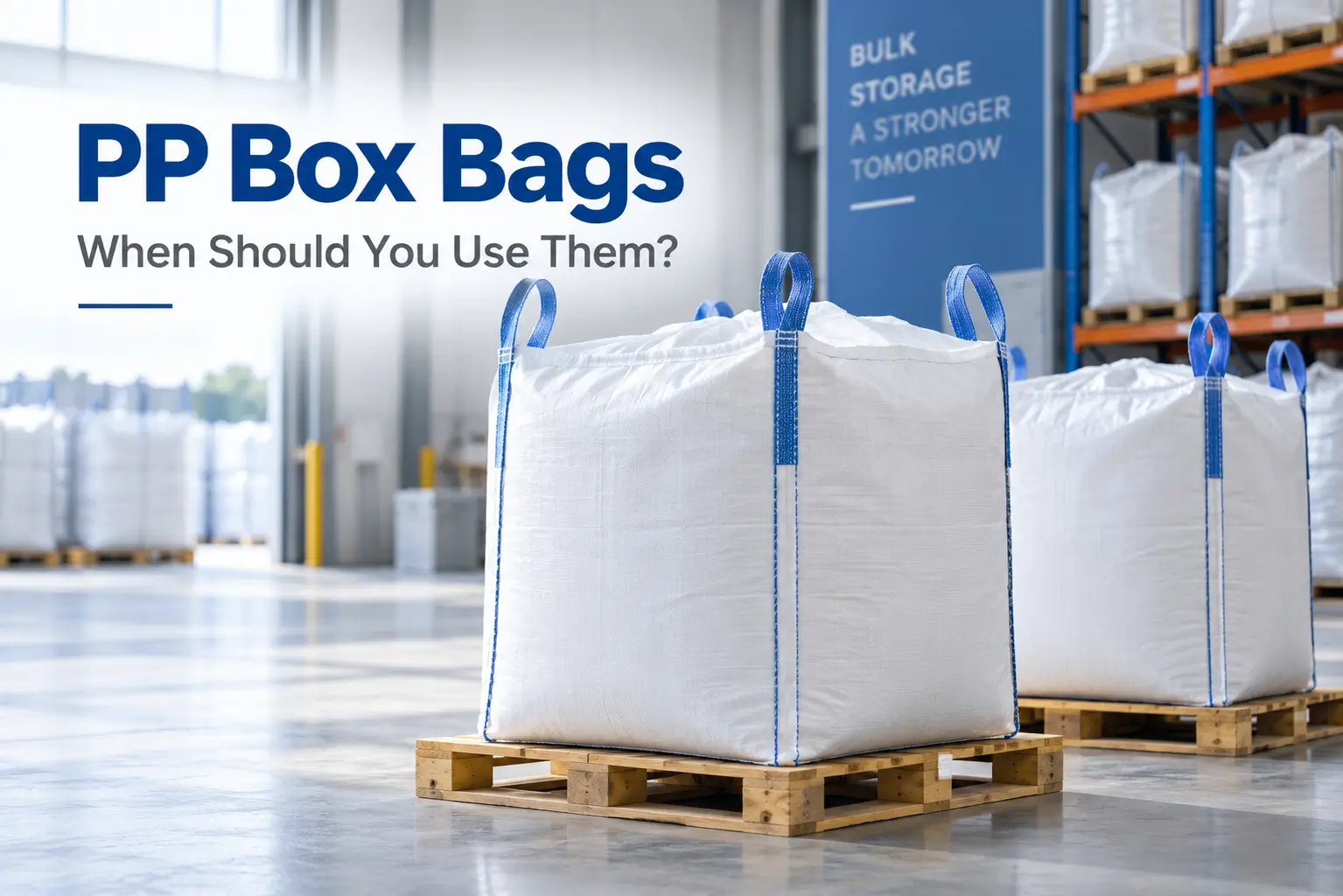
- Flat woven fabric — produced in flat sheet form, used for BOPP woven bags with back seam construction and PP woven jumbo (FIBC) bags
Key performance variables that woven fabric manufacturers control include GSM (grams per square metre), denier of the tape, weave density (mesh count), and the presence or absence of UV stabilisers, lamination coatings, or liner attachments.
Why Is India a Global Hub for Woven Fabric Manufacturers in 2026?
Woven fabric manufacturers in India benefit from a powerful combination of raw material access, skilled manufacturing infrastructure, competitive labour costs, and well-established export logistics. India has built a reputation as one of the most reliable and cost-effective sources of PP woven fabric and finished woven packaging products globally.
Several regional clusters drive India’s woven fabric manufacturing strength:
- Gujarat (Surat, Ahmedabad, Rajkot) — India’s dominant hub for PP woven fabric production, with high concentration of circular loom facilities and polymer raw material supply chains
- Maharashtra (Mumbai, Pune, Nagpur) — strong industrial demand from food processing, chemicals, and FMCG sectors drives robust local production
- Tamil Nadu (Chennai, Coimbatore, Erode) — significant weaving heritage and technical infrastructure support both woven textile and technical packaging fabric production
- Rajasthan (Bhilwara, Jaipur) — major centre for polyester and synthetic woven fabrics
India has emerged as a global hub for PP woven bags manufacturing, supported by advanced production facilities, skilled labour, and strong export capabilities — with Indian manufacturers supplying woven polypropylene products not only to domestic markets but to international buyers across Asia, Africa, Europe, and the Middle East.
This export reach is backed by competitive pricing. Indian woven fabric is priced 25–40% below comparable quality products from Western European or East Asian manufacturers, making Indian suppliers a first-choice source for global procurement teams.
What Are the Key Innovations Driving Woven Fabric Manufacturers Forward in 2026?
Advanced Printing and High-Definition Branding
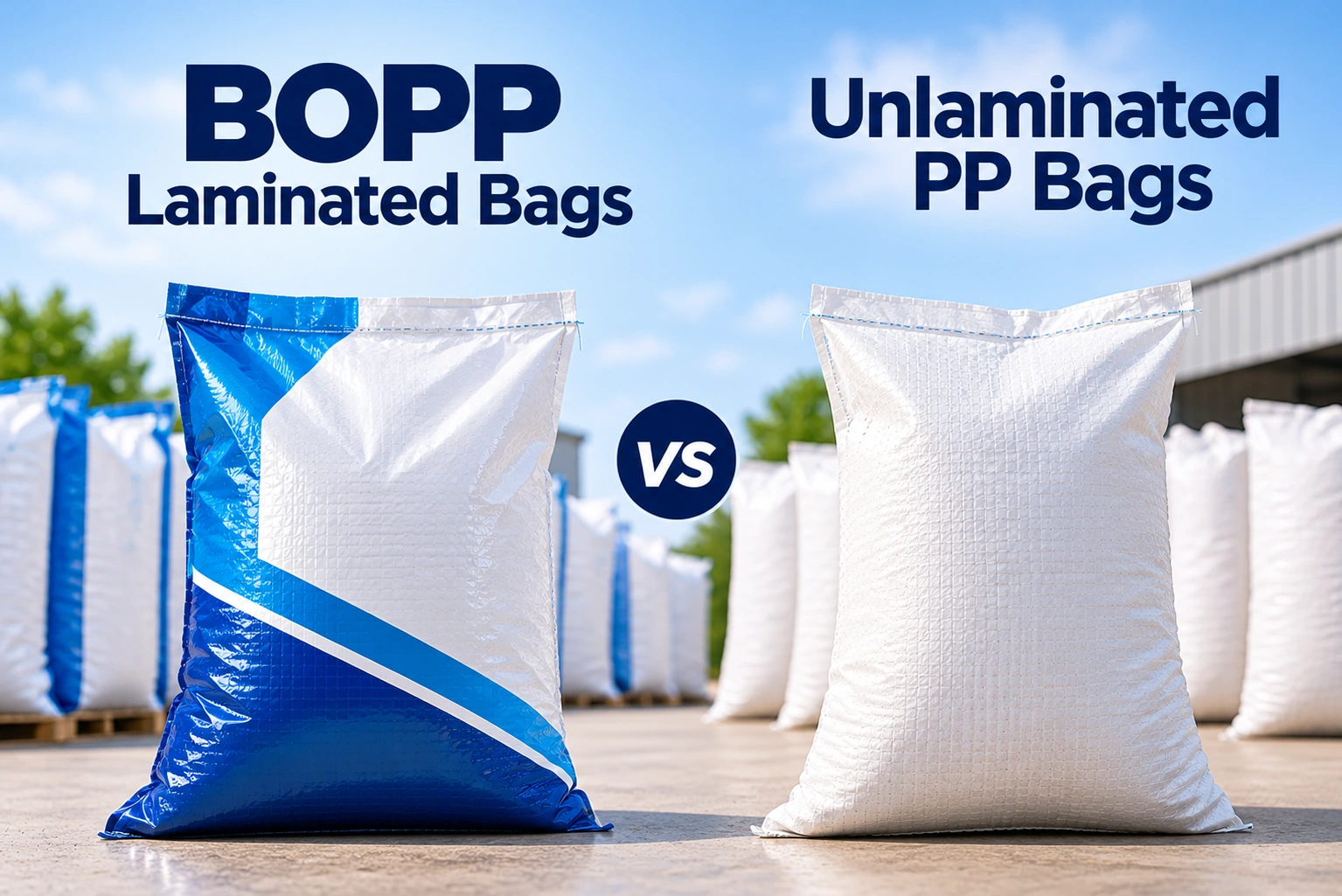
Woven fabric manufacturers are rapidly adopting flexographic and rotogravure printing technologies that deliver high-definition graphics, vivid multi-colour imagery, and precise brand registration on finished woven bags. The use of flexographic and rotogravure printing has given high-definition graphics and colours to BOPP laminated PP woven bags — helping brands stand out on retail shelves while retaining packaging integrity.
For Indian FMCG companies and export-oriented food brands, this development is transformative. A finished bag is no longer just a container — it is a marketing asset.
Lightweight High-Strength Fabric Engineering
Woven fabric manufacturers are optimising GSM and fabric construction to reduce material use without compromising load-bearing performance. Manufacturers are maximising GSM and fabric construction to minimise material use without affecting load-bearing capacity — reducing transport expenses and supporting sustainable packaging goals.
In practical terms, this means buyers can source bags that are lighter per unit, lower in raw material cost, and smaller in carbon footprint — without any loss of structural performance in the field.
Smart Packaging Integration
Woven fabric manufacturers are beginning to integrate smart packaging features into their woven fabric products, including:
- QR code and barcode printing for supply chain traceability
- NFC tag integration for anti-counterfeiting in high-value exports
- RFID-compatible constructions for automated warehouse management
These innovations are particularly relevant for Indian exporters supplying regulated markets in the EU, UK, and North America, where traceability and product authentication standards are tightening.
Recyclable and Recycled-Content Fabrics
Sustainability is driving significant material innovation. The accelerated development and adoption of recyclable or recycled-content woven polypropylene bags, along with investment in collection and recycling infrastructure, are emerging as key strategic directions for larger market players.
Leading woven fabric manufacturers now offer fabrics incorporating 10–20% recycled PP content, supporting buyers’ sustainability reporting and Extended Producer Responsibility (EPR) compliance under India’s Plastic Waste Management Rules.
How Are Woven Fabric Manufacturers Serving India’s Key Industrial Sectors?
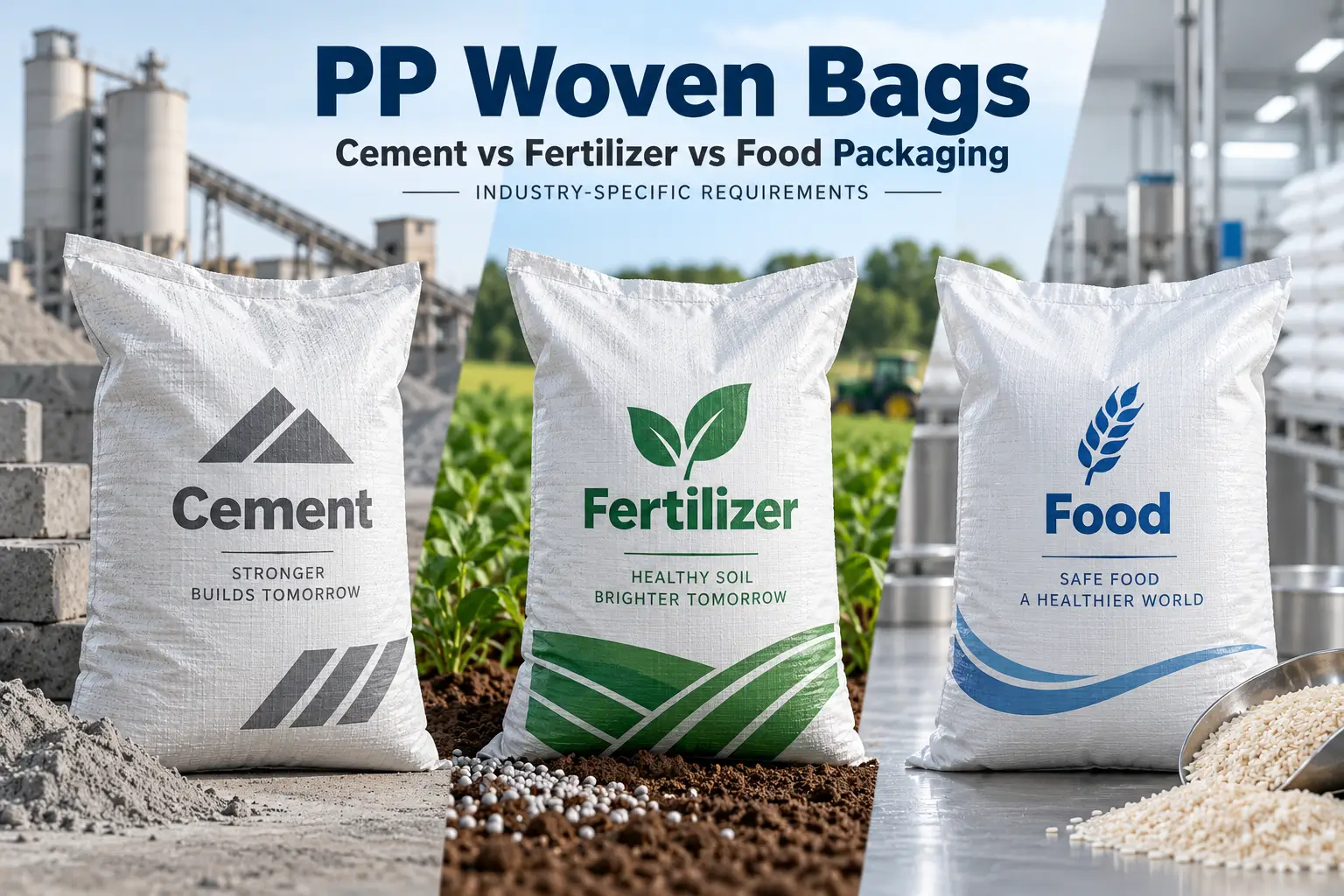
Woven fabric manufacturers supply the foundational material for packaging across nearly every major Indian industry. Here is how the material is applied sector by sector:
| Sector | Application | Key Requirement |
|---|---|---|
| Agriculture | Grain, seed, fertiliser, animal feed bags | Breathability, load strength, UV resistance |
| Food Processing | Flour, sugar, rice, spice packaging | Food-grade liner, moisture barrier, FSSAI compliance |
| Construction | Cement, sand, aggregate packaging | High GSM, heavy load capacity, tear resistance |
| Chemicals & Fertilisers | Industrial powder, urea, DAP packaging | Chemical resistance, sealed or stitched closure |
| Retail & FMCG | Consumer goods, branded bulk packaging | Multi-colour print, lamination, visual presentation |
| Geotextiles | Erosion control, drainage, soil stabilisation | UV stability, high tensile strength, dimensional consistency |
The agriculture industry, which requires durable and reliable packaging for transporting produce and goods, is increasingly turning to woven bags — offering strength and breathability suitable for storing and transporting agricultural products such as grains, seeds, and fertilisers.
Aeroflex Neu’s high-strength PP woven fabric products serve all of these sectors, manufactured to precise GSM and denier specifications and available with lamination, liner, and custom print configurations to match each application.
What Does PP Woven Fabric Cost in India in 2026?
Woven fabric manufacturers in India price PP woven fabric primarily based on GSM, denier, width, and order volume. Here is a realistic 2026 pricing guide for the Indian market:
| Fabric Type | Price Range (₹/kg) | Notes |
|---|---|---|
| Unlaminated PP Woven Fabric | ₹75 – ₹95/kg | Standard grades, circular or flat |
| BOPP Laminated PP Woven Fabric | ₹110 – ₹140/kg | High-gloss surface for retail bags |
| UV-Stabilised PP Woven Fabric | ₹90 – ₹115/kg | Outdoor storage, agricultural use |
| Food-Grade PP Woven Fabric (with PE liner) | ₹120 – ₹160/kg | FSSAI-compliant, moisture barrier |
| Recycled-Content PP Woven Fabric | ₹70 – ₹90/kg | 10–20% recycled PP, EPR-compliant |
Prices are indicative 2026 market estimates. Actual pricing depends on GSM specification, order quantity, delivery location, and raw material costs at time of order.
Minimum order quantities for PP woven fabric rolls typically start at 500 kg to 1,000 kg from established manufacturers. Bulk orders above ₹3 lakh routinely attract volume discounts of 5–12%.
For export orders, PP woven fabric is typically quoted FOB India in USD, with prices generally ranging from US$1.10 to US$2.20/kg depending on specification and destination port. Freight costs to major importing markets (UAE, Kenya, Bangladesh, Netherlands) add approximately US$80–US$150 per MT depending on shipping route and container type.
How Does Aeroflex Neu Stand Out Among Woven Fabric Manufacturers in India?
Woven fabric manufacturers vary widely in production capacity, quality consistency, and ability to serve export-grade requirements. Aeroflex Neu differentiates on three core pillars:
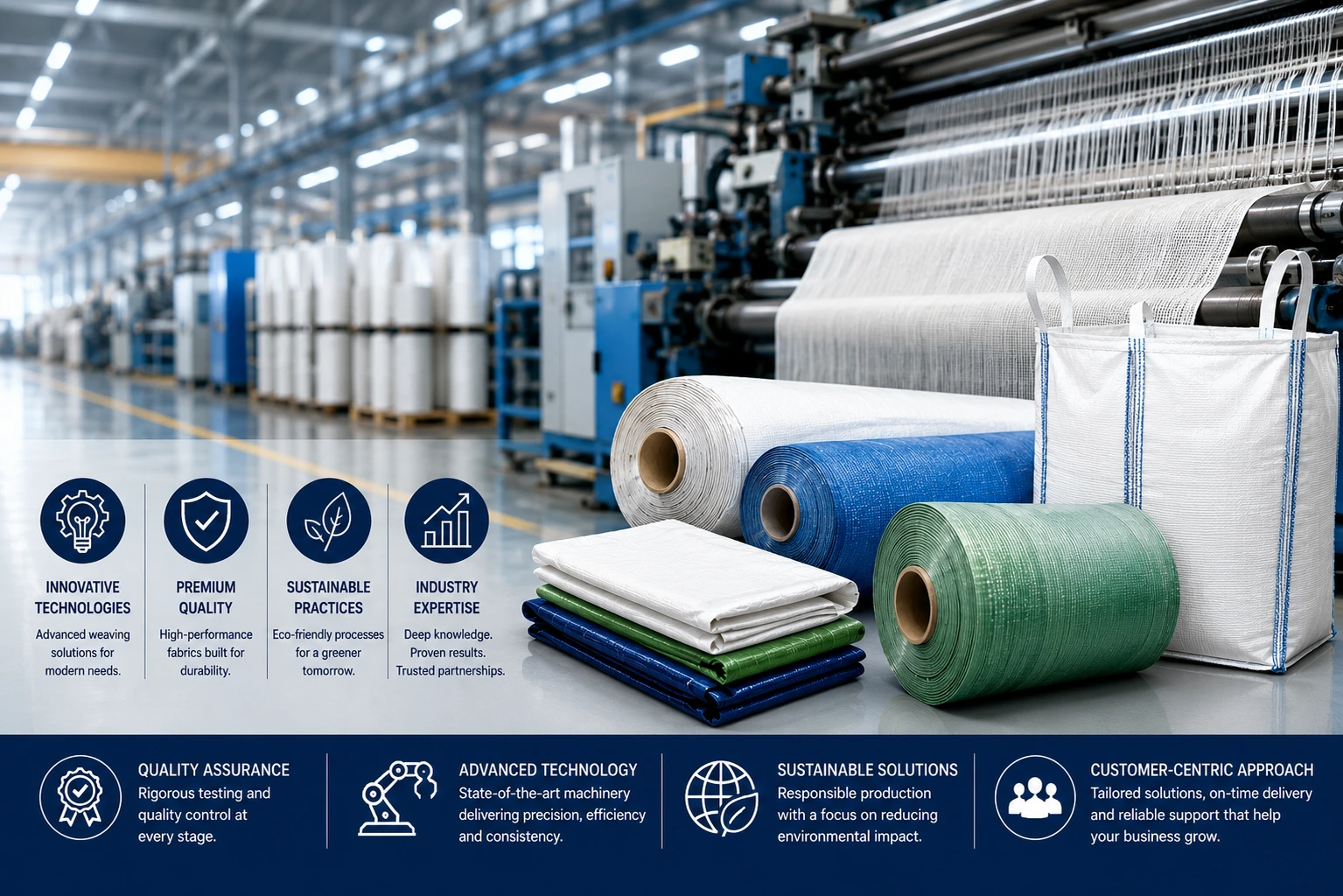
1. Manufacturing Precision At Aeroflex Neu, we manufacture PP woven fabric on state-of-the-art circular and flat looms calibrated for consistent GSM, denier, and mesh count across every production batch. Our in-house quality laboratory verifies tensile strength, elongation, and UV stability on every lot before despatch.
2. Customisation Depth From single-colour unlaminated fabric rolls to multi-colour BOPP laminated fabric with food-grade PE liner, Aeroflex Neu’s product range covers the complete spectrum of woven fabric specifications required by Indian manufacturers, exporters, and distributors.
3. Export Compliance According to Aeroflex Neu’s 2026 India market insights, export enquiries for PP woven fabric — particularly food-grade and BOPP laminated variants — are rising strongly from buyers in the Middle East, East Africa, and Western Europe. Our products are manufactured with international compliance documentation including material composition certificates, food-contact declarations, and recyclability attestations.
What Are the Sustainability Credentials of Modern PP Woven Fabric?
Woven fabric manufacturers are responding to the growing demand for sustainable packaging across both Indian domestic markets and international export channels. Fabric exports from India are rising because buyers from other countries want sustainable textiles, natural fibres, eco-friendly production, and scalable manufacturing — with India increasingly seen as a strategic sourcing hub rather than simply a low-cost option.
For PP woven fabric specifically, sustainability credentials in 2026 include:
- Full recyclability under resin code #5 (PP), accepted by municipal recycling programmes across the EU and increasingly in India
- Recycled content availability, with 10–20% recycled PP content now commercially available from leading Indian manufacturers
- Reusability: high-strength PP woven fabric enables bags rated for multiple use cycles, reducing single-use packaging waste
- Lower carbon intensity versus alternatives: per-kilogram carbon emissions for PP woven fabric are significantly lower than multi-layer flexible plastic laminates or rigid packaging formats
India’s regulatory environment is also evolving to support sustainable woven fabric adoption. The Plastic Waste Management (Amendment) Rules and EPR framework create commercial incentives for buyers to switch to recyclable woven packaging — a direct tailwind for PP woven fabric demand.
People Also Ask
What do woven fabric manufacturers in India produce?
Indian woven fabric manufacturers produce a wide range of PP and HDPE woven fabrics in circular and flat form, used primarily for making woven bags, sacks, bulk packaging, geotextiles, and industrial covers. Products range from plain unlaminated fabric rolls to BOPP laminated and food-grade PE-lined constructions.
What is the price of PP woven fabric in India in 2026?
PP woven fabric in India is priced between approximately ₹75 and ₹160 per kilogram in 2026, depending on GSM, lamination, liner specification, and order volume. Bulk orders above ₹3 lakh typically attract discounts of 5–12% from established manufacturers.
Which states in India are known for woven fabric manufacturing?
Gujarat (Surat, Ahmedabad), Maharashtra, Tamil Nadu (Chennai, Coimbatore), and Rajasthan (Bhilwara) are India’s primary woven fabric manufacturing hubs, with Gujarat being the dominant centre for PP woven fabric and packaging sack production.
Are PP woven fabrics suitable for food packaging?
Yes. PP woven fabrics manufactured from virgin-grade polypropylene resin and fitted with food-safe PE liners are suitable for indirect food contact packaging of commodities like rice, flour, sugar, pulses, and spices. Buyers should confirm FSSAI compliance documentation with their supplier.
Can PP woven fabric be customised with brand printing?
Yes. PP woven fabric and finished woven bags can be printed using flexographic or rotogravure printing in up to 6–8 colours, supporting brand logos, regulatory text, barcodes, QR codes, and multilingual labelling for domestic retail and export markets.
Is PP woven fabric recyclable and compliant with India’s EPR rules?
Yes. Polypropylene (PP) is classified under resin code #5 and is recyclable. Under India’s Extended Producer Responsibility (EPR) framework within the Plastic Waste Management Rules, PP woven packaging is eligible for EPR credit compliance, and manufacturers offering recycled-content fabric can support buyers’ EPR obligations.
Conclusion: Choosing the Right Woven Fabric Manufacturer for Your Business
Woven fabric manufacturers are not interchangeable. The quality of PP woven fabric — its consistency, tensile performance, moisture resistance, and compliance credentials — directly determines the reliability and reputation of every finished bag, sack, or container that reaches your customer.
In 2026, the most competitive Indian manufacturers are those investing in precision manufacturing, sustainable material innovation, advanced printing capability, and robust export compliance systems. Buyers who partner with such manufacturers gain not just a supplier, but a strategic packaging advantage.
Whether you are a domestic manufacturer sourcing packaging fabric in bulk, an exporter seeking food-grade BOPP laminated material, or a distributor building a reliable woven bag supply chain, Aeroflex Neu’s PP woven fabric range is engineered to meet your exact specification — at scale, on time, and with full documentation support.
Explore Aeroflex Neu’s complete PP woven fabric and packaging solutions at aeroflexneu.com/pp-woven-fabric or contact our team to request samples, technical datasheets, and bulk pricing.