For fertilizer manufacturers and distributors, packaging loss isn’t a minor line item – it’s product that was formulated, filled, transported, and paid for, but never reached the field. Torn bags at the loading dock, moisture-damaged urea sitting in a humid warehouse, seams splitting under stacking pressure, fine granules sifting out during transit – every one of these is margin walking out the door before the sale is even complete.
The good news is that most fertilizer packaging loss isn’t random. It traces back to a small number of specification mistakes: wrong fabric GSM for the fill weight, no lamination where moisture protection was needed, the wrong top-and-seal format for the filling line, or bags sourced purely on lowest price rather than fit-for-purpose engineering.
At Aeroflex Neu, we’ve manufactured PP woven bags for the fertilizer industry – including urea, DAP, NPK, and other granular and powdered formulations – for over 25 years. Here’s what actually drives packaging loss in fertilizer supply chains, and how the right bag specification prevents it.
Where Fertilizer Companies Actually Lose Product
Before fixing the packaging, it helps to be precise about where the loss happens:
- Seam and stitch failure during stacking, forklift handling, or multiple loading/unloading cycles – usually from under-specified fabric GSM or poor stitching quality.
- Moisture ingress during monsoon-season transport or humid warehouse storage, which degrades granular fertilizer, causes caking, and can render a shipment unsellable.
- Sifting and dusting loss through loosely woven fabric, especially with fine granular or powdered formulations.
- Slow, inconsistent filling on high-speed lines due to a bag format that doesn’t match the filling equipment – leading to underfills, overfills, and spillage at the nozzle.
- UV degradation during prolonged outdoor storage at ports or distribution yards, which weakens the fabric before the bag is even used.
Each of these has a specific packaging fix – not a generic one.
1. Match Fabric GSM to Fill Weight and Handling Conditions
PP woven fabric is manufactured across a GSM (grams per square metre) range, and using the wrong GSM for your fill weight is one of the most common – and easily avoidable – causes of tearing and seam failure.
As a general guide for fertilizer packaging:
- 75–90 GSM – suited to standard fertilizer bags in the 20–35 kg range
- 90–110 GSM – the typical range for 50 kg fertilizer and chemical bags, which covers most bulk fertilizer packaging
- 110–140 GSM – for heavy-duty bulk sacks or export shipments that go through extended handling and multiple transit points
Under-specifying GSM to save marginally on cost is one of the most common false economies in fertilizer packaging – the loss from a single burst pallet typically outweighs the fabric savings many times over.
2. Choose Lamination Based on Storage and Transit Conditions
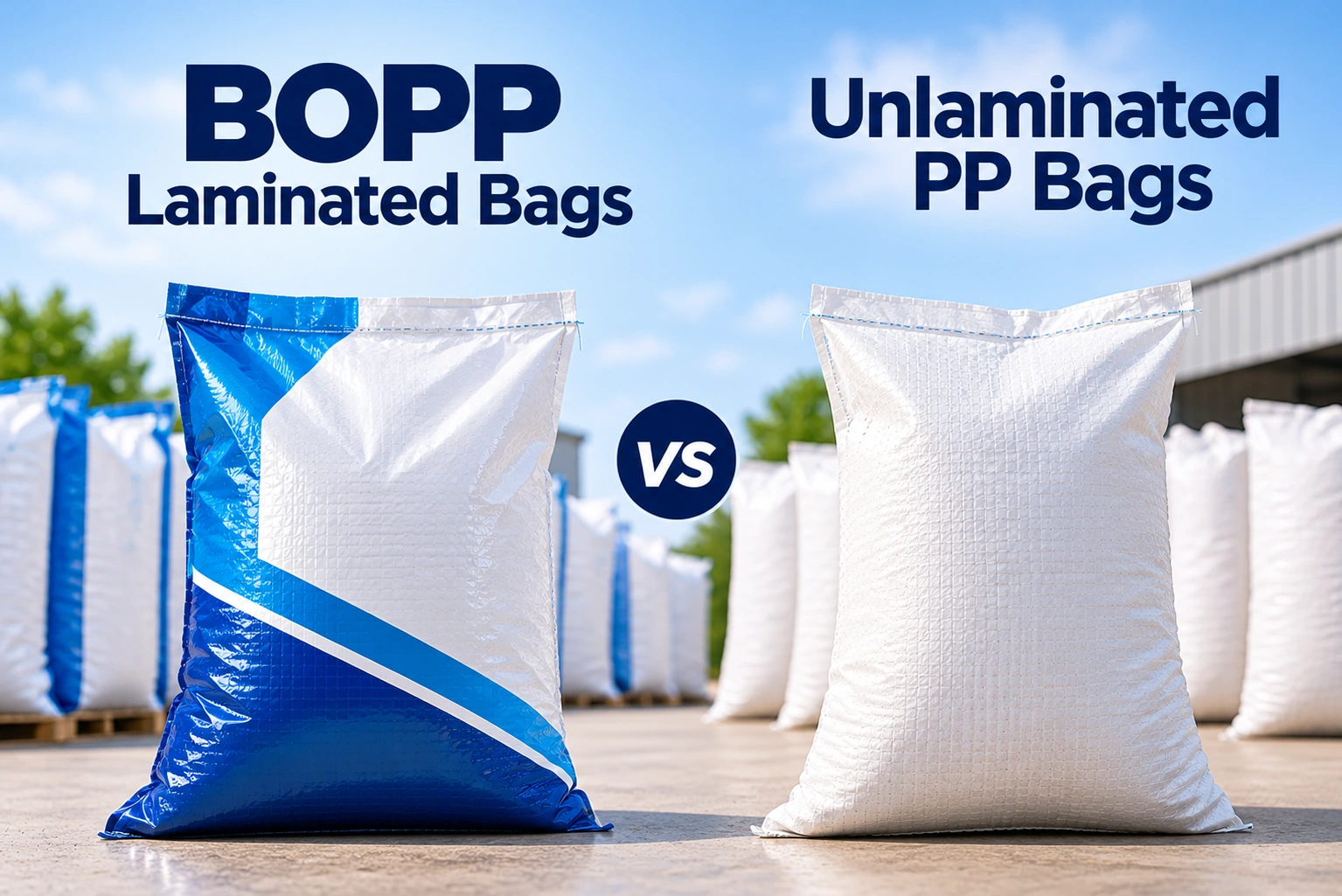
Unlaminated woven bags are breathable and economical, but for fertilizer specifically – a product highly sensitive to moisture – lamination is usually the deciding factor in whether a shipment survives transit intact.
BOPP or PP laminated woven bags add a moisture barrier film to the outer surface, which:
- Protects granular and powdered fertilizer from humidity, rain exposure during loading, and condensation in sea containers
- Prevents caking and clumping that can render fertilizer difficult to spread or unsellable
- Provides a smooth surface for sharp, multi-colour printing – useful for brand visibility and batch/compliance labelling
If your fertilizer is stored outdoors even temporarily, transported via sea freight, or distributed in high-humidity regions, laminated bags are typically the more cost-effective choice once you account for prevented losses – not just the upfront material cost.
3. Use Valve Bags for Faster, More Consistent Filling
Fertilizer producers running high-speed automated filling lines lose product every time a bag format mismatches the filling equipment – through spillage, underfilling, or line stoppages.
PP woven valve bags are built for exactly this. Product is filled through a nozzle into a self-sealing valve corner; once the target weight is reached, the valve closes automatically without stitching or heat sealing. This:
- Reduces spillage at the filling point compared to open-top formats requiring manual closing
- Improves fill-weight consistency, reducing giveaway (over-filling to compensate for inconsistent bags)
- Speeds up line throughput, which matters at scale during peak fertilizer season
4. Specify the Right Mesh Count to Prevent Sifting
For granular fertilizers, especially fine or powdered formulations like some NPK blends, a loosely woven fabric allows product to sift through the weave during handling and transport – a slow, often unnoticed source of loss.
Mesh counts (commonly 10×10 up to 14×14) should be matched to your product’s particle size. Finer formulations need a tighter mesh count, and where sifting risk is high, a laminated or coated inner surface adds an extra layer of containment.
5. Add UV Stabilization for Outdoor Storage
Fertilizer bags stored outdoors at ports, distribution yards, or farm-level storage before use are exposed to UV degradation, which weakens the woven fabric over time – even before the bag is filled. UV-stabilized PP woven bags resist this breakdown, protecting bag integrity through extended storage periods that are common in agricultural supply chains.
A Quick Specification Checklist for Fertilizer Packaging
| Requirement | Recommended Specification |
| 50 kg standard fertilizer bags | 90–110 GSM, laminated, valve top |
| Export / multi-handling shipments | 110–140 GSM, laminated, UV stabilized |
| High-speed automated filling lines | Valve bag format |
| High-humidity or sea-freight transit | BOPP or PP lamination required |
| Fine granular/powder formulations | Tighter mesh count (12×12 to 14×14) + lamination |
| Outdoor/yard storage before use | UV-stabilized fabric |
Get a Packaging Specification Built for Your Fertilizer Product
Reducing packaging loss isn’t about buying a “stronger” bag in general – it’s about matching fabric GSM, lamination, mesh count, top format, and UV stabilization to your specific product, fill weight, and supply chain conditions.
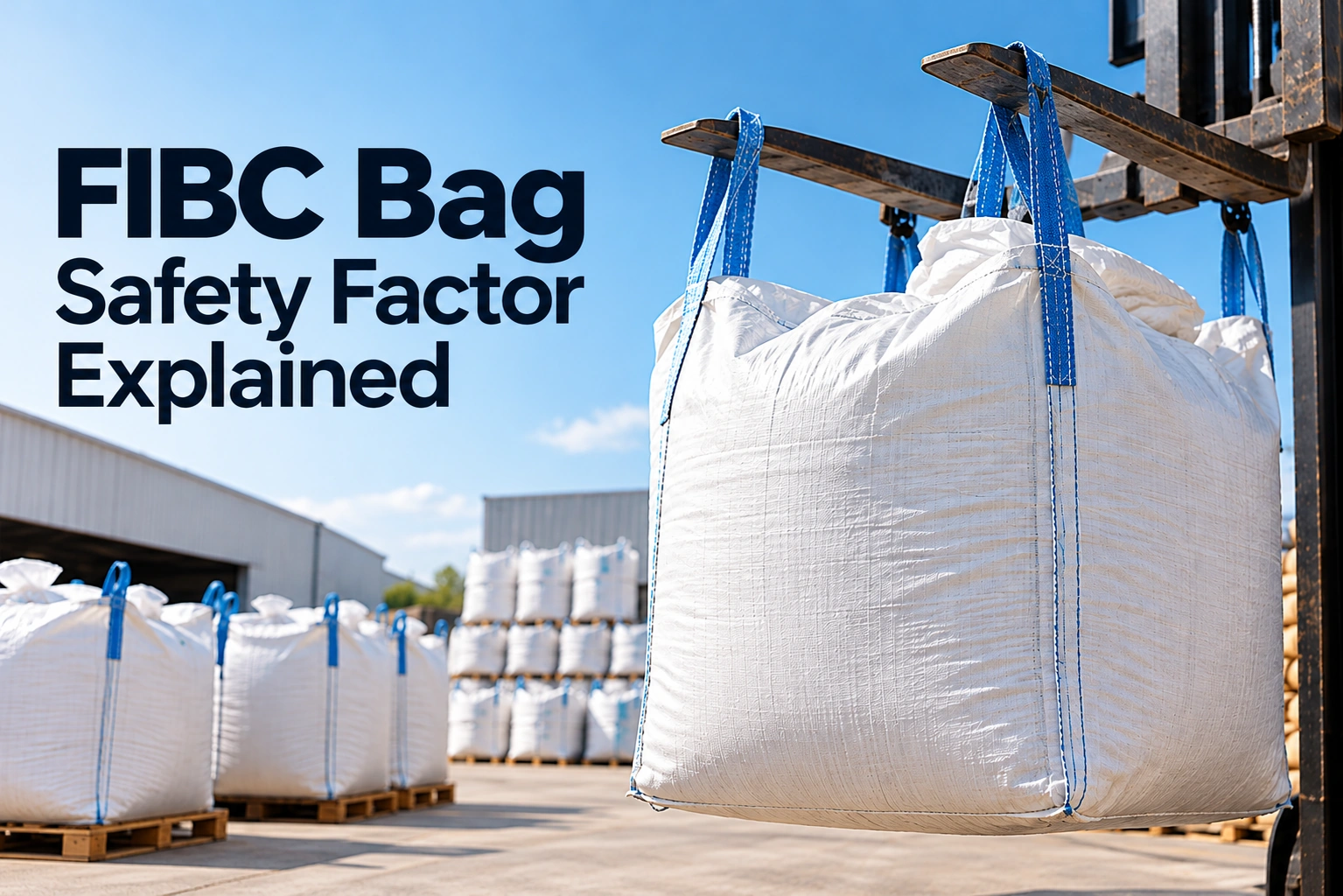
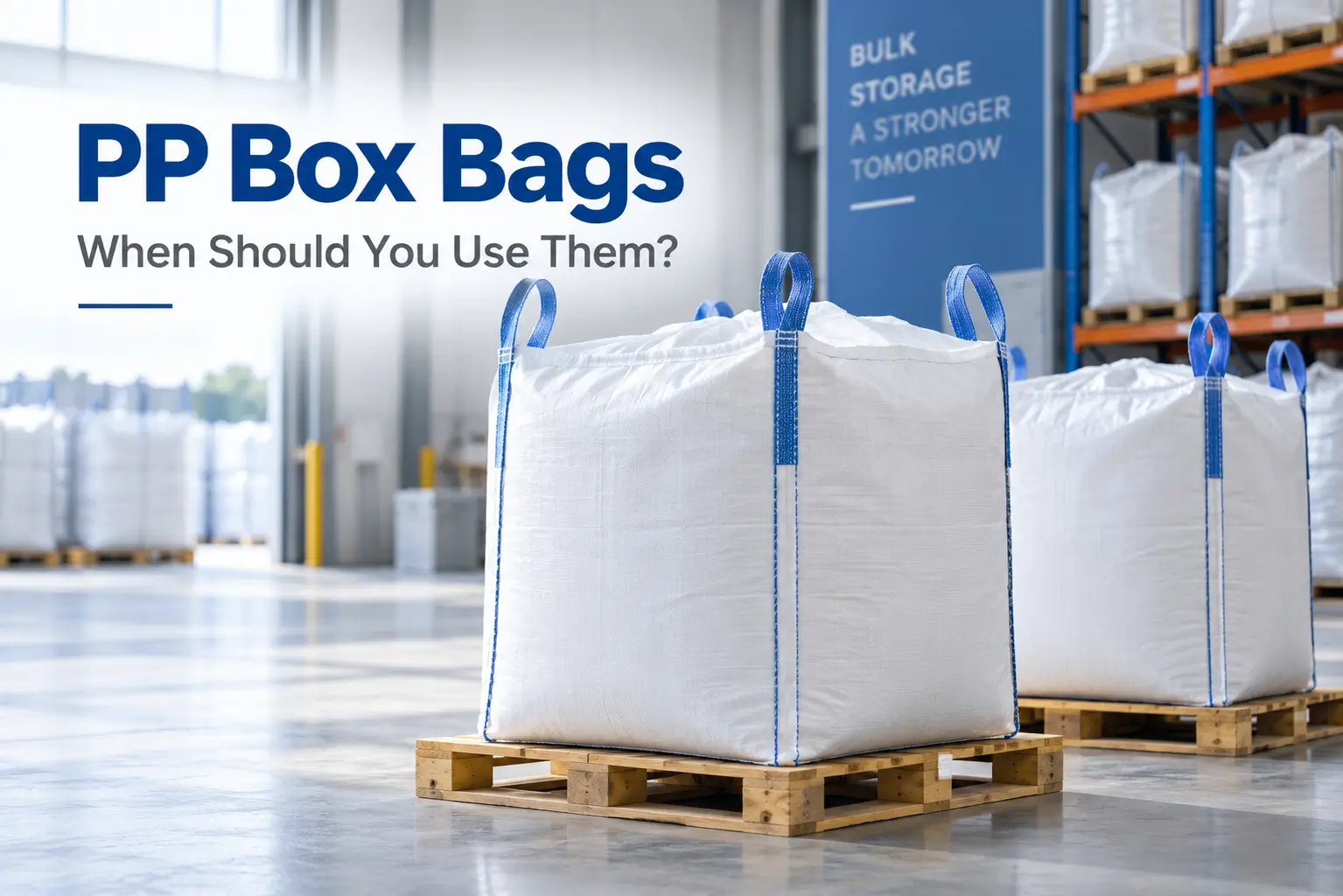
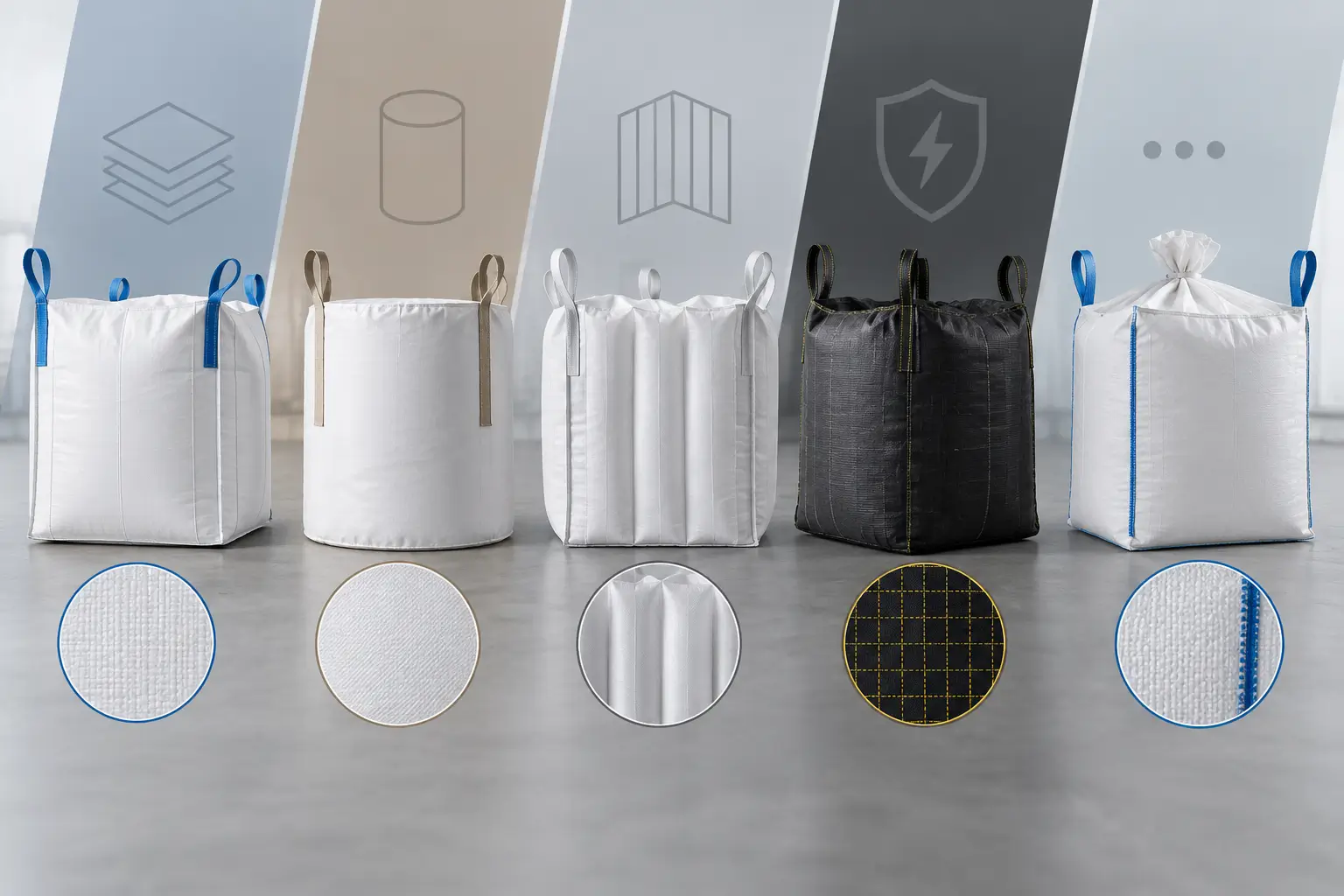
At Aeroflex Neu, we manufacture custom PP woven bags – unlaminated, laminated, and valve formats – for fertilizer companies across India and for export, from our 80,000+ sq. ft. facility in Udaipur, Rajasthan. As a FIBCA and IFIBCA member manufacturer, we work with fertilizer producers to specify bags by fill weight, transit conditions, and filling-line requirements, not off-the-shelf defaults.
Contact our team with your fertilizer packaging specification for a custom quote, or explore our full PP Woven Bags range to see GSM options, lamination, and valve bag specifications.
Frequently Asked Questions
What GSM is best for 50 kg fertilizer bags?
Most 50 kg fertilizer and chemical bags are manufactured in the 90–110 GSM range, which balances strength for the fill weight with cost-efficiency. Bags going through extended handling or export transit often move toward the higher end of that range.
Do fertilizer bags need to be laminated?
Not always, but lamination is strongly recommended wherever moisture exposure is a risk – humid storage, sea freight, outdoor yard storage, or monsoon-season transport. Laminated bags add a moisture barrier that unlaminated bags don’t provide.
What is a PP woven valve bag and why is it used for fertilizer?
A PP woven valve bag has a self-sealing valve corner that allows fertilizer to be filled via nozzle on automated lines, closing automatically once the target weight is reached – commonly used for cement, dry plaster, and fertilizer on high-speed filling equipment.
How can I stop fertilizer from sifting out of the bag during transport?
Sifting loss is usually addressed by specifying a tighter mesh count matched to your product’s granule size, and adding lamination or an inner coating for very fine or powdered formulations.
Can Aeroflex Neu produce fertilizer bags with custom branding and compliance labelling?
Yes. Aeroflex Neu offers six-colour flexographic printing on laminated bags, which supports brand visibility as well as batch numbers, weight declarations, and other compliance labelling required for fertilizer packaging.
What’s the difference between laminated and unlaminated fertilizer bags?
Laminated bags have a PP or BOPP film bonded to the surface for moisture resistance and print quality, while unlaminated bags are breathable and more economical – often used where moisture exposure risk is lower and cost efficiency is the priority.
Does bag GSM affect the price of fertilizer packaging?
Yes – higher GSM fabric uses more raw material and costs more per bag, but for fertilizer specifically, under-specifying GSM to cut cost often leads to higher losses from tearing and seam failure, which typically outweighs the initial savings.
Can Aeroflex Neu supply fertilizer bags for export shipments?
Yes. Aeroflex Neu exports PP woven bags to Europe, the Middle East, the USA, Africa, and other regions, and can specify GSM, lamination, and UV stabilization to suit extended transit and multi-handling export conditions. Contact us with your destination and volume for a quote.