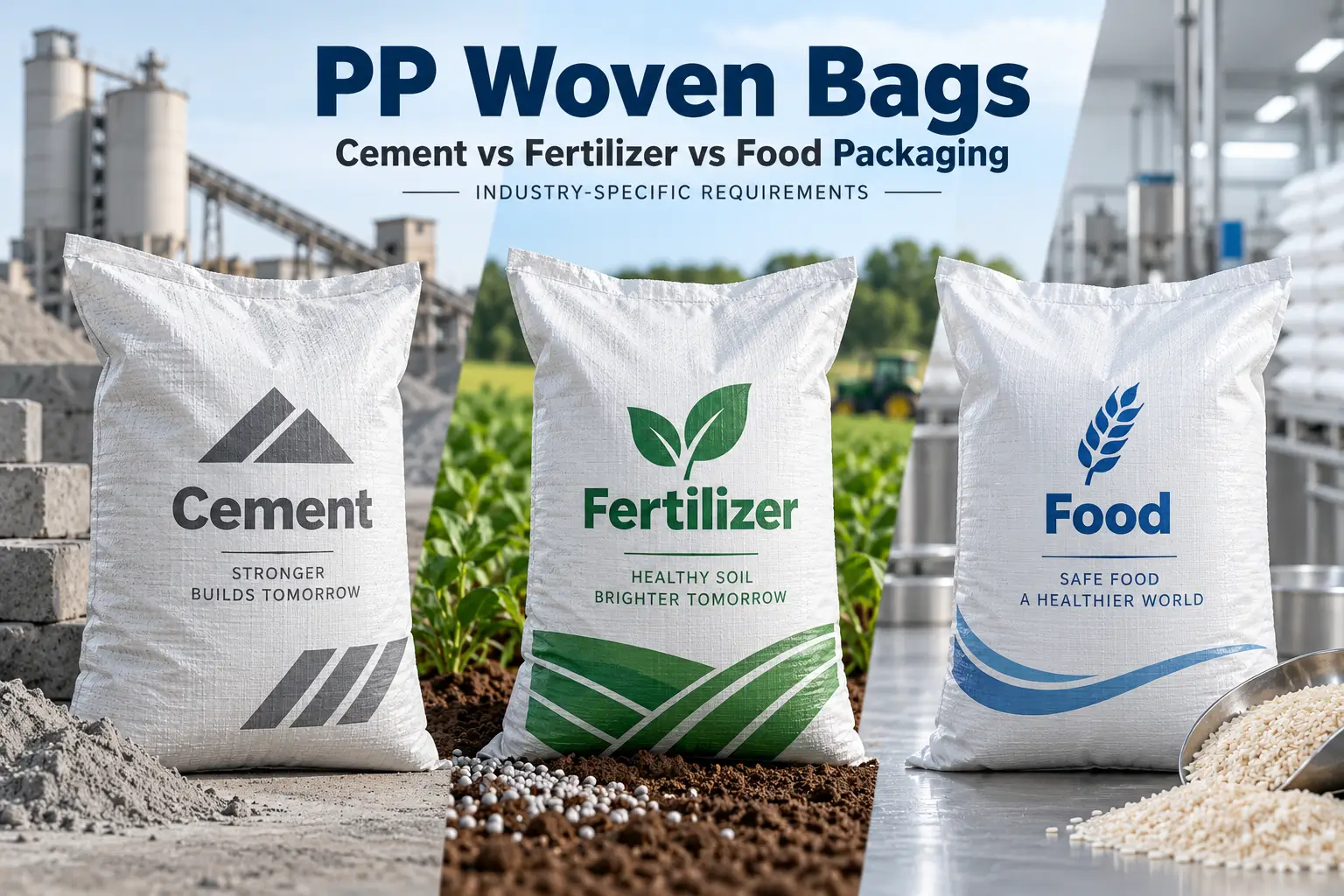
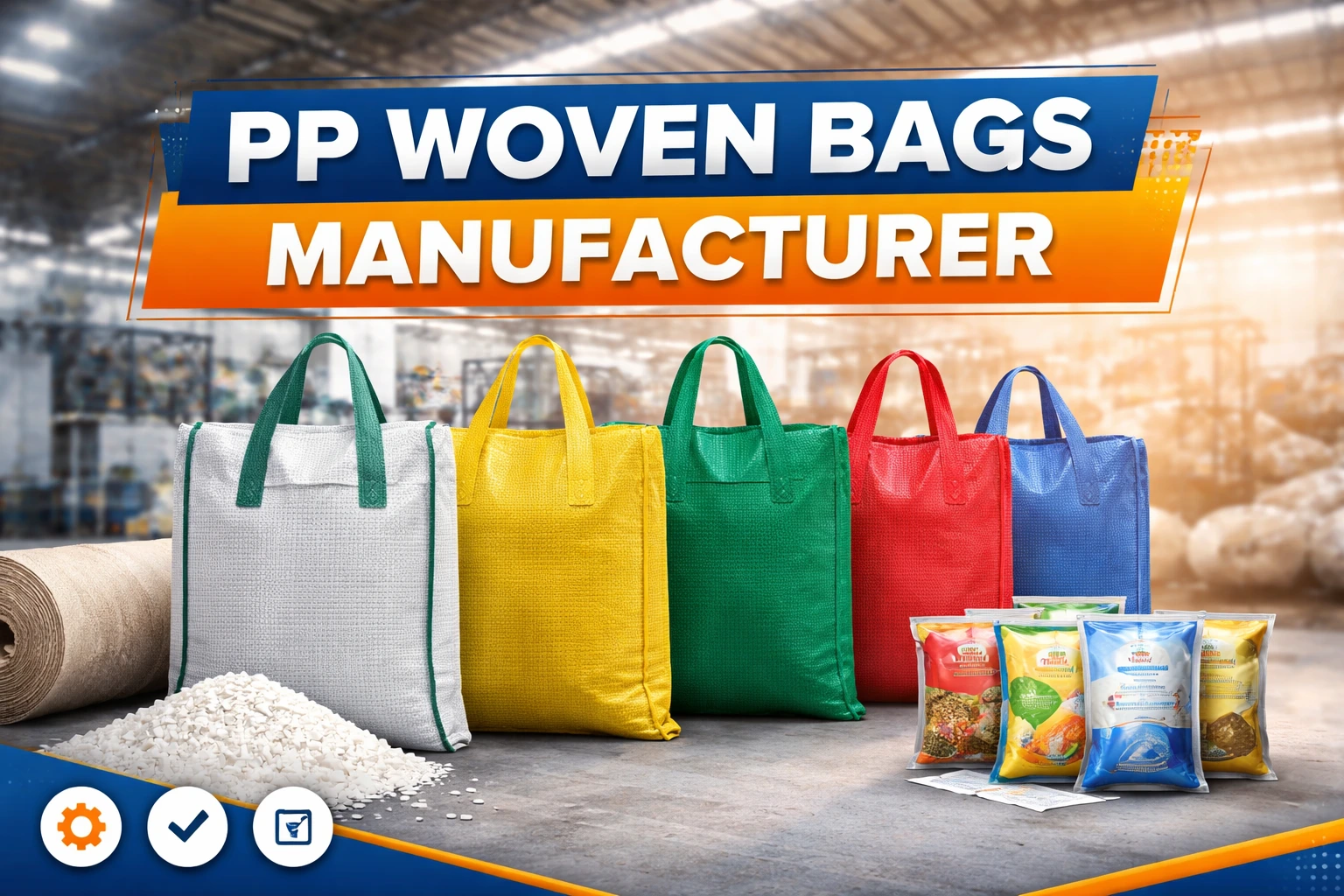
PP Woven Bags Manufacturers are at the heart of India’s industrial packaging revolution. From rice mills in Punjab to chemical exporters in Gujarat, businesses across sectors are rethinking how they package, protect, and ship their goods – and the answer increasingly lies in polypropylene woven bags. In 2026, India’s flexible packaging market is valued at over ₹1.2 lakh crore, with woven polypropylene sacks forming one of its fastest-growing segments, driven by rising agricultural output, surging e-commerce, and stringent global import quality standards.
But not all manufacturers are created equal. Choosing a reliable, experienced, and export-compliant PP woven bags manufacturer and supplier can mean the difference between seamless logistics and costly supply chain failures. This article breaks down the top 8 benefits of partnering with a trusted Indian manufacturer – and why quality, compliance, and customisation matter more in 2026 than ever before.
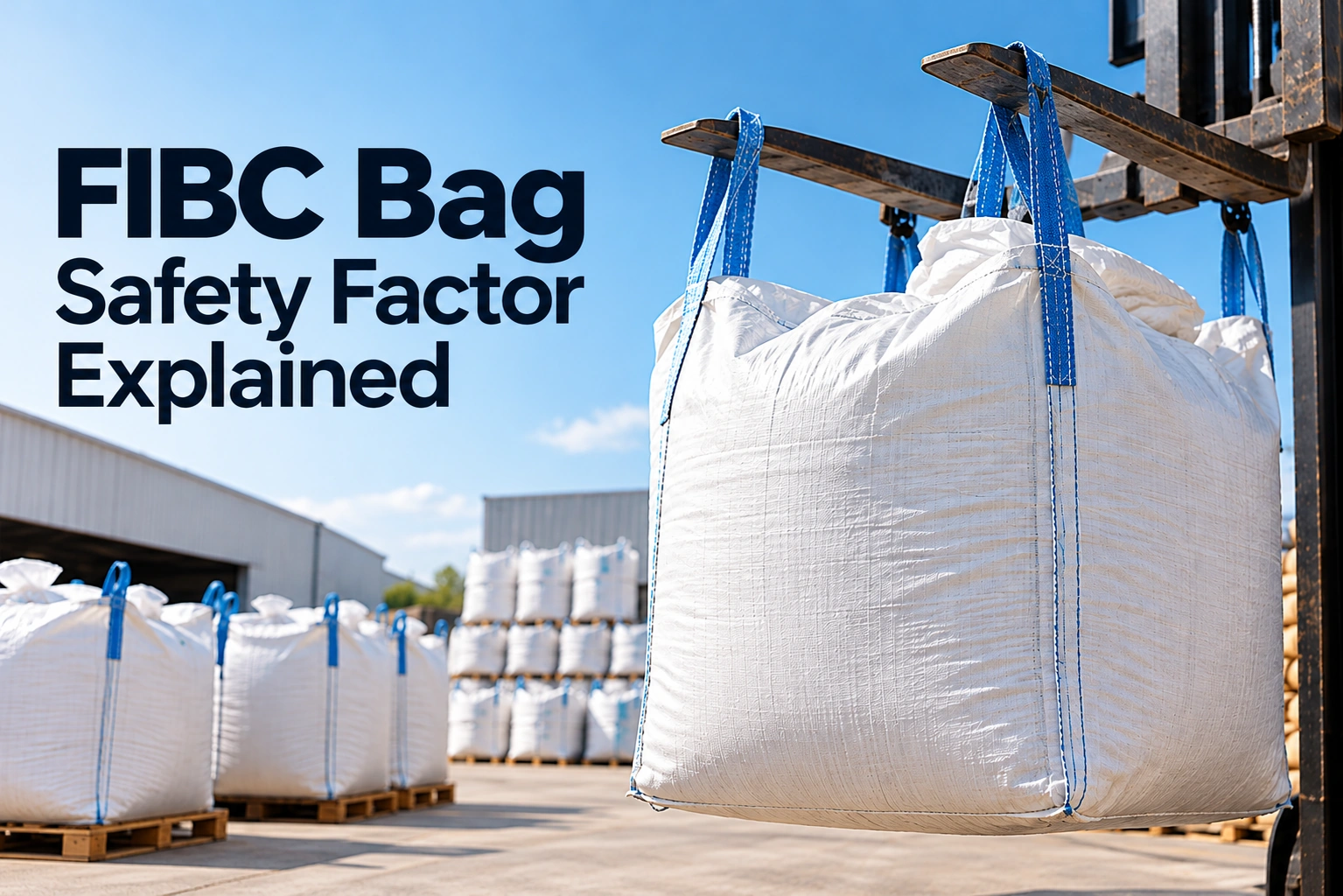
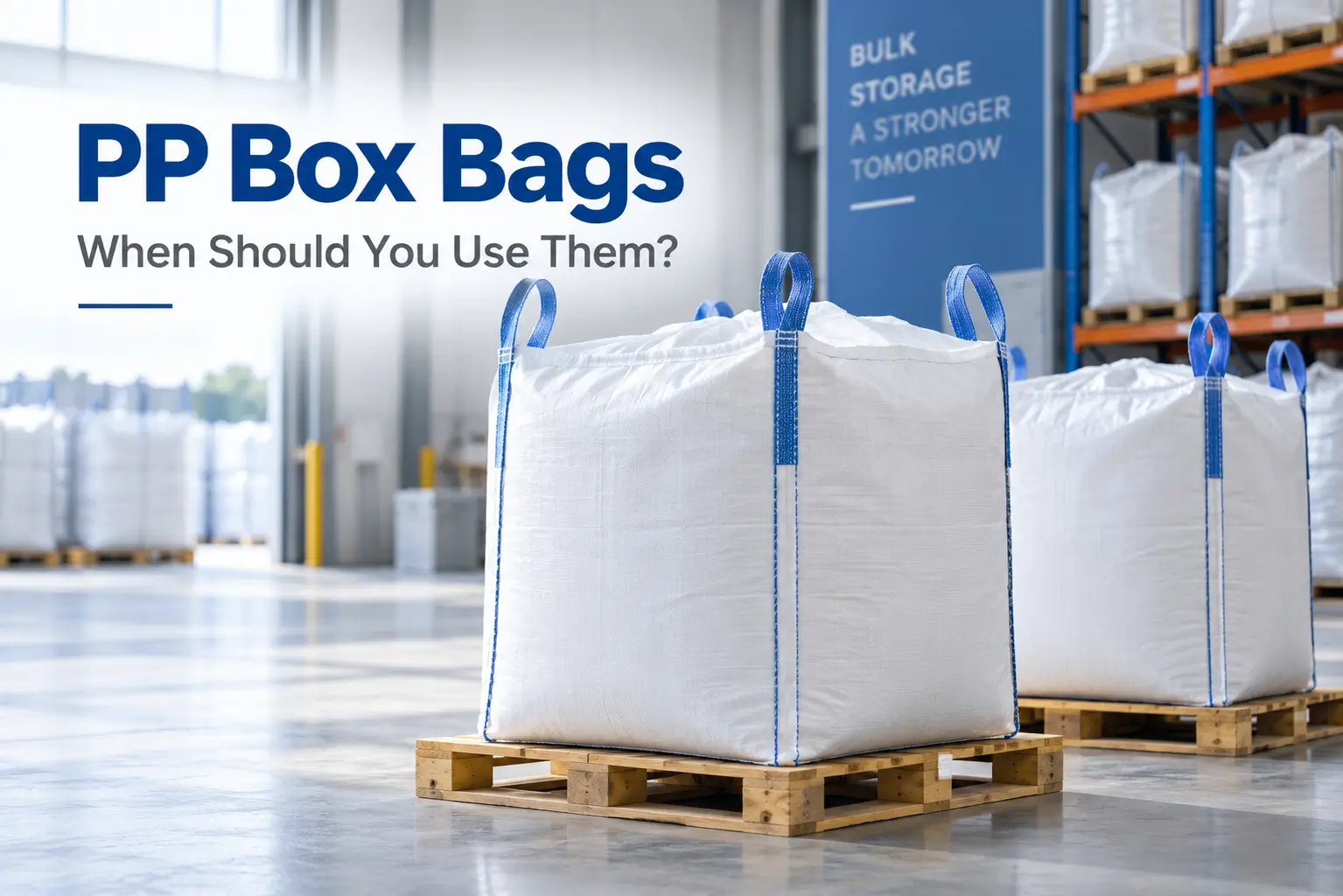
| 01 Why Do PP Woven Bags Offer Superior Strength and Durability? PP Woven Bags Manufacturers engineer these bags to handle extreme load conditions – from 5 kg retail packs to 50 kg industrial FIBC (jumbo) sacks. The woven polypropylene structure provides exceptional tensile strength, tear resistance, and load-bearing capacity that multi-wall paper or conventional plastic bags simply cannot match. At Aeroflex Neu, we manufacture PP woven bags using high-grade virgin polypropylene resin, processed through precision tape-stretching and circular loom weaving technology. The result is a bag that resists puncturing, moisture seepage, and UV degradation – ideal for fertilizers, cement, grains, chemicals, and construction materials stored in varying climate conditions across India. Key specifications: Load capacity: 5 kg to 50 kg (standard); up to 2,000 kg for FIBC bags GSM range: 60 GSM to 120 GSM depending on application UV-stabilised variants available for outdoor storage |
| 02 How Do Reliable Manufacturers Ensure Food-Grade Safety Standards? PP Woven Bags Manufacturers supplying to the food industry must comply with India’s Food Safety and Standards Authority (FSSAI) regulations, as well as international certifications such as ISO 9001:2015 and BRC Global Standards for Packaging. In 2026, Indian food exporters shipping rice, sugar, flour, and pulses to the Middle East, Africa, and Southeast Asia face rigorous import inspections – non-compliant packaging can trigger entire shipment rejections. Aeroflex Neu’ high-strength PP woven bags ensure food-grade safety through the use of non-toxic, food-contact-safe polypropylene with inner PE liner options that prevent contamination, moisture entry, and pest infiltration. Our manufacturing facility maintains clean-room standards for food-grade product lines. “Food-grade PP woven bags with PE liners are the packaging of choice for 68% of Indian basmati rice exporters targeting GCC markets.” – India Rice Exporters Association, 2026 Outlook Report Reference: FSSAI Packaging Guidelines 2025; BRC/IOP Packaging Standard Issue 6 |
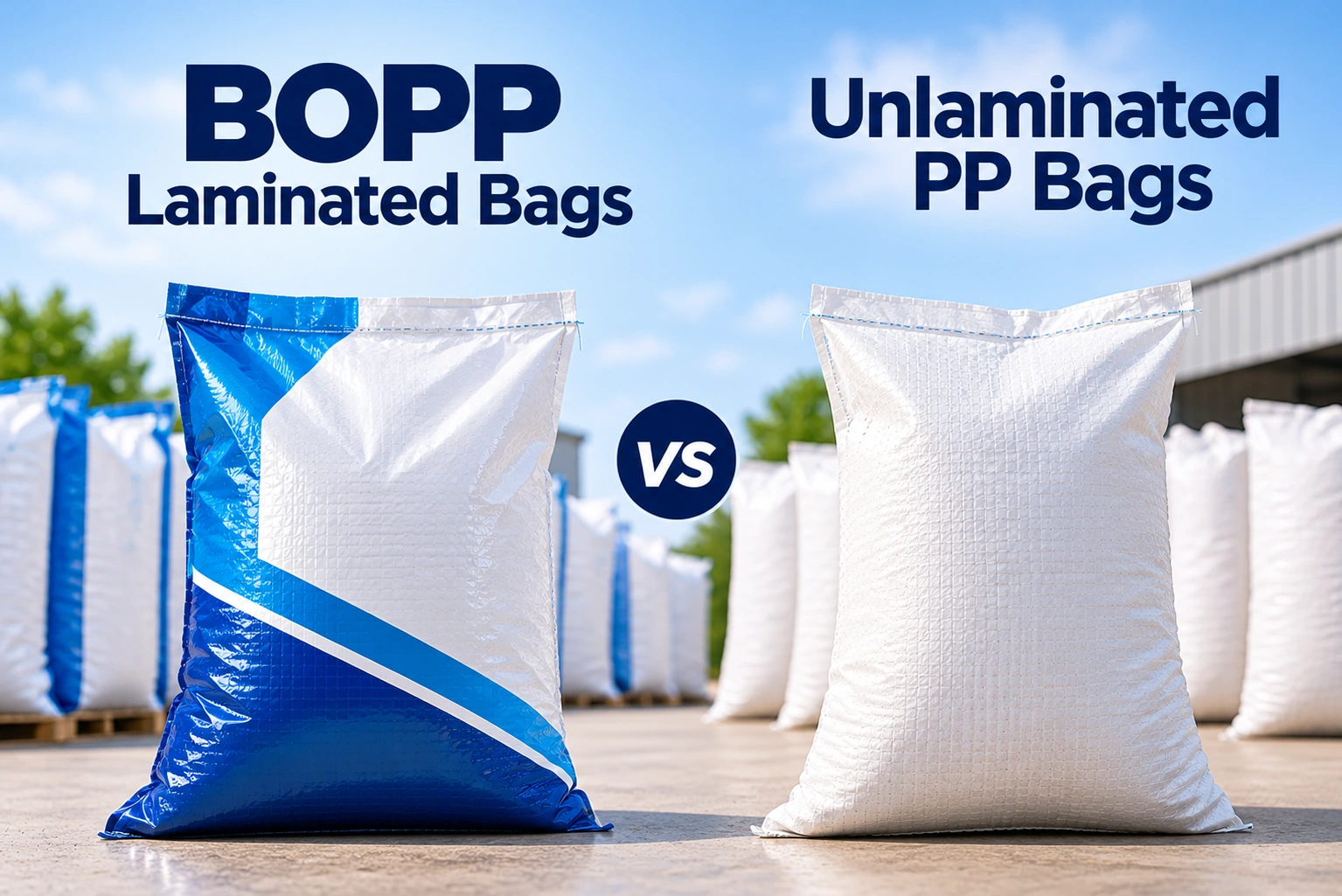
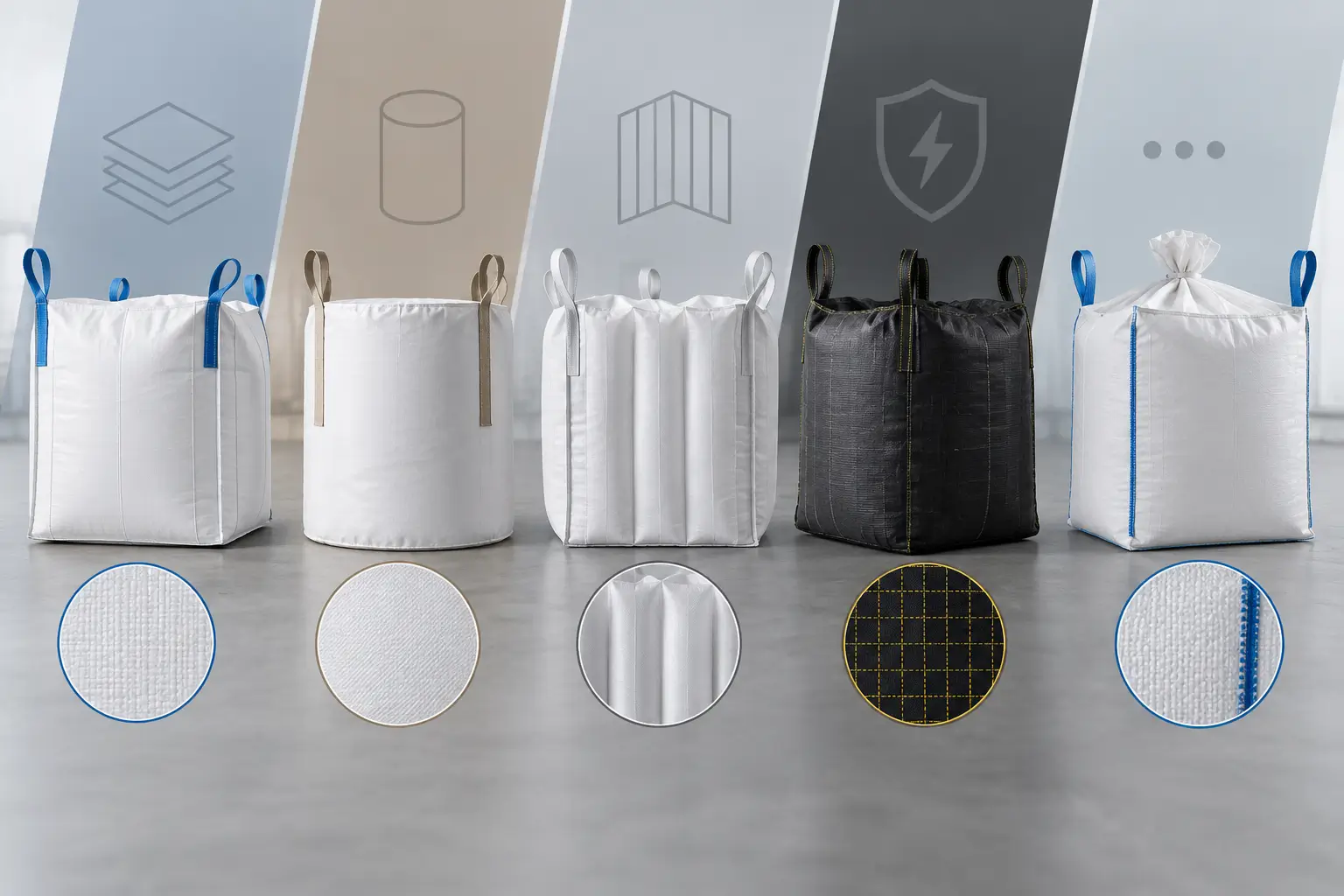
| 03 Can Indian PP Woven Bag Manufacturers Deliver Customised Solutions at Scale? PP Woven Bags Manufacturers in India have invested heavily in digital printing and lamination infrastructure, enabling brands to order fully customised bags – with logos, product information, multilingual text, and photographic-quality graphics – at bulk volumes. Customisation options include: Printing: Up to 6-colour flexographic or rotogravure printingLamination: BOPP laminated finish for premium retail appealClosure types: Heat-sealed, sewn, pinch-bottom, valve, or drawstringSizes: Fully customisable width, length, and gusset specificationsInner liners: PE, aluminium foil, or non-woven fabric linersHandle options: Loop handles, patch handles, or rope handles According to Aeroflex Neu’ 2026 India market insights, demand for BOPP laminated customised woven bags grew by over 22% year-on-year among retail and agri-packaging buyers – making customisation not a luxury, but a baseline expectation. |
| 04 How Does Choosing a Domestic Manufacturer Reduce Lead Times and Logistics Costs? PP Woven Bags Manufacturers based in India offer a structural advantage over imported alternatives: faster turnaround, lower freight costs, and supply chain resilience. In 2026, global container shipping rates remain volatile – sourcing packaging domestically eliminates the currency risk and lead-time uncertainty that comes with overseas procurement. For businesses in Tier-2 and Tier-3 Indian cities – from grain traders in Madhya Pradesh to construction companies in Rajasthan – proximity to a domestic manufacturer translates directly into predictable inventory cycles and reduced warehousing overheads. |
| 05 Are PP Woven Bags an Environmentally Responsible Packaging Choice in 2026? PP Woven Bags Manufacturers are increasingly aligning with India’s Extended Producer Responsibility (EPR) framework under the Plastic Waste Management Rules 2022 (amended 2024), which mandates traceable, recyclable packaging for commercial use. Polypropylene is 100% recyclable – PP woven bags can be returned to the production cycle as regrind material, significantly reducing packaging waste. Sustainability credentials: PP has a recycling rate of over 78% in organised Indian streams (Source: CIPET Annual Report 2025)Reusable woven bags reduce packaging waste per tonne by up to 40% vs. single-use alternativesUV-stabilised PP bags withstand 3–5 reuse cycles before disposal At Aeroflex Neu, we manufacture bags with post-consumer recycled (PCR) PP content options for clients meeting ESG reporting requirements – supporting India’s goal of 30% recycled content in industrial packaging by 2028. |
| 06 How Does a Trusted Manufacturer Support Bulk Supply for Large Industrial Buyers? PP Woven Bags Manufacturers with robust production infrastructure can serve high-volume industrial buyers – cement plants, fertiliser distributors, rice mills, salt manufacturers, and petrochemical companies – with consistent quality across lakhs of units per month. Industrial buyers typically require: MOQs that align with their seasonal production cyclesConsistent bag dimensions and GSM tolerance within ±2% across batchesThird-party quality inspection acceptance (SGS, Bureau Veritas, TÜB)Advance stocking programmes to manage procurement seasonality Aeroflex Neu’ high-strength PP woven bags are manufactured across a state-of-the-art facility capable of producing millions of units per month, with in-line quality checks at each production stage – from resin selection and tape extrusion to weaving, cutting, printing, and stitching. |
| 07 What Export Certifications Should a PP Woven Bag Manufacturer Hold? PP Woven Bags Manufacturers targeting global markets must maintain certifications that satisfy importing country requirements. In 2026, major export destinations including the UAE, Saudi Arabia, the USA, the UK, and EU nations require documented proof of material safety, environmental compliance, and production quality control. Key certifications to verify: ISO 9001:2015 – Quality Management SystemsBIS Certification – Bureau of Indian Standards complianceREACH Compliance – Chemical safety for EU exportsUN Certification – For hazardous material packaging (where applicable)FSSAI Registration – For food-contact PP bagsEPR Registration – Under India’s Plastic Waste Management Rules India’s DGFT reported in early 2026 that packaging non-compliance was the third-leading reason for export shipment delays. Partnering with a certified manufacturer is not merely best practice – it is a business-critical risk management decision. |
| 08 How Can a Long-Term Manufacturer Partnership Drive Business Growth? PP Woven Bags Manufacturers who function as strategic partners – rather than transactional vendors – offer buyers preferential scheduling, co-development of new bag specifications, market insights, and dedicated account management. As India’s packaging sector consolidates in 2026, businesses that lock in relationships with proven manufacturers gain a measurable competitive edge. Long-term partnership benefits include: Priority production slots during peak agricultural and festive seasonsAccess to new product innovations (e.g., biodegradable coatings, smart QR-coded bags)Collaborative development of export-compliant packaging for new marketsDedicated quality assurance contacts and faster issue resolutionConsolidated invoicing and streamlined GST compliance documentation According to Aeroflex Neu’ 2026 India market insights, over 75% of repeat clients cite “consistent quality and reliable delivery timelines” as their primary reason for long-term engagement – ahead of even pricing considerations. |
Table of Contents
ToggleConclusion: The Right Manufacturer is a Strategic Asset
In an era where supply chains are scrutinised, sustainability is mandated, and international buyers demand documented quality, your choice of packaging partner carries enormous strategic weight. PP Woven Bags Manufacturers in India represent a world-class capability – combining low-cost, high-quality production with growing export compliance maturity.
From food-grade safety to custom branding, from bulk industrial supply to export certification, the eight benefits outlined above make a compelling case for investing in a reliable, long-term manufacturing relationship. The question is no longer whether PP woven bags are the right choice – the data overwhelmingly confirms they are.
At Aeroflex Neu, we manufacture and export PP woven bags that meet the highest standards of quality, durability, and compliance – serving clients across India, the Middle East, Africa, Southeast Asia, and beyond. Whether you’re a first-time buyer or a large-scale industrial exporter, our team is ready to be your most dependable packaging partner in 2026 and beyond. Explore our full PP woven bag range →
Frequently Asked Questions
Q What are PP woven bags used for in India?
PP woven bags are used across a wide range of industries in India including agriculture (storing and transporting rice, wheat, sugar, seeds, and fertilisers), construction (cement, sand, gravel), chemicals, aquaculture (fish feed), and retail FMCG packaging. Their durability, moisture resistance, and printability make them one of the most versatile industrial packaging formats in use today.
Q Are PP woven bags suitable for food-grade applications?
Yes. PP woven bags manufactured using food-grade polypropylene resin and equipped with inner PE (polyethylene) liners are fully suitable for food contact applications. These bags comply with FSSAI regulations in India and can be certified to international food safety standards including BRC and ISO 22000, making them ideal for rice, flour, sugar, pulses, and similar commodities.
Q Can PP woven bags be recycled?
Yes. Polypropylene is a thermoplastic polymer that is 100% recyclable. PP woven bags can be processed through established plastic recycling streams in India, converted back into resin pellets or regrind material, and used in the manufacture of new plastic products. This makes them a significantly more sustainable choice compared to multi-layer composite packaging.
Q What is the minimum order quantity for custom printed PP woven bags?
Minimum order quantities (MOQs) for custom printed PP woven bags typically start from 5,000 to 10,000 units for standard sizes with single-colour printing. Complex multi-colour or BOPP laminated bags may carry higher MOQs. Contact your manufacturer directly to discuss requirements, as many offer flexible MOQ structures for established trade relationships.
Q How do I verify that a PP woven bag manufacturer is export-compliant?
Request documentary proof of ISO 9001:2015 certification, FSSAI registration (for food-grade bags), EPR registration under India’s Plastic Waste Management Rules, and any destination-country specific certifications such as REACH compliance for EU markets. Reputable manufacturers will also accept third-party pre-shipment inspections from agencies like SGS, Bureau Veritas, or TÜB.
Q How long do PP woven bags last in outdoor or industrial storage conditions?
Standard PP woven bags are designed for single-season or single-use applications. UV-stabilised variants can withstand prolonged outdoor exposure and deliver 3 to 5 reuse cycles before degradation. For long-term outdoor storage in high-UV environments, always specify UV-stabilised bags with a minimum of 3% UV masterbatch concentration.