A container-load order for PP woven bags isn’t a small commitment. You’re typically looking at tens of thousands of units, a lead time measured in weeks, capital tied up before the goods even arrive, and – if something goes wrong – a shipment you can’t easily inspect, reject, or reorder in time to fix your own supply chain.
That makes exporter selection one of the highest-stakes decisions in the whole procurement process, and it’s usually made with far less diligence than the order size deserves. Buyers often default to whoever quotes lowest, or whoever responds fastest to an inquiry – and only discover the gaps once a container has already landed.
This guide walks through exactly what to check before you commit to a PP woven bags exporter for a bulk or container-load order, based on what actually goes wrong in this trade and how to catch it in advance.
1. Confirm Real Manufacturing Capability – Not Just a Trading Front
The PP woven bags export trade includes both actual manufacturers and trading companies that source from third-party factories and resell. Neither is inherently wrong, but you need to know which one you’re dealing with, because it directly affects quality consistency, your ability to customize specifications, and your leverage if something goes wrong.
What to check:
- Ask directly whether they own and operate their manufacturing facility, and request the factory address and approximate size.
- Ask about their production capacity (extrusion, weaving, lamination, printing, conversion) – a genuine manufacturer should be able to describe their process in specific technical detail, not just marketing language.
- Where possible, request a video call walkthrough of the facility, or ask for recent, dated production photos/videos rather than generic stock imagery.
A supplier unwilling or unable to answer basic manufacturing questions specifically is a warning sign worth taking seriously before a container-load commitment.
2. Check Fabric Specification Transparency
A reliable exporter should be able to quote and confirm exact technical specifications for your order – not vague assurances of “good quality.” For PP woven bags specifically, that means being able to confirm:
- Fabric GSM (grams per square metre) – the specification that most directly determines strength and cost
- Mesh count and weave density
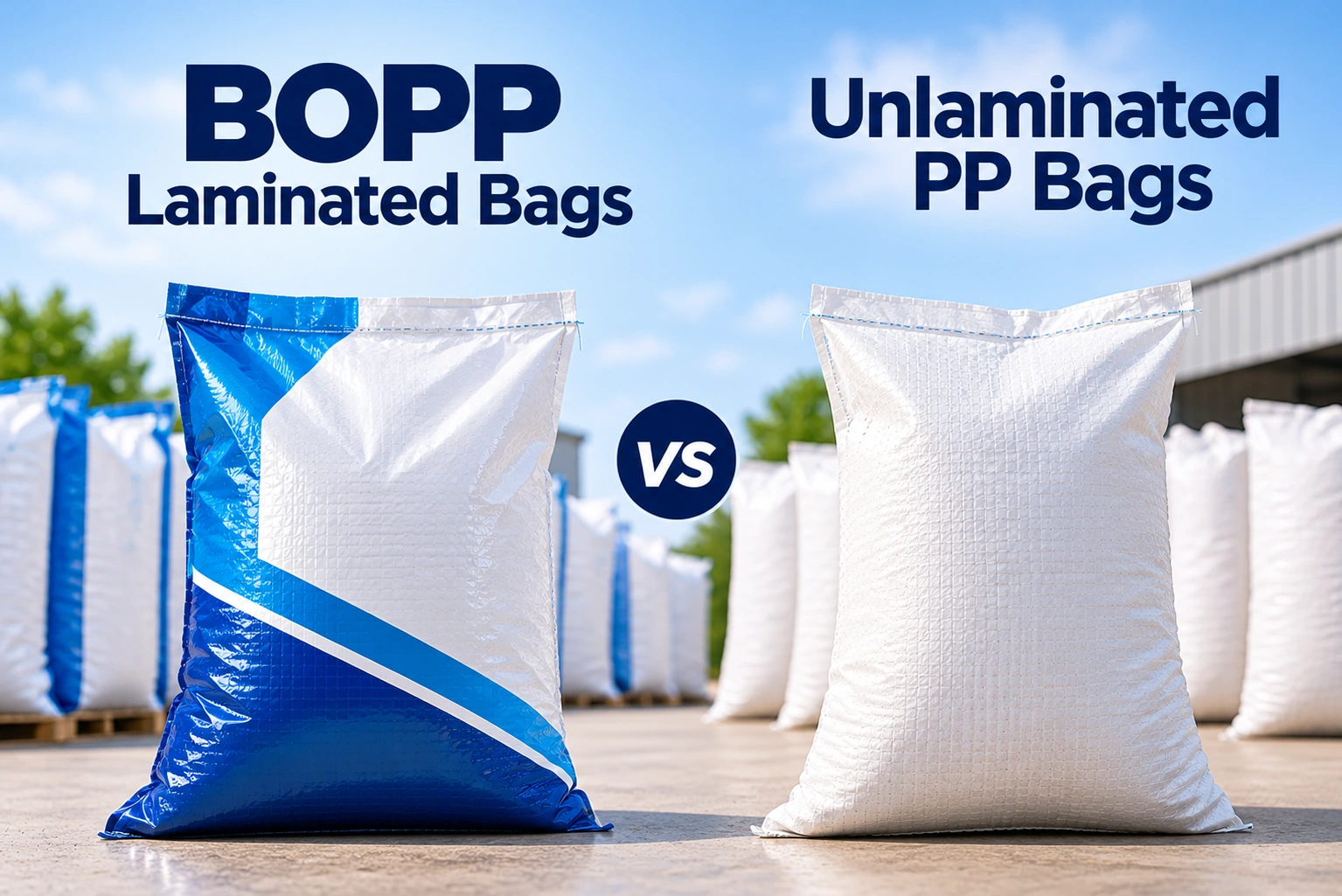
- Lamination type (unlaminated, PP laminated, BOPP laminated) and thickness
- Top and closure format (heat-cut, hemmed, valve, etc.)
- UV stabilization, if relevant to your storage/transit conditions
- Printing specification (number of colours, printing method)
If a quote comes back without these details clearly specified – or the supplier seems reluctant to commit to specifics in writing – that’s a strong signal to ask more questions before ordering, not after receiving the container.
3. Request Samples Before Committing to the Full Order
This sounds obvious, but it’s skipped more often than you’d expect, particularly under time pressure. A sample lets you physically verify:
- Tensile strength and seam quality
- Print clarity and colour accuracy against your artwork
- Lamination adhesion and finish
- Consistency with the specification quoted
Reputable exporters expect sample requests as a normal part of the process for new buyers, especially before a container-load commitment. Hesitation or resistance to providing samples is worth treating as a red flag.
4. Verify Certifications and Compliance Relevant to Your Industry
Depending on what you’re packaging and where it’s going, certain certifications aren’t optional extras – they’re the difference between your shipment clearing customs and passing your own buyer’s audit, or not.
Worth confirming, depending on your use case:
- ISO certification for quality management systems
- Food-grade or FSSC 22000-relevant compliance, if packaging food products
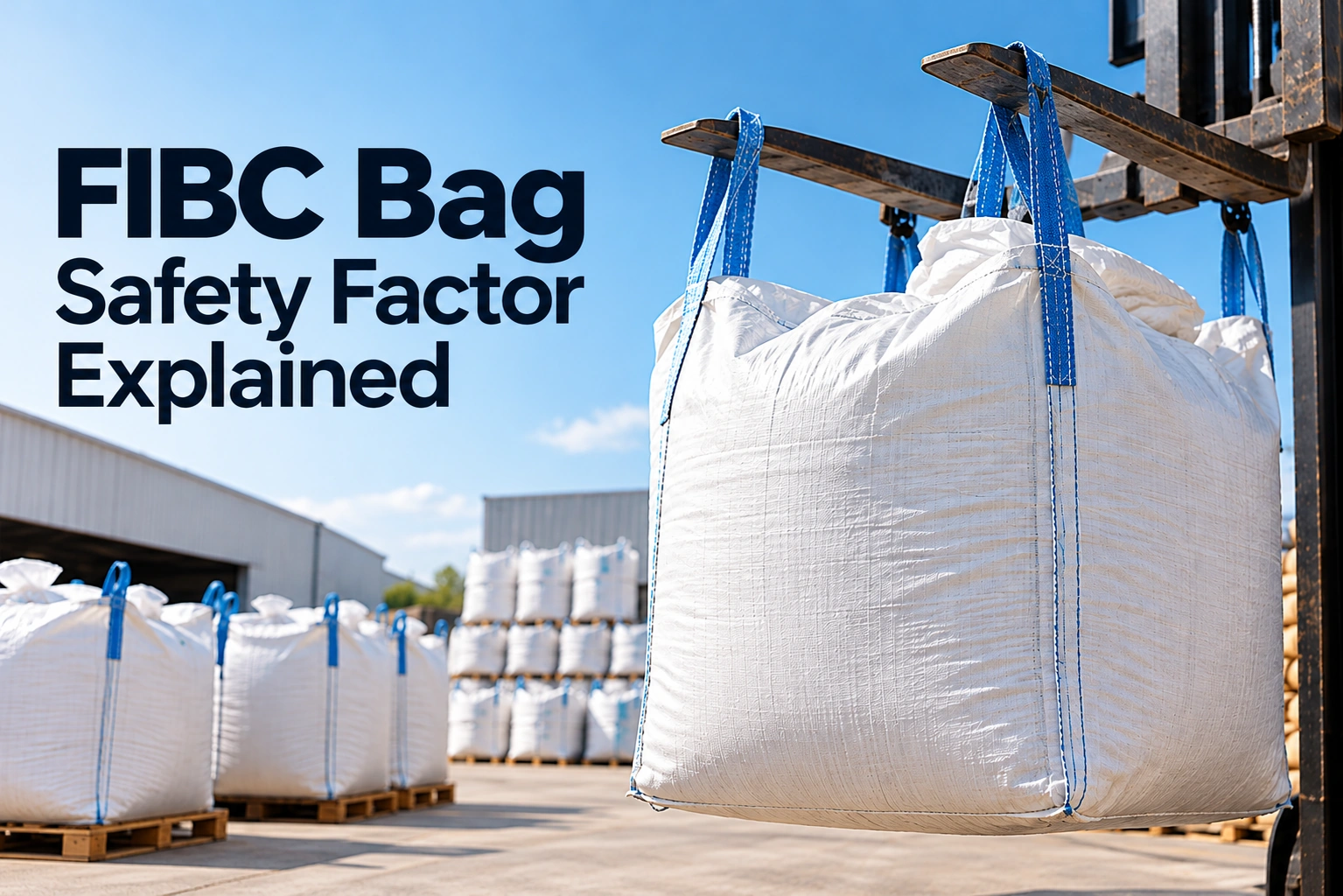
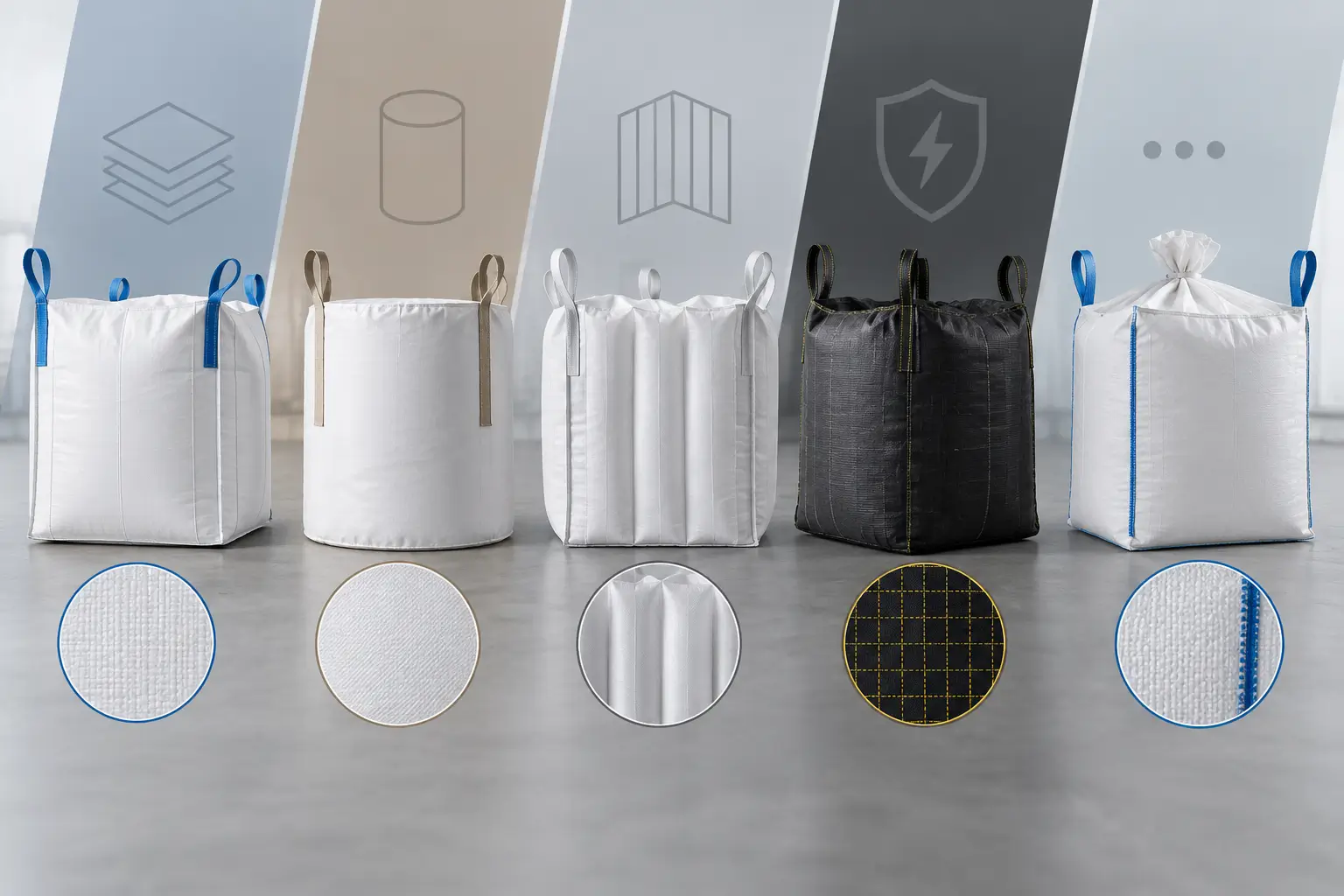
- Industry association membership (such as FIBCA or IFIBCA for bulk bag manufacturers), which signals adherence to recognized industry standards
- Compliance documentation required by your destination country (this varies significantly by region – confirm with your own import/compliance team what’s required before you order)
Ask for documentation directly rather than taking certification claims at face value – a legitimate exporter will have no issue providing it.
5. Look at Export Track Record and Destination Experience
An exporter who has shipped extensively to your specific region will already understand the packaging, labelling, container-loading, and documentation requirements that matter for that market – which meaningfully reduces the risk of customs delays or compliance rejections on your end.
What to ask:
- Which countries/regions do they currently export to, and for how long?
- Can they provide references or examples of buyers in your region or industry?
- Do they have experience with your specific product category (e.g., food-grade packaging, chemical packaging, agricultural bags)?
A supplier with genuine, longstanding export experience to your region is generally a safer bet than one making a first attempt at your market with your order.
6. Assess Production Capacity Against Your Order Timeline
Container-load orders can strain a smaller operation’s capacity, leading to delays, rushed quality control, or partial shipments. Before committing:
- Ask for a realistic production lead time for your specific order volume – and be skeptical of timelines that seem faster than the stated capacity should allow.
- Ask how your order fits into their existing production schedule, particularly during seasonal demand peaks (e.g., pre-monsoon fertilizer packaging demand, harvest-season agricultural packaging).
- Clarify whether your order will be split across multiple production runs, which can introduce batch-to-batch variation if not tightly controlled.
7. Clarify Payment Terms, Incoterms, and Documentation Process Upfront
Ambiguity here causes more disputes than almost any other part of the export process. Before finalizing an order, confirm in writing:
- Payment terms and schedule (advance, balance on shipment, letter of credit, etc.)
- Incoterms being used (FOB, CIF, CFR, etc.) and what each party is responsible for
- Who handles export documentation, and what documents you’ll receive (packing list, bill of lading, certificate of origin, quality certificates)
- Process for handling disputes, damaged goods, or quality discrepancies discovered after arrival
A supplier who provides clear, written answers to all of this before you place the order is demonstrating exactly the kind of operational discipline you want from a container-load supplier relationship.
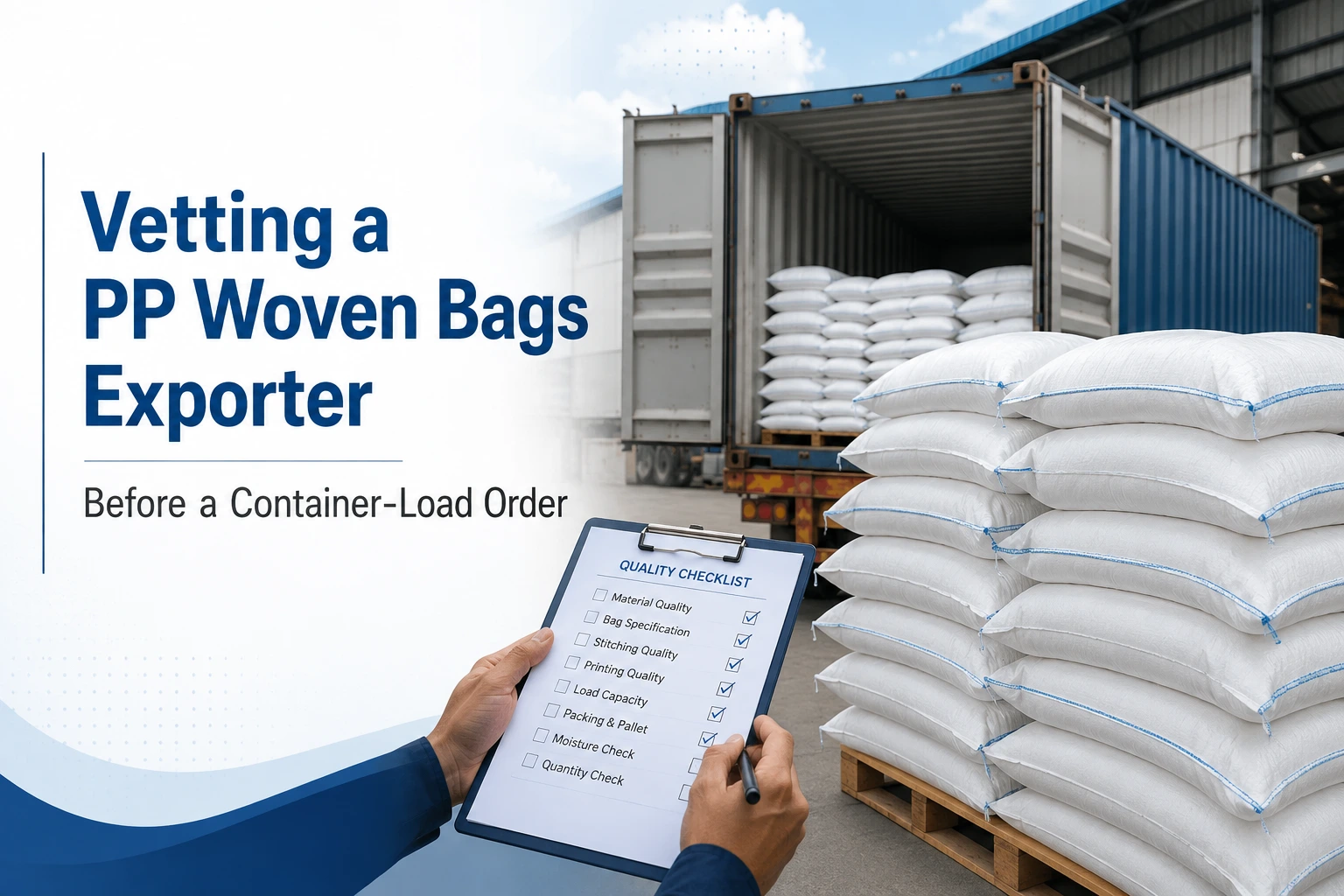
A Quick Exporter Vetting Checklist
| Check | Why It Matters |
| Confirmed factory ownership & capacity | Avoids relying on an unverified third-party supply chain |
| Detailed, written fabric specification | Prevents ambiguity disputes after delivery |
| Physical samples reviewed before order | Catches quality issues before container-scale commitment |
| Relevant certifications verified with documentation | Ensures customs clearance and compliance |
| Export experience to your specific region | Reduces risk of documentation/compliance delays |
| Realistic lead time confirmed against order volume | Avoids rushed production or missed deadlines |
| Payment terms & Incoterms agreed in writing | Prevents disputes over cost and responsibility |
Why Buyers Choose to Work With Aeroflex Neu
At Aeroflex Neu, we’ve manufactured and exported PP woven bags, BOPP laminated bags, and FIBC bags for over 25 years from our own 80,000+ sq. ft. facility in Udaipur, Rajasthan – not a trading intermediary. We export to Europe, Africa, the Middle East, Australia, Southeast Asia, the Caribbean, and Latin, Central, and North America, and we’re happy to walk prospective buyers through our facility, our specifications, and our quality control process before you commit to a container-load order.
Contact our team to request samples, discuss specifications, or ask any of the vetting questions above directly – or explore our PP Woven Bags range to see our full technical specifications.
Frequently Asked Questions
Should I always request samples before placing a container-load order?
Yes. Physical samples let you verify tensile strength, print quality, lamination, and overall consistency with what was quoted – this is standard practice with reputable exporters and shouldn’t be skipped regardless of order urgency.
What’s the difference between ordering from a manufacturer versus a trading company?
A manufacturer owns and operates its production facility, giving more direct control over quality, customization, and lead times. A trading company sources from third-party factories and resells – which isn’t necessarily a problem, but you should know which one you’re working with, since it affects accountability if quality issues arise.
What certifications should a PP woven bags exporter have?
This depends on your product and destination, but commonly relevant certifications include ISO quality management certification, FIBCA or IFIBCA membership for bulk bag manufacturers, and food-grade compliance (such as FSSC 22000-relevant standards) if you’re packaging food products.
How do I know if a quoted lead time is realistic?
Ask the exporter to explain their production capacity and how your order volume fits into their existing schedule – a supplier who can walk through this in specific detail is more likely to hit their stated timeline than one giving a generic answer.
What Incoterms should I understand before placing an export order?
Common Incoterms in this trade include FOB (Free on Board), CIF (Cost, Insurance, and Freight), and CFR (Cost and Freight) – each defines a different split of responsibility and cost between buyer and seller for shipping, insurance, and risk. Confirm which term applies to your quote and what it means for your responsibilities.
What should I do if I receive a damaged or non-compliant shipment?
This should be addressed before you order – ask your exporter upfront what their process is for handling quality discrepancies or damage discovered after arrival, and get their answer in writing as part of your order agreement.
Does Aeroflex Neu provide samples before container-load orders?
Yes. Aeroflex Neu provides samples so buyers can verify specification, strength, and print quality before committing to a full container-load order. Contact us to request samples for your specification.
Can Aeroflex Neu handle documentation and compliance requirements for my destination country?
Aeroflex Neu has export experience across Europe, Africa, the Middle East, Australia, Southeast Asia, and the Americas, and can advise on standard export documentation. Buyers should also confirm specific import compliance requirements with their own customs/compliance team for their destination country. Contact us to discuss your specific shipment requirements.