
PP valve bags for cement are designed to fill fast, close themselves and stay intact through handling, which is why cement plants and packers choose them to reduce spillage and speed up packing. A valve bag is filled through a built-in sleeve at one corner, so there is no stitching or sealing step after filling. This guide explains how PP valve bags for cement work, what specification to choose and what to ask your manufacturer. Explore Aeroflex Neu’s full range of PP woven bags to see the bag types available.
Table of Contents
ToggleHow PP valve bags for cement work
A valve bag is made from woven polypropylene fabric with a valve sleeve at one corner of the bag. The filling machine inserts a spout into the valve, and cement flows in until the target weight is reached. Aeroflex Neu describes its valve bags as designed for automated filling, with the valve self-sealing once the target weight is reached. The weight of the cement inside presses the sleeve shut, so the bag is ready to move without a separate closing operation. Because the bag is filled from the corner rather than the open top, less dust escapes during filling and handling.
Why PP valve bags for cement reduce spillage
Spillage in cement packing comes from three places: dust during filling, leakage at the closure and tearing during handling. PP valve bags for cement address each of these.
- Self-closing valve: no open mouth to leak, and no stitching line that can open under pressure.
- Woven polypropylene strength: the woven structure resists tearing and punctures, which helps bags survive loading, stacking and transport.
- Controlled air release: options such as micro-perforation help air escape during filling so bags fill evenly and sit flat.
- Lamination option: a PP or BOPP film layer can reduce sifting through the weave and give a cleaner outer surface.
How PP valve bags for cement speed up packing
Packing speed depends on how quickly a bag can be placed on the spout, filled and released. With a valve bag, the operator or an automatic applicator places the bag, the machine fills it and the bag drops off already closed. There is no sewing head, no heat sealer and no separate closing station to slow the line. Even small time savings per bag add up across thousands of bags a shift. Consistent bag dimensions also help automated applicators pick and place bags reliably, which is why width, length and valve position should be agreed with your manufacturer at the start.
Choosing the right specification for PP valve bags for cement
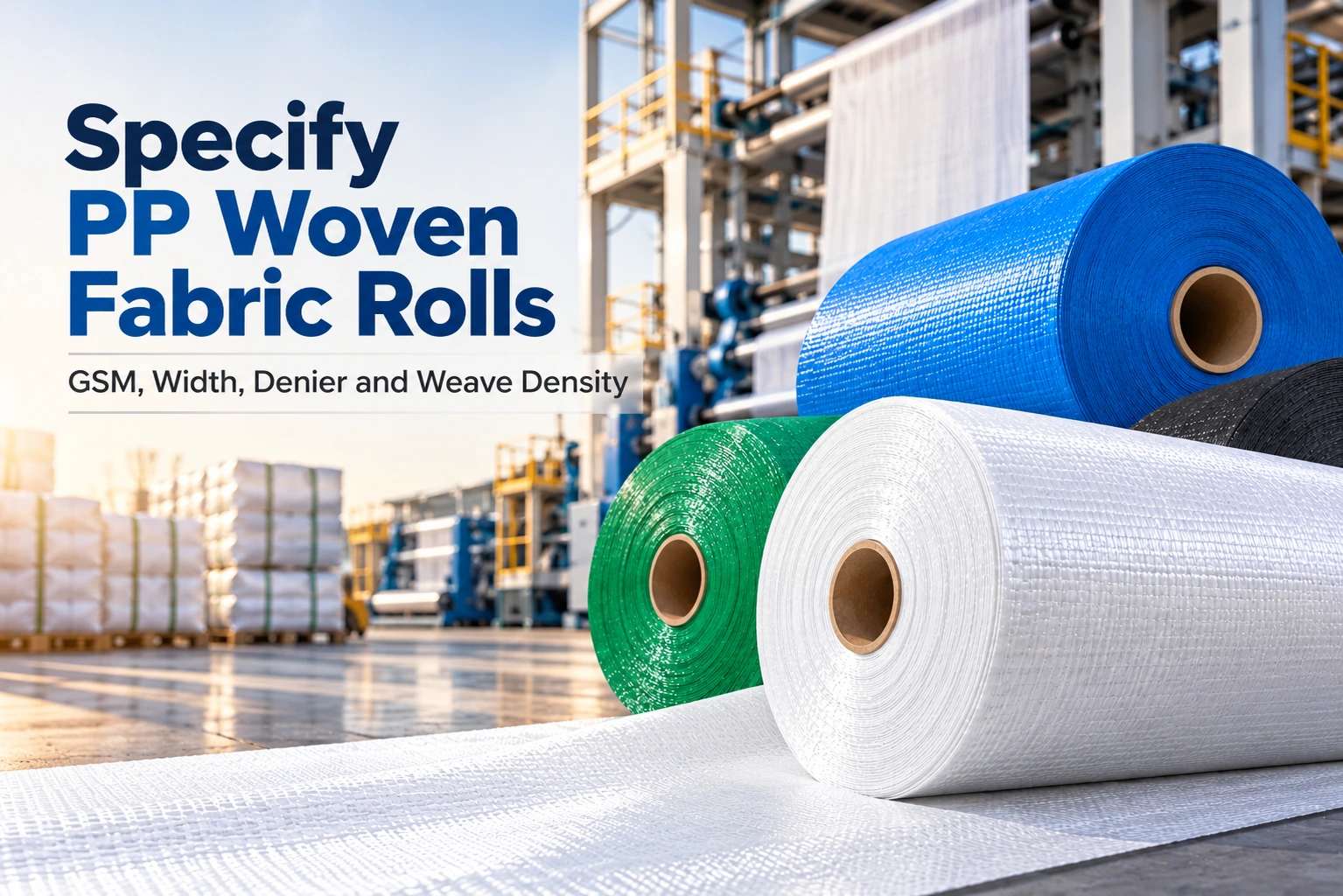
The table below uses the GSM guide published by Aeroflex Neu for woven bags, which covers a range of 50 to 140 GSM, along with the customisation options listed for its range. Always confirm the final specification with the manufacturer for your filling machine and cement grade.
Tier | Specification | Typical guidance | Why it matters |
Tier 1 | Fabric weight (GSM) | 75–90 GSM suits 20–35 kg packs such as fertiliser and cement; 90–110 GSM suits 50 kg cement and chemical packing | Balances strength against cost |
Tier 1 | Pack size | Bag width ranges from 45 to 148 cm in tubular form, with length customisable | Must match filling spout and pallet pattern |
Tier 2 | Mesh count | 10×10 to 14×14 available | Tighter weave helps reduce sifting of fine powder |
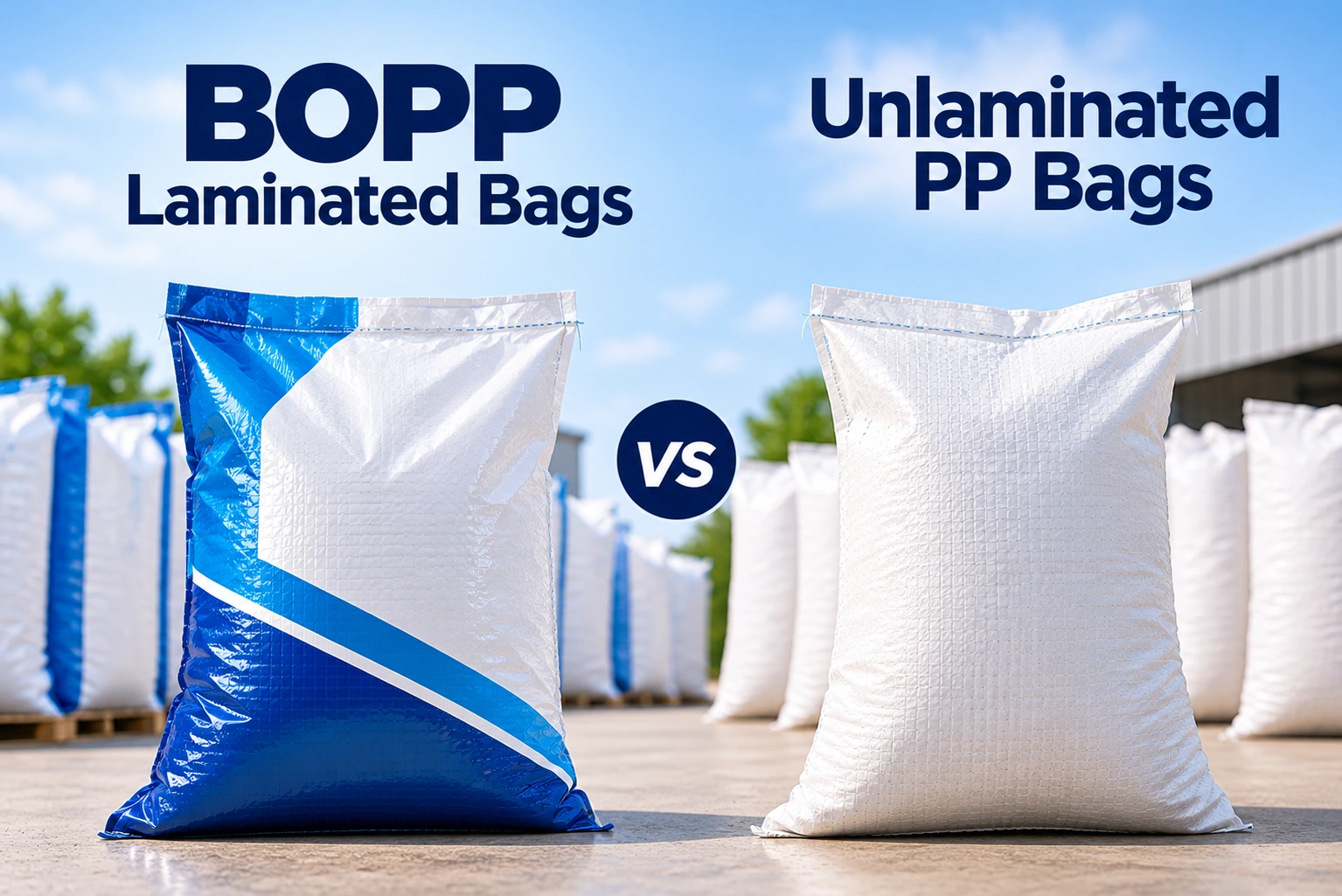
Tier 2 | Lamination | Unlaminated, or laminated with PP or BOPP film | Improves print quality and helps contain fine cement dust |
Tier 3 | Add-ons | UV stabilisation, micro-perforation, inner PE liner, six-colour flexographic printing | Supports outdoor storage, filling and branding |
Unlaminated or laminated PP valve bags for cement
Unlaminated woven bags are breathable and cost less, while laminated bags have a film bonded to the surface. For fine powder like cement, a laminated bag can reduce dust leakage and gives a smoother surface for printing. Aeroflex Neu notes that laminated bags give sharp, glossy, high-colour-count printing, while print on unlaminated bags is possible but less crisp. If your brand relies on shelf appeal, consider BOPP laminated woven bags, and read the comparison in BOPP laminated woven bags vs unlaminated PP bags.
Questions to ask before you order PP valve bags for cement
- Which valve type and valve position suit my filling machine?
- What GSM and mesh count do you recommend for my cement grade and pack size?
- Can you add micro-perforation, UV stabilisation or an inner liner if needed?
- What printing options are available and what is the minimum order quantity?
- How do you inspect bags during manufacturing, and what happens if a batch has defects?
- Can you supply samples for a trial on my line?
Run a trial with a small batch before moving to full volume, and record bag breakage, filling time and leakage so you can compare it with your current bag.
Where PP valve bags for cement fit among other bag types
Valve bags are one of several formats in the range. Open-mouth bags are filled from the top and closed by stitching or sealing, which suits products that need visual checking or manual filling. Valve bags suit free-flowing powders filled on automatic lines. For compact stacking of loose goods, see what PP box bags are and when to use them, and for fertiliser packing see bag design factors for bulk fertiliser packaging. Aeroflex Neu serves cement along with fertilisers, chemicals, minerals, food products and other industries.
Handling and storage tips for cement packed in woven bags
Even a strong bag benefits from good handling. Stack on pallets away from the ground, keep stacks stable and avoid dragging bags over rough surfaces. Keep stored bags out of continuous rain and direct sun unless they are UV stabilised, and use a first-in, first-out order so older stock moves first. Polypropylene is a durable plastic, as explained in this overview of polypropylene, but good practice still prevents avoidable damage.
Common mistakes when buying PP valve bags for cement
Most problems come from mismatches between the bag and the filling line. A valve that is too wide or too narrow for the spout slows filling and causes leaks. A fabric that is too light for a 50 kg pack tears under stacking, while one that is heavier than needed adds cost. Skipping a line trial is the most expensive mistake, because issues such as air trapped during filling, bags that do not sit flat on the pallet or dust on the outer surface only show up in real use. Share your filling machine details, pack weight and storage conditions with the manufacturer up front, ask for samples and measure breakage, filling time and cleanliness before you commit to a full order.
Explore More from Aeroflex Neu
Use these links to go straight to the products and guides mentioned in this article.
- Products: PP woven bags | PP woven fabric | BOPP laminated woven bags | PP box bags | FIBC bags | PP woven silt fence | PP woven ground cover
- Guides: BOPP laminated vs unlaminated PP bags | Bulk packaging for fertilizers | How to specify PP woven fabric rolls
- Company: About Aeroflex Neu | Petrochemicals | Blog | Contact us
Get PP valve bags for cement made to your specification
PP valve bags for cement help you pack faster, spill less and deliver cleaner bags to your customers. The right GSM, mesh count, lamination and valve design depend on your filling line and product, so choose these with your manufacturer and test them before scaling up. Aeroflex Neu manufactures PP woven bags, including valve bags, in its Udaipur facility, with customisation for size, colour, printing and add-ons.
Looking for valve bags for your cement plant? Share your pack size and filling machine details. Call +91 294 2490534, email customer.care@aeroflexneu.com or contact Aeroflex Neu online with your requirement and our team will guide you on specification, customisation and quotation.
Frequently Asked Questions
What are PP valve bags for cement?
They are woven polypropylene bags with a built-in valve sleeve at one corner, filled by machine and closed by the weight of the product.
How do PP valve bags for cement reduce spillage?
The self-closing valve removes the open mouth, the woven fabric resists tearing and options like lamination and micro-perforation reduce dust and leakage.
Do PP valve bags for cement speed up packing?
Yes. There is no separate sewing or sealing step, so a filled bag drops off already closed, which helps lines run faster.
What GSM is suitable for 50 kg cement bags?
Aeroflex Neu’s guide suggests 90–110 GSM for 50 kg cement and chemical packing. Confirm the exact fabric weight with the manufacturer.
Should cement valve bags be laminated?
Laminated bags help contain fine powder and print better. Unlaminated bags are breathable and lower in cost. Your product and branding needs decide.
Can the bags be printed?
Yes. Aeroflex Neu offers six-colour flexographic printing, with sharper results on laminated bags.
Can valve bags have an inner liner or UV protection?
Customisation includes UV stabilisation, micro-perforation and an inner PE liner, subject to your requirement.
What sizes are available?
Packs range from 5 kg to 100 kg, with tubular widths from 45 to 148 cm and customisable length.
Is there a minimum order quantity?
Minimum order quantities apply. Contact the team for details on your specification.
How do I request a quote or samples?
Call +91 294 2490534, email customer.care@aeroflexneu.com or use the contact page with your size, GSM and quantity.