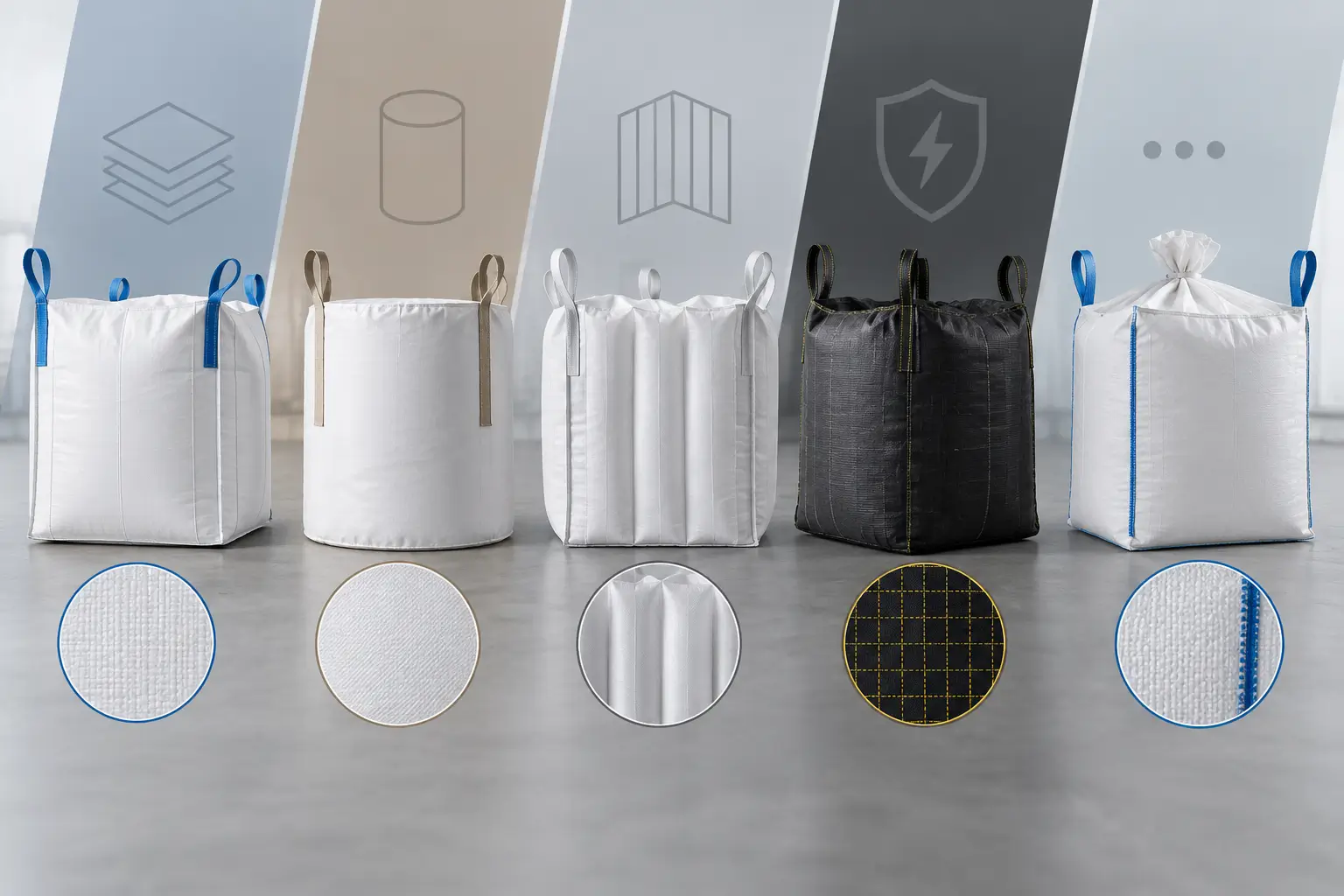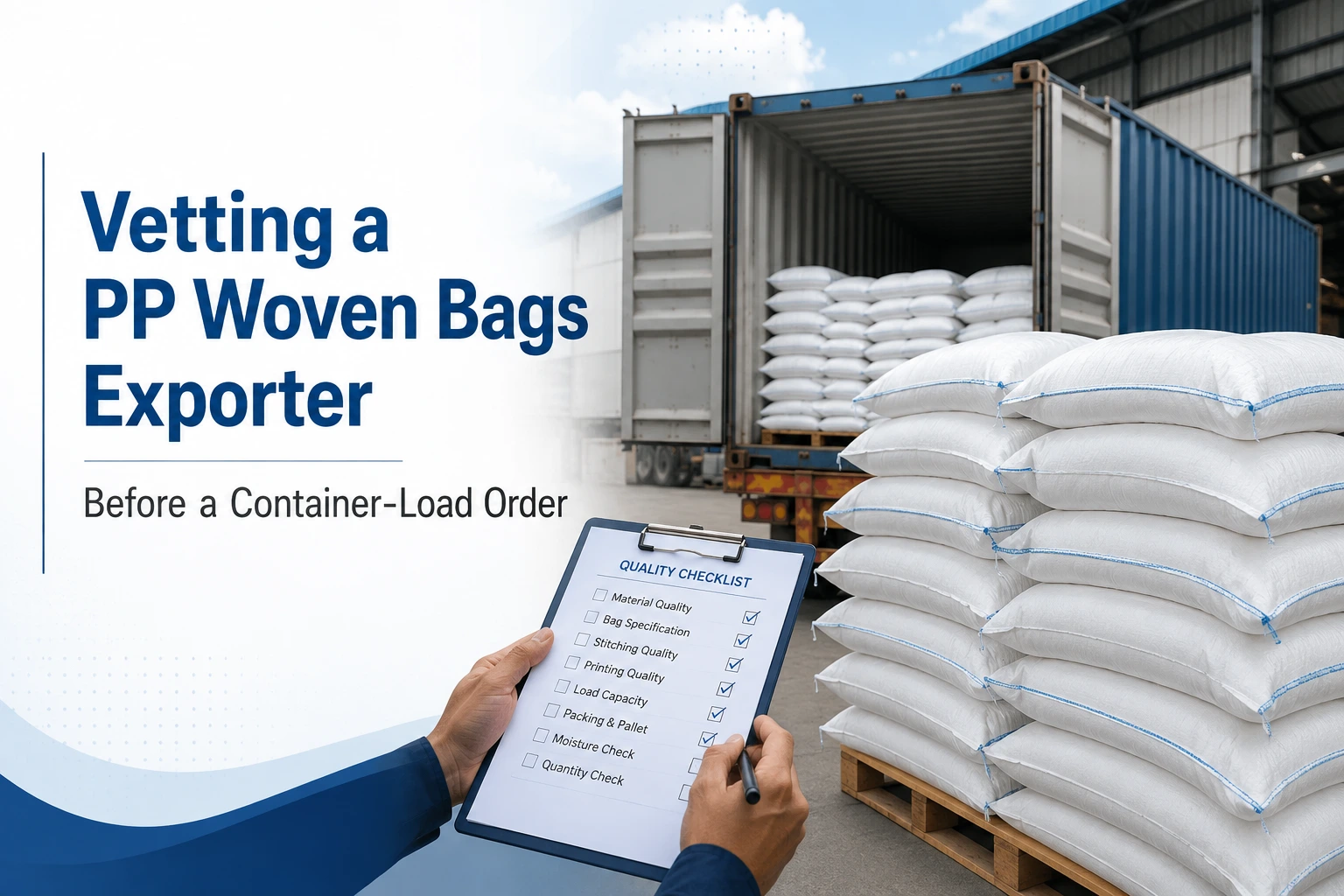
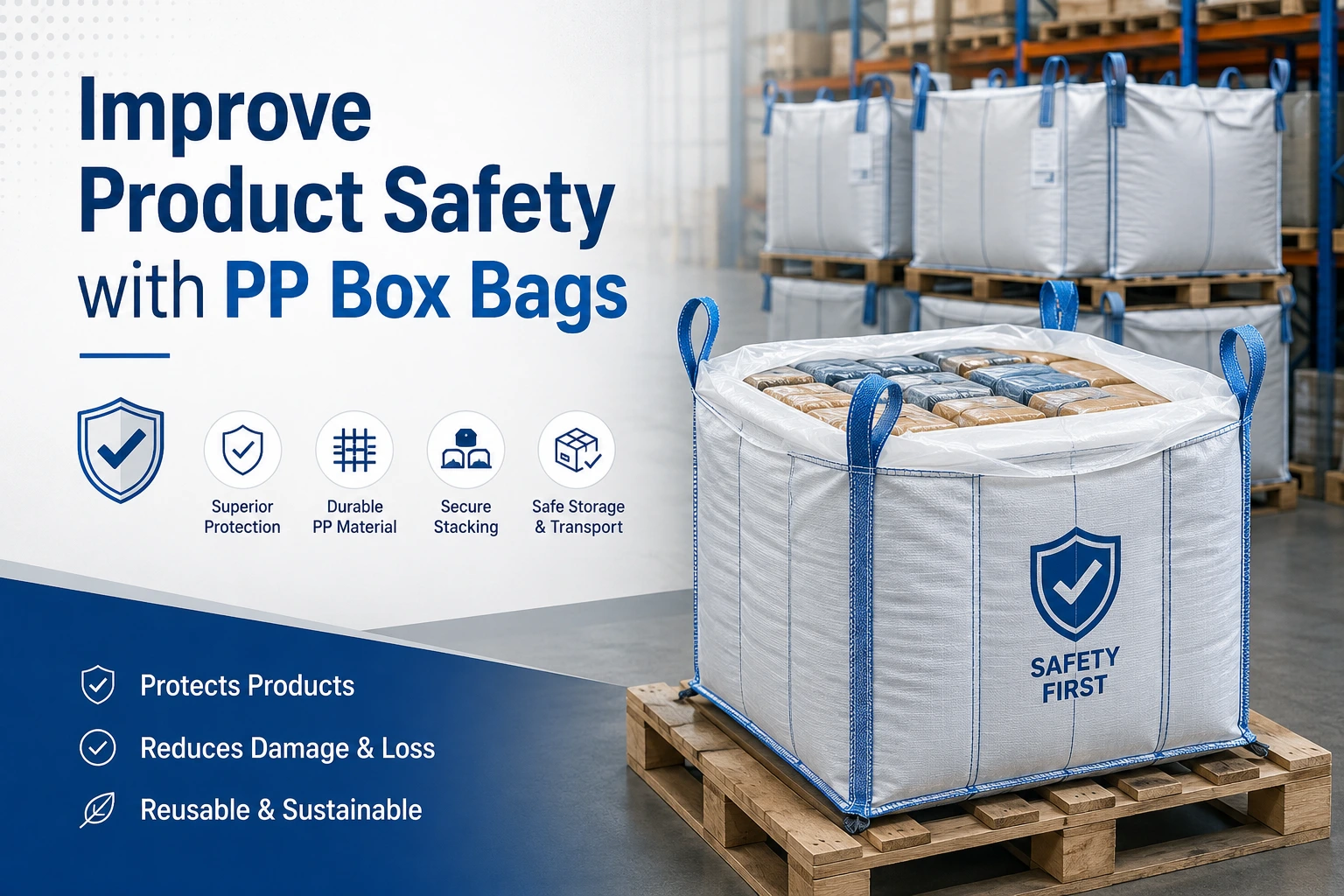
Every year, thousands of tonnes of grain, cement, chemicals, and food products are lost or damaged in India simply because of weak, torn, or poorly designed packaging. PP Box Bags are changing that story. Built from high-tensile polypropylene and engineered for stacking strength, these bags are quickly becoming the packaging format of choice for manufacturers, exporters, and distributors who cannot afford product damage, contamination, or compliance failures.
PP Box Bags combine the durability of woven polypropylene with a rigid, box-like structure that keeps loads stable during transit, storage, and export shipping. If you’re exploring PP Box Bags for your business, understanding how they improve product safety can help you cut losses, meet global buyer standards, and protect your brand reputation in 2026 and beyond.
In this guide, we’ll break down why PP Box Bags matter for Indian exporters, how they’re priced in 2026, and how Aeroflex Neu is helping businesses across India ship safer, smarter, and more sustainably.
Why are PP Box Bags important for Indian exporters in 2026?
PP Box Bags matter because India’s packaging and export economy is expanding fast, and weak packaging is one of the biggest hidden costs exporters face. India’s plastics industry recorded 8% export growth in FY 2024-25, with total export value reaching USD 12.5 billion, according to PLEXCONCIL data. Within this, FIBC woven sacks, woven fabrics, and tarpaulin exports grew by 24.1% in the first months of FY26 alone.
PP Box Bags are riding this same growth curve. As Indian agriculture, cement, chemicals, and food-processing sectors scale up production, buyers are demanding packaging that survives long-haul shipping, monsoon humidity, and rough port handling without failure.
At Aeroflex Neu, we manufacture PP Box Bags specifically engineered to meet these rising export standards, combining high load-bearing strength with moisture and UV resistance for both domestic and international shipments.
How does poor packaging compromise product safety?
PP Box Bags exist to solve a very real, very costly problem: product loss from inadequate packaging. Weak bags tear during forklift handling, split under stacked warehouse pressure, or let moisture in during coastal transit.
Common packaging failures include:
- Seam bursts caused by low-denier fabric under heavy loads
- Moisture ingress that spoils grains, fertilizers, or food-grade contents
- UV degradation during long outdoor storage before export
- Puncture damage from sharp-edged industrial materials like metal scrap or minerals
PP Box Bags address each of these risks through reinforced weaving, lamination options, and box-style construction that distributes weight evenly across the base and walls.
How does Aeroflex Neu ensure high-quality PP Box Bags?
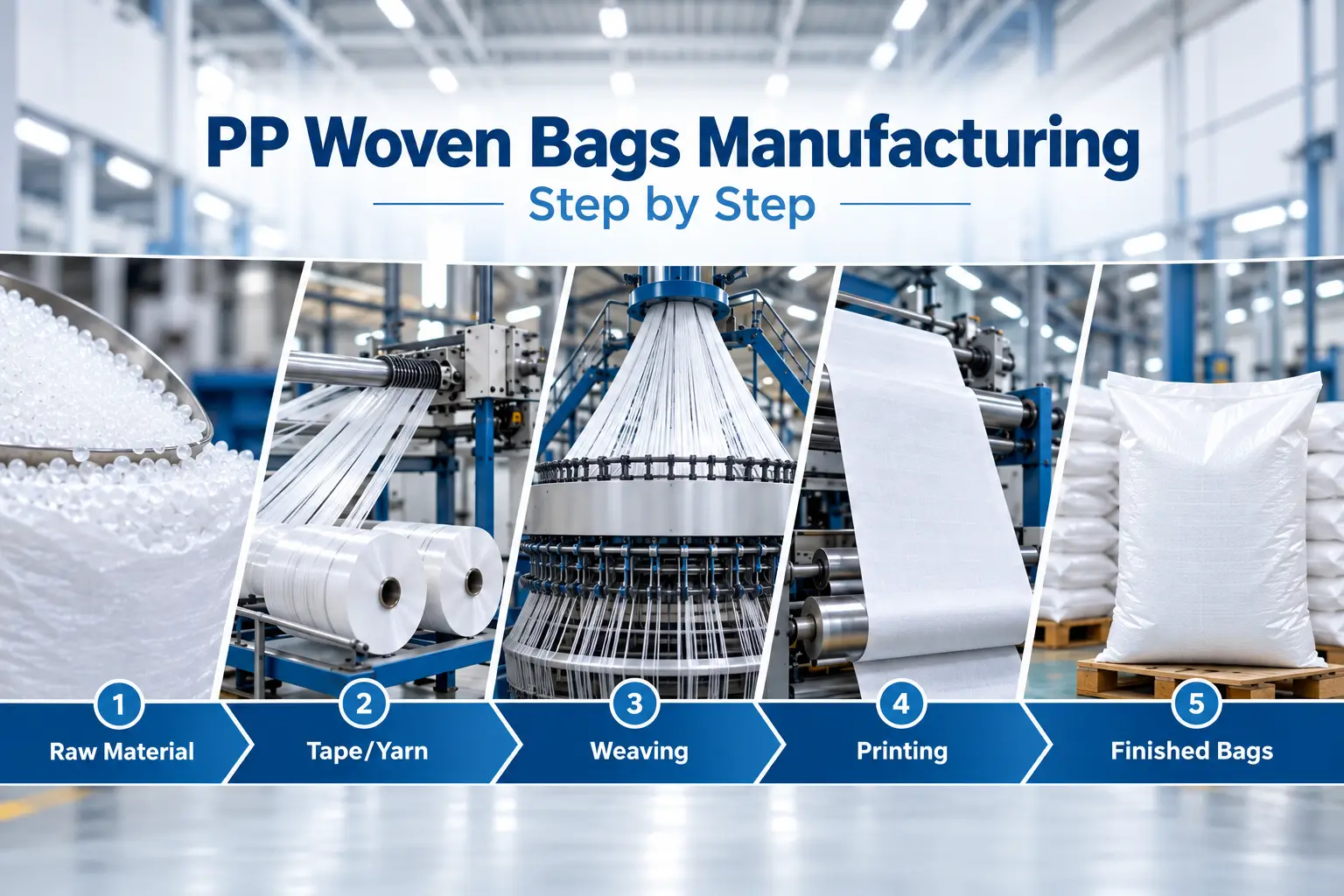
Aeroflex Neu’ approach to quality starts at the raw material stage. We use virgin and high-grade recycled polypropylene granules, tested for tensile strength before extrusion even begins.
PP Box Bags from our facility go through multiple quality checkpoints:
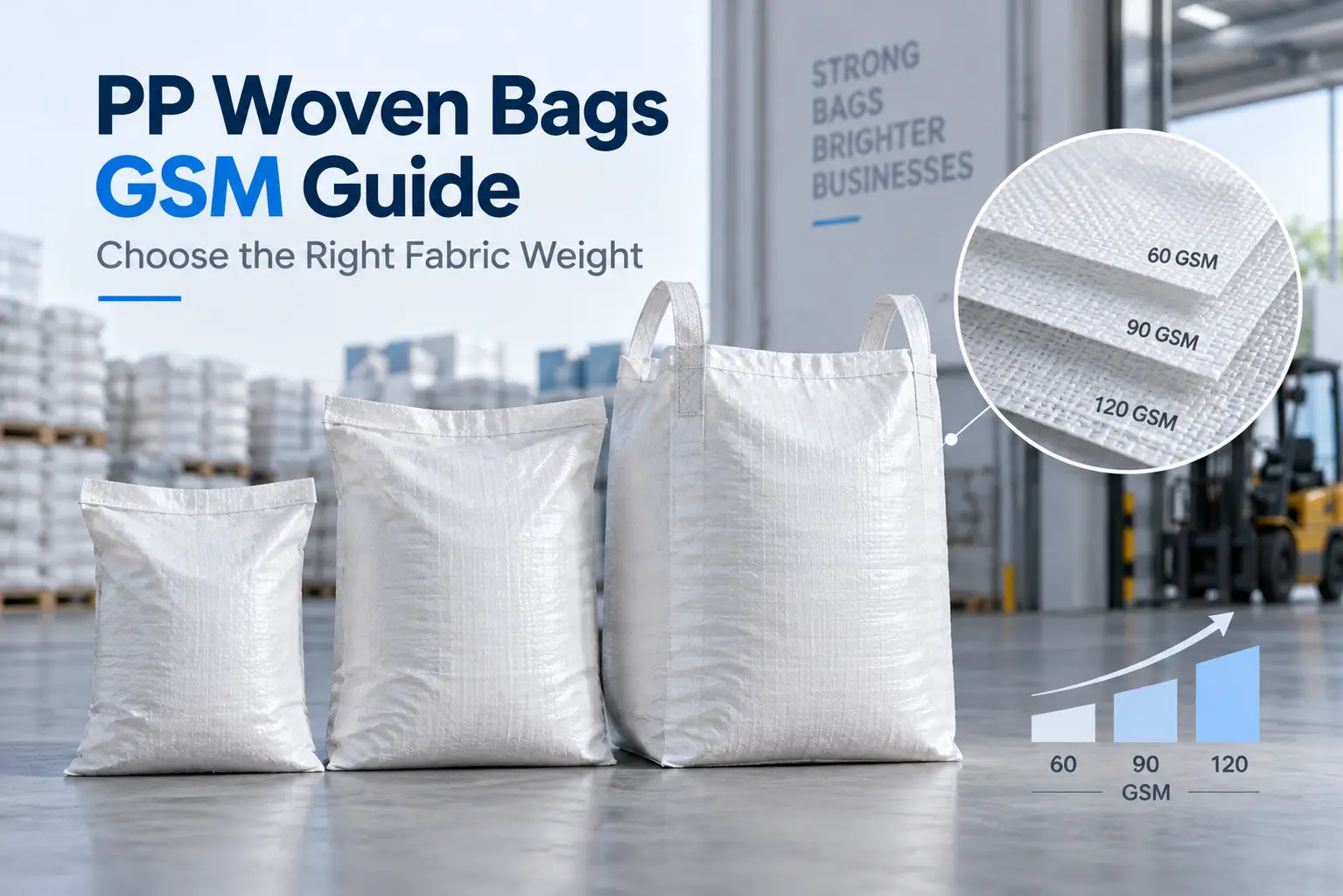
- Fabric GSM (grams per square metre) testing for consistent strength
- Stitching and seam-strength verification for heavy-load applications
- UV stabilization testing for outdoor storage durability
- Optional food-grade lamination for direct-contact packaging
According to Aeroflex Neu’ 2026 India market insights, exporters are increasingly requesting third-party lab certifications alongside standard quality checks, especially for shipments heading to the EU, US, and Middle East markets where compliance scrutiny has intensified.
What industries in India rely on PP Box Bags for safety-critical packaging?
PP Box Bags serve a wide spread of Indian industries, each with distinct safety requirements. Sales of woven bags in India are estimated to record a CAGR of 5.7% through 2035, driven largely by agriculture and industrial demand.
Key sectors using PP Box Bags include:
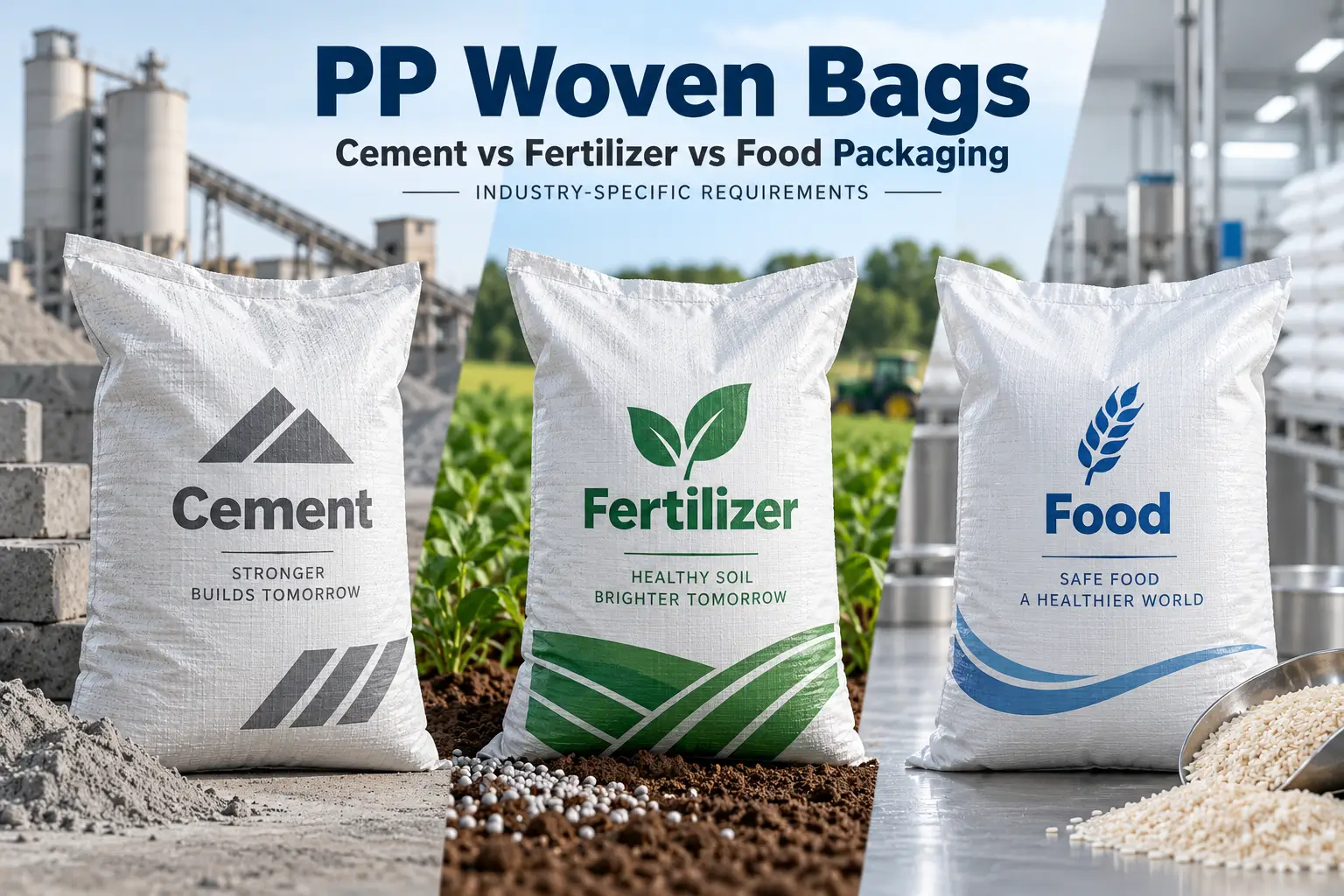
- Agriculture: grains, pulses, seeds, and fertilizers requiring breathable yet tear-resistant packaging
- Construction: cement, sand, and aggregates needing heavy-duty, puncture-resistant bags
- Chemicals and fertilizers: powders and granules that demand moisture barriers and chemical compatibility
- Food processing: rice, spices, and dry ingredients requiring food-grade, contamination-free packaging
- Export logistics: bulk commodities shipped internationally where box-stacking stability reduces cargo damage claims
How do PP Box Bags support sustainable packaging goals?
PP Box Bags are reusable, recyclable, and significantly lighter than jute or metal alternatives, which directly reduces transport emissions and fuel costs. This matters more than ever as Indian regulators tighten plastic packaging norms.
Under India’s Extended Producer Responsibility (EPR) framework, brand owners are increasingly held accountable for the post-consumer life of plastic packaging, pushing manufacturers toward recycled-content resins and reusable formats.
PP Box Bags fit neatly into this shift because they can be engineered as multi-trip, reusable containers rather than single-use sacks. Aeroflex Neu’ high-strength PP woven bags ensure multiple reuse cycles without compromising structural integrity, helping clients lower both their environmental footprint and long-term packaging costs.
Are PP Box Bags suitable for food-grade applications?
PP Box Bags can absolutely be used for food-grade applications when manufactured under strict hygiene and material controls. Food-safe PP Box Bags are typically produced with BOPP or laminated liners that prevent direct product contact with the woven fabric and block moisture and pest intrusion.
India’s food bags market is projected to grow from roughly USD 2.8-3.2 billion in 2026 to USD 5.5-6.5 billion by 2035, with dry foods and ingredients like rice, pulses, and spices representing a meaningful share of that demand, primarily packed in woven PP formats.
For food-grade orders, Aeroflex Neu follows FSSAI-aligned hygiene practices during production, ensuring bags are safe for direct contact with dry food commodities destined for both domestic retail and export markets.
What is the 2026 price range for PP Box Bags in India?
PP Box Bags in India are typically priced based on size, GSM (fabric weight), lamination, and order volume. As a realistic 2026 estimate for the Indian market:
- Standard PP Box Bags (25–50 kg capacity): approximately ₹14 to ₹28 per bag for bulk orders
- Laminated/food-grade PP Box Bags: approximately ₹22 to ₹40 per bag depending on liner specification
- Heavy-duty industrial PP Box Bags (cement, chemicals): approximately ₹30 to ₹55 per bag
- Custom printing and branding charges: an additional ₹1.5 to ₹4 per bag depending on colour count and design complexity
Bulk orders of 50,000+ units typically unlock 8–15% price reductions, while export-oriented orders may involve additional costs for compliance labelling, palletization, and container-specific packing, generally adding ₹3 to ₹7 per unit depending on destination country requirements.
Domestic freight within India for palletized PP Box Bag shipments generally ranges from ₹4,000 to ₹12,000 per truckload depending on distance, while export sea-freight costs vary widely by destination port and container load, so exporters should always request a shipment-specific quote.
How does PP Box Bag customization work for exporters?
PP Box Bags can be customized across size, colour, printing, lamination type, and closure style to match both branding needs and destination-market regulations. Exporters shipping to the EU or Middle East, for example, often require specific labelling formats, recyclability symbols, or multilingual printing.
At Aeroflex Neu, we manufacture PP Box Bags with flexible customization options, including private-label branding, food-grade lamination, and export-compliant labelling, so businesses can meet buyer specifications without managing multiple vendors.
How is global demand for PP woven packaging trending in 2026?
Global demand for PP woven packaging continues to climb as construction, agriculture, and chemical industries expand across Asia, Africa, and the Middle East. The global PP woven bags market was valued at USD 5.11 billion in 2025 and is projected to reach USD 7.37 billion by 2033, growing at a CAGR of 4.68%.
India is positioned as a major beneficiary of this trend. Rapid infrastructure development across India, China, Indonesia, and Vietnam is generating strong demand for bulk packaging solutions, while Indian manufacturers benefit from cost-competitive production and improving quality certifications.
PP Box Bags exported from India increasingly compete on both price and compliance, giving Indian manufacturers an edge in markets that previously relied on Chinese or European suppliers.
People Also Ask
Are PP Box Bags waterproof?
PP Box Bags are naturally water-resistant due to the polypropylene material, and can be made fully waterproof with BOPP lamination or a polyethylene liner for moisture-sensitive contents.
Can PP Box Bags be recycled?
Yes, PP Box Bags are made from polypropylene, a recyclable thermoplastic, and can be reprocessed into new packaging or industrial products at the end of their usable life.
What sizes do PP Box Bags typically come in?
PP Box Bags commonly range from 5 kg small-format bags to 50 kg industrial sizes, with custom dimensions available for specific machinery or export container requirements.
Do PP Box Bags meet international export standards?
PP Box Bags can be manufactured to meet ISO, BIS, and destination-country labelling requirements, making them suitable for exports to the US, EU, Middle East, and Southeast Asian markets.
Conclusion
PP Box Bags are no longer just a packaging option – they’re becoming a competitive necessity for Indian manufacturers, exporters, and distributors who need to protect products, reduce losses, and meet rising global compliance expectations. From agriculture to chemicals to food-grade applications, the right PP Box Bag can be the difference between a shipment that arrives intact and one that generates costly claims.
Aeroflex Neu’ high-strength PP woven bags ensure that businesses across India and international markets get packaging built for real-world handling, not just laboratory conditions. Whether you need standard industrial bags, food-grade lamination, or export-compliant customization, partnering with an experienced manufacturer helps you scale safely and sustainably into 2026 and beyond.
FAQ
1. What are PP Box Bags used for?
PP Box Bags are used to package and transport bulk materials such as grains, cement, fertilizers, chemicals, and food ingredients, offering strength, stackability, and moisture resistance.
2. How strong are PP Box Bags compared to jute bags?
PP Box Bags generally offer higher tensile strength and better moisture resistance than jute bags, while being lighter and more cost-effective for long-distance and export shipping.
3. Are PP Box Bags food safe?
PP Box Bags can be made food safe when produced with food-grade liners and manufactured under hygienic conditions suitable for direct contact with dry food products.
4. What is the typical bulk price of PP Box Bags in India in 2026?
Bulk PP Box Bags in India typically range from around ₹14 to ₹55 per bag in 2026, depending on size, lamination, and order volume, with additional charges for custom printing or export compliance.
5. Can PP Box Bags be customized for branding?
Yes, PP Box Bags support multi-colour printing, private labelling, and export-specific labelling formats to match both marketing and international compliance needs.
6. How long do PP Box Bags last for reuse?
Depending on handling conditions and fabric quality, PP Box Bags can typically be reused across multiple shipping or storage cycles before recycling becomes the better option.