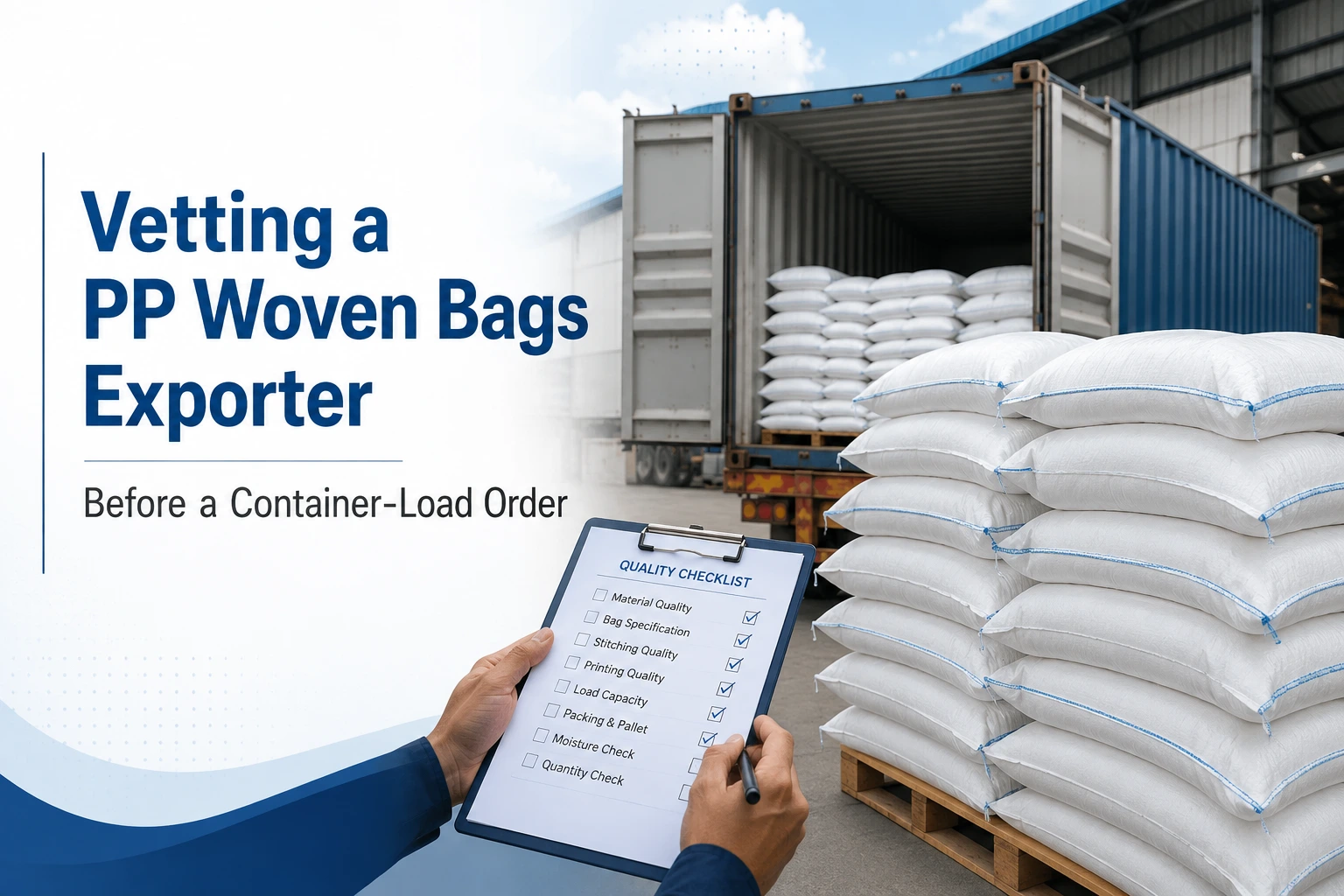
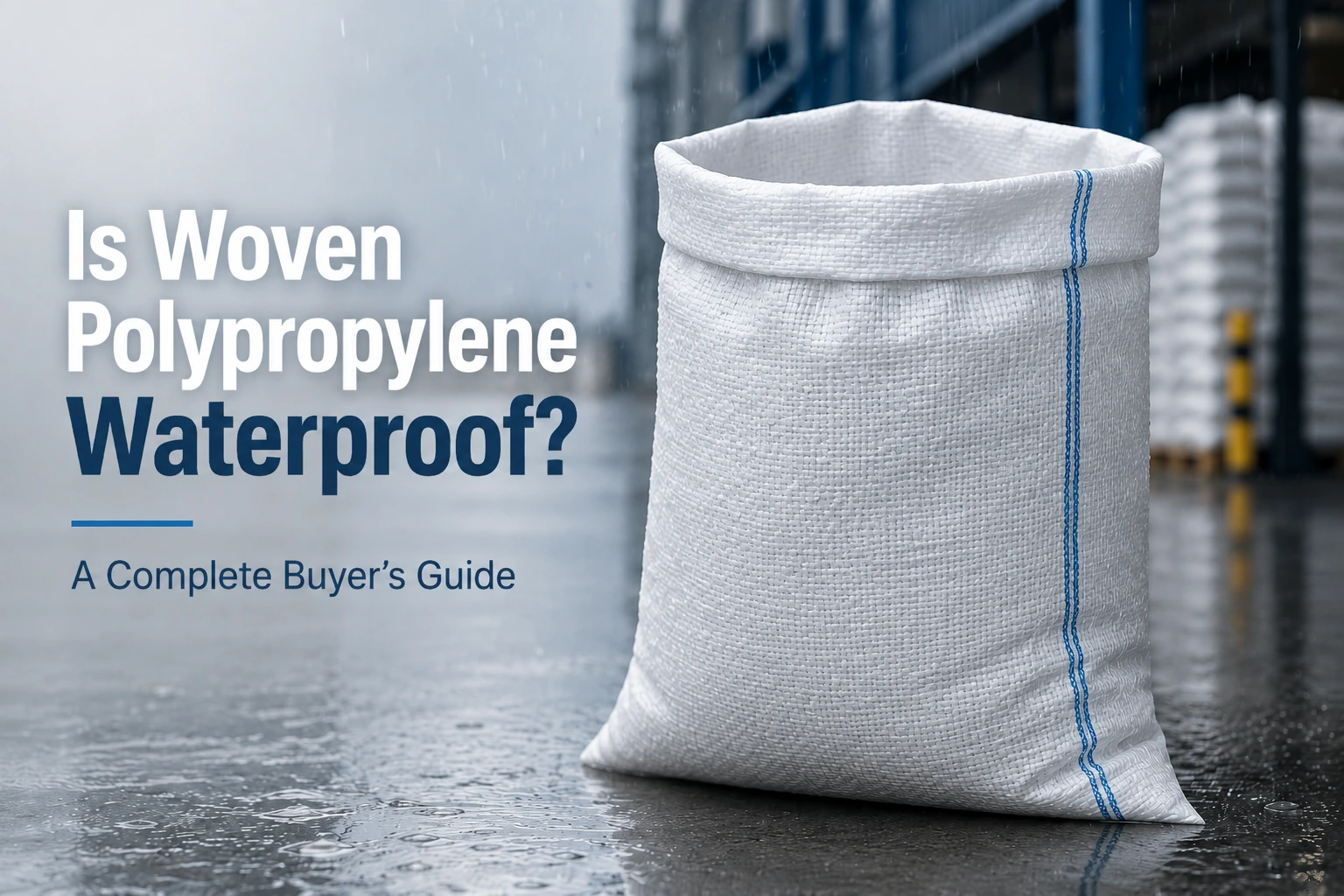
Woven Polypropylene is one of the most searched packaging questions among Indian exporters, distributors, and procurement managers heading into 2026 – and for good reason. As agricultural commodities, cement, chemicals, and processed foods move through longer and rougher supply chains, buyers need packaging that survives monsoon warehouses, humid ports, and multi-leg ocean freight without failing.
Woven Polypropylene bags are not automatically 100% waterproof in their raw, uncoated form – but with the right lamination, coating, or liner, they can be made highly water-resistant and even fully waterproof for demanding applications. This guide breaks down exactly when PP woven sacks repel water, when they don’t, and how to choose the right specification for your industry. Along the way, we’ll bring in current 2026 Indian market data, export trends, and pricing benchmarks so you can make a confident buying decision – and if you want to explore ready specifications directly, Aeroflex Neu’s PP woven bags range is built precisely around these real-world requirements.
What Is Woven Polypropylene, exactly?
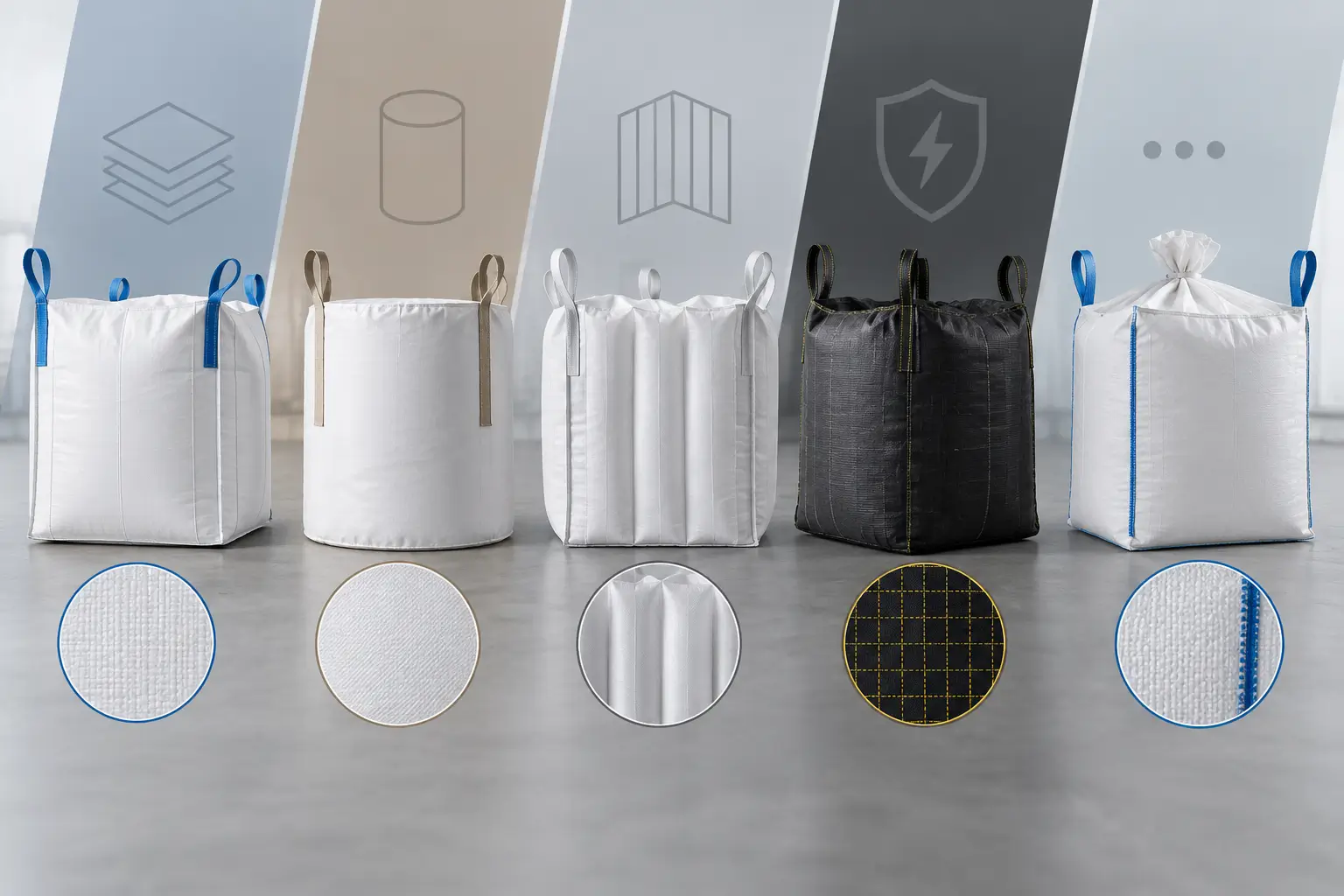
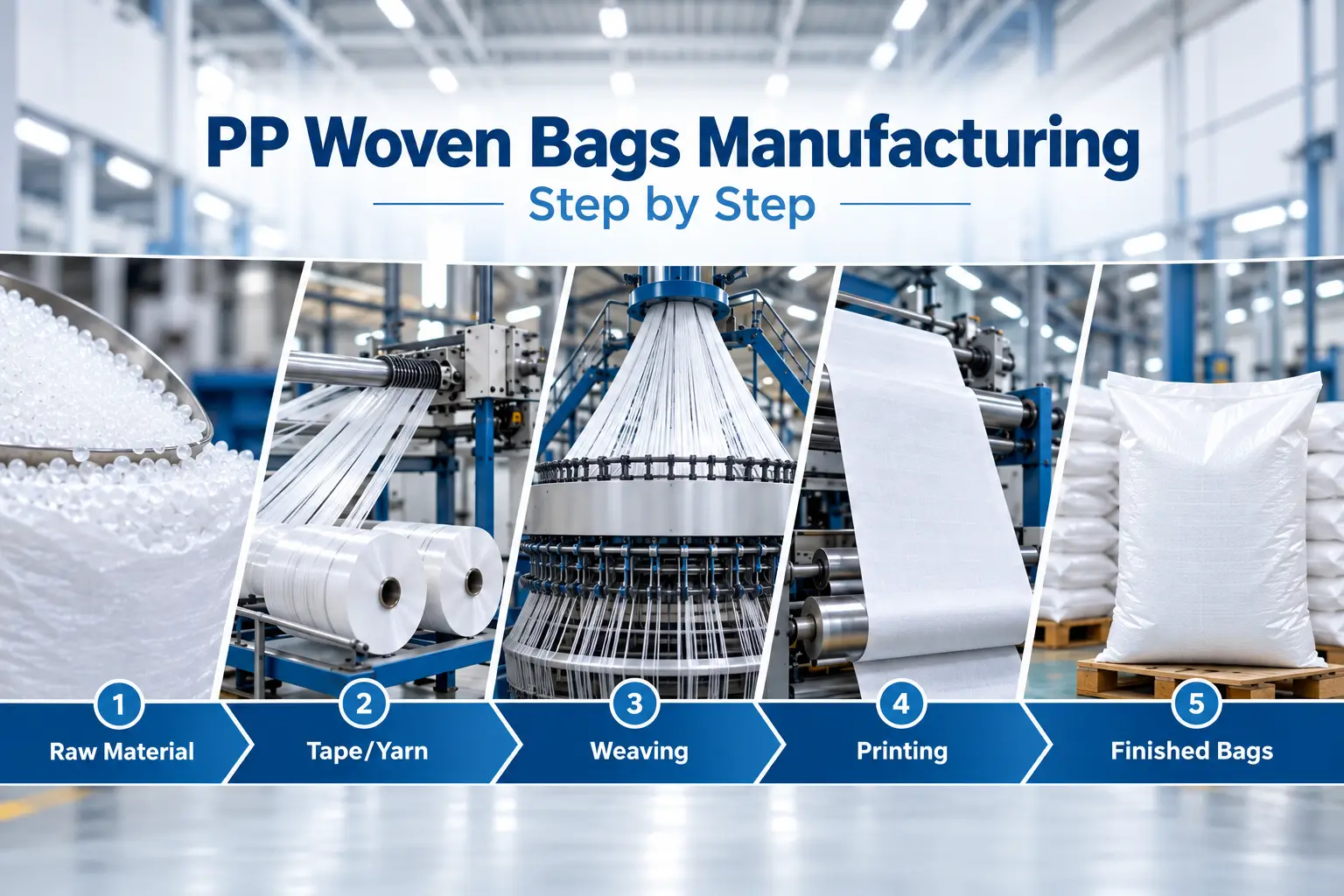
Woven Polypropylene (WPP) is a fabric created by extruding polypropylene resin into flat tapes, then weaving them into a crisscross grid on circular or flat looms. The result is a lightweight but remarkably tough material used to make sacks, FIBCs (jumbo bags), tarpaulins, and industrial liners.
Woven Polypropylene gets its strength from the tape-weaving process itself, not from any coating. This is why raw WPP fabric, while tough, has small gaps between the woven strands – gaps that plain water can eventually seep through under pressure or prolonged exposure.
Is Woven Polypropylene Waterproof or Just Water-Resistant?
Woven Polypropylene in its plain, uncoated form is water-resistant, not fully waterproof. The woven structure blocks splashes and light moisture effectively, but sustained rain, submersion, or high humidity can still let moisture pass through the tiny gaps between woven tapes.
Quick answer for featured snippets: Plain woven PP bags resist moisture and are suitable for short-term storage in dry-to-moderately humid conditions. Fully waterproof performance requires an added BOPP lamination, PE (polyethylene) coating, or an inner liner.
- Plain woven PP: Water-resistant only; best for dry commodities like grains under normal conditions
- BOPP-laminated PP: Near-waterproof surface finish; ideal for retail-facing bags and branding
- PE-coated/laminated PP: Fully waterproof for outdoor storage, monsoon exposure, and export shipping
- PP bags with liners: Best for food-grade, chemical, or moisture-sensitive cargo
Why Are PP Woven Bags Important for Indian Exporters in 2026?
Woven Polypropylene has become the backbone of India’s bulk packaging economy. India is now recognised as one of the largest global producers and exporters of PP woven sacks, with production clusters concentrated in Gujarat, Maharashtra, and Tamil Nadu that benefit from proximity to polymer feedstock and end-user industries.
Woven Polypropylene demand is also being pulled upward by trade data: according to export shipment tracking platforms, India ranks among the top global exporters of PP woven sacks by shipment volume, alongside China and Turkey, with the United States, Tanzania, and other African and Gulf markets among the leading destination countries. This reflects how deeply Indian WPP manufacturing is now embedded in global agricultural and industrial supply chains.
Woven Polypropylene’s importance is compounded by regulatory tailwinds too. BIS IS 16008 certification requirements for grain-handling FIBCs are formalising India’s agricultural export packaging, pushing buyers toward organised, certified manufacturers rather than unorganised local weavers – a shift that favours established exporters with proper testing infrastructure.
How big is the PP woven bags market in 2026?
Global market trackers estimate the polypropylene woven bags and sacks industry at roughly USD 3.3–4.5 billion in 2026, with steady mid-single-digit annual growth projected through the early 2030s, driven largely by cement, fertiliser, food grain, and construction packaging demand across Asia-Pacific. India’s own woven-bag segment is forecast to grow at a compound annual rate of around 5–6% through the next decade, underpinned by agriculture, infrastructure spending, and export formalisation.
How Does Aeroflex Neu Ensure High-Quality, Water-Resistant Packaging Solutions?
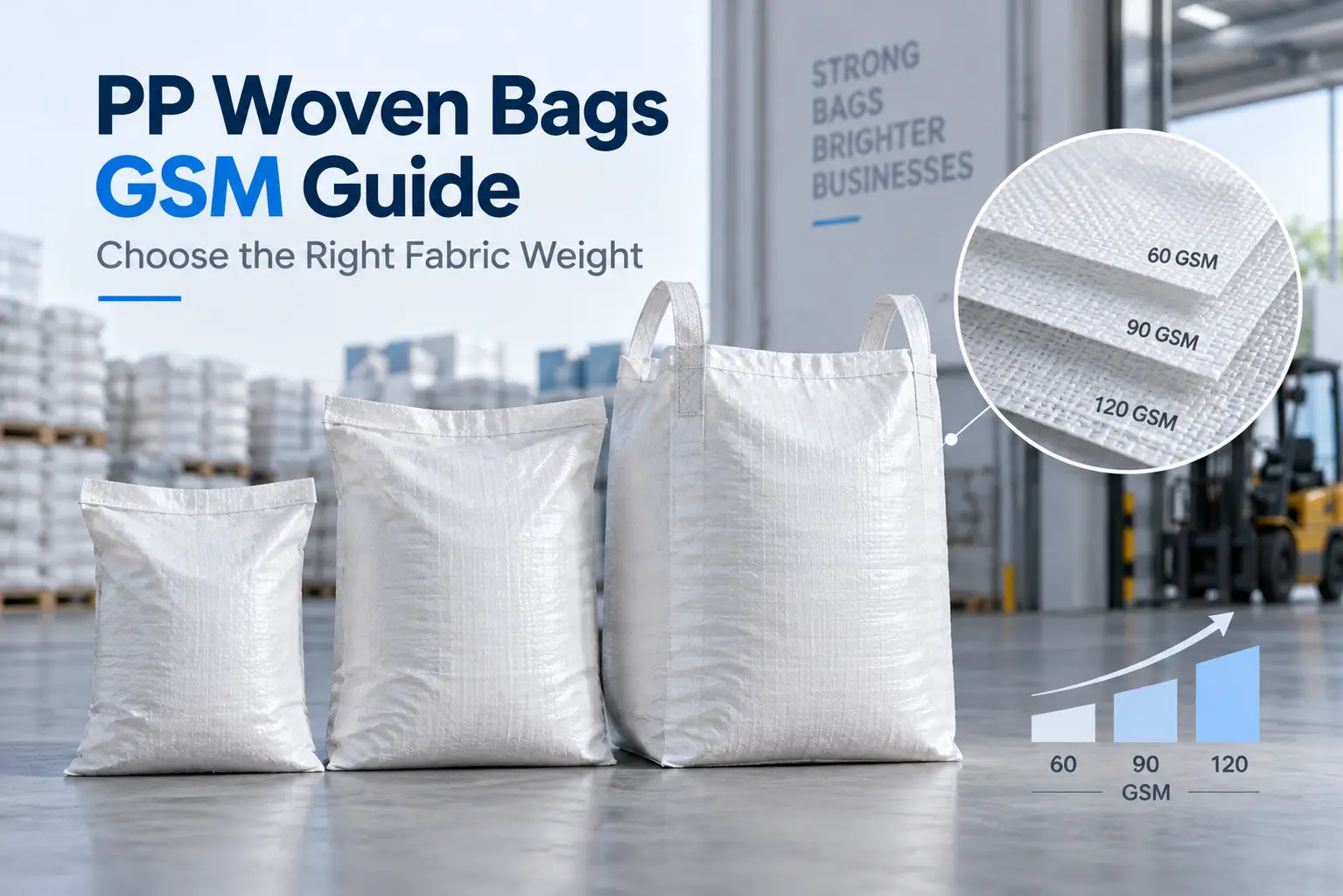
At Aeroflex Neu, we manufacture PP woven bags using calibrated tape extrusion and precision circular weaving to control fabric density (GSM) – the single biggest factor determining how water-resistant a bag is before any lamination is added. Higher GSM fabric means tighter weaves and fewer gaps for moisture to exploit.
Woven Polypropylene performance is only as good as its process controls, which is why our production line integrates in-house lamination, BOPP printing, and liner-insertion capability under one roof, rather than outsourcing these steps. This reduces contamination risk and keeps lead times predictable for large export orders.
Aeroflex Neu’s high-strength PP woven bags ensure consistent tensile strength, UV stability for outdoor storage, and optional food-grade liners that meet FSSAI-aligned hygiene expectations for grain, sugar, and spice packaging. Every batch is tested for seam strength and puncture resistance before dispatch, because a bag that leaks at the stitch line performs no better than one that leaks through the fabric.
What certifications should buyers look for in an Indian PP woven bag supplier?
- ISO 9001 for quality management systems
- BIS IS 16008 for FIBC/jumbo bag grain-handling compliance
- FSSAI-aligned food-grade material declarations for food packaging
- ISPM-15 awareness for exporters combining WPP bags with wooden pallets
How Much Do PP Woven Bags Cost in India in 2026?
Woven Polypropylene pricing in India moves with polypropylene resin costs, GSM, lamination type, and order volume, so ranges below are indicative 2026 market estimates rather than fixed quotes.
- Plain woven PP bags (40–50 GSM): approximately ₹8–₹14 per bag for standard 25–50 kg capacity, at bulk order volumes
- BOPP-laminated printed bags: approximately ₹15–₹28 per bag, depending on print complexity and lamination thickness
- PE-coated waterproof bags: approximately ₹18–₹32 per bag, reflecting the added coating material and processing step
- Food-grade liner insertion: typically adds ₹2–₹6 per bag depending on liner gauge
- Custom branding/printing setup charges: commonly ₹5,000–₹25,000 as a one-time plate or cylinder charge, depending on number of colours
Woven Polypropylene bulk orders generally see meaningful per-unit savings above 50,000–100,000 pieces, which is why Aeroflex Neu structures tiered bulk pricing for manufacturers, distributors, and retail chains ordering at scale. For international buyers, landed cost also depends on freight – ocean freight for a 20-foot container of woven sacks from major Indian ports (Mundra, Nhava Sheva, Chennai) to Middle East or African destinations typically adds a modest per-bag freight component compared to inland Indian logistics, while shipments to the US or Europe carry proportionally higher freight due to distance and current shipping rates.
Are export incentives available for Indian PP woven bag exporters?
Yes. Depending on HS classification, Indian exporters of woven sacks and packaging products may be eligible for duty remission benefits under schemes administered alongside DGFT’s shipping bill and ICEGATE systems, which can meaningfully improve export margins when documentation is filed correctly.
What Industries Rely on Woven Polypropylene Packaging?
Woven Polypropylene serves an unusually broad base of industrial buyers because it balances strength, cost, and breathability better than most alternatives.
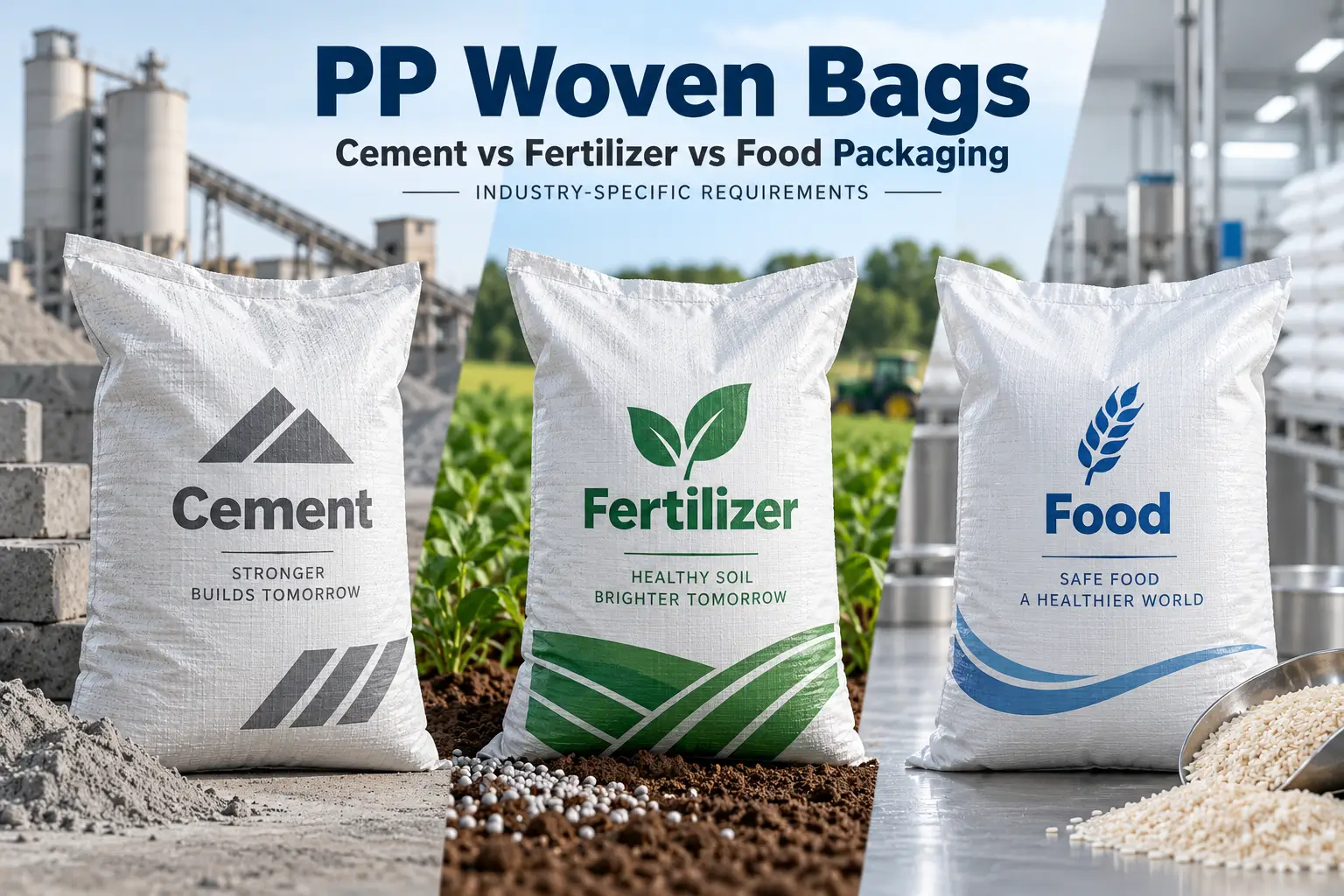
- Agriculture: Grain, pulses, rice, and seed packaging where breathability prevents moisture buildup and spoilage
- Cement and construction: Heavy-duty valve bags built to withstand stacking, forklift handling, and abrasive contents
- Chemicals and fertilisers: Laminated or lined bags that resist corrosive dust and require moisture control
- Food processing: Food-grade liners for sugar, flour, and spices where hygiene compliance is non-negotiable
- Retail and e-commerce: Printed, branded woven bags used for shopping totes and promotional packaging
How does sustainable packaging fit into the PP woven bags conversation?
Woven Polypropylene is increasingly positioned as a reusable, recyclable alternative to single-use plastic under India’s Plastic Waste Management Rules, since a well-made WPP sack can be reused multiple times before recycling, unlike thin single-use films. Industry outlooks note that packaging companies continue investing in recyclability and lighter-weight formats even as public sustainability messaging has become more measured, reflecting genuine regulatory and customer pressure rather than short-term trend-chasing.
Aeroflex Neu’s 2026 India market insights point to rising buyer interest in mono-material PP construction (avoiding mixed-plastic laminates), which simplifies recycling and is becoming more relevant as export markets like the EU tighten packaging-waste rules under evolving Packaging and Packaging Waste Regulation frameworks.
How Should Buyers Choose Between Plain, Laminated, and Liner-Fitted Bags?
Woven Polypropylene selection should start with the end use, not the price list. A grain cooperative storing produce in a dry warehouse for a few weeks has very different needs from an exporter shipping spice powder across the Indian Ocean for three weeks in a humid container.
A simple decision framework:
- Short-term dry storage, domestic use → plain woven PP is usually sufficient
- Retail shelf presence, branding priority → BOPP-laminated printed bags
- Outdoor storage, monsoon exposure, or long ocean transit → PE-coated or fully laminated waterproof bags
- Food, pharma, or fine powder chemicals → liner-fitted, food-grade certified bags
Frequently Asked Questions
Is woven polypropylene fully waterproof?
Not in its plain form. Woven PP is naturally water-resistant, but full waterproofing requires a PE coating, BOPP lamination, or an inner liner to seal the small gaps between woven tapes.
Can PP woven bags be used for food packaging?
Yes, when fitted with a food-grade liner and manufactured under hygienic, FSSAI-aligned conditions, PP woven bags are widely used for grains, sugar, spices, and pulses.
How long do PP woven bags last?
With proper UV stabilizers and standard handling, quality woven PP bags typically last through multiple storage and transport cycles, often exceeding 12–18 months of reusable service depending on exposure conditions.
Are PP woven bags better than jute bags for exports?
PP woven bags generally offer better moisture resistance, lower cost, and more consistent quality control than jute, though jute retains a niche where biodegradability is the primary buyer requirement.
What is the minimum order quantity for custom PP woven bags in India?
This varies by manufacturer, but many Indian suppliers, including Aeroflex Neu, offer flexible bulk order tiers so both large exporters and mid-sized distributors can access customised printing and lamination options.
Do PP woven bags meet international export packaging standards?
Yes, when manufactured to BIS and applicable ISO standards, PP woven bags meet the packaging requirements of most import markets, though buyers exporting with wooden pallets should separately confirm ISPM-15 compliance.
Final Word
Woven Polypropylene remains one of the smartest packaging investments an Indian manufacturer, exporter, or distributor can make in 2026 – provided the specification matches the actual exposure conditions the bag will face. Plain woven PP suits dry, short-cycle storage; laminated and liner-fitted variants earn their place wherever monsoon humidity, ocean freight, or food-grade hygiene is on the line.
At Aeroflex Neu, we manufacture across this entire spectrum, from standard agricultural sacks to fully waterproof, export-ready woven bags, backed by consistent quality control and pricing built for both domestic bulk buyers and international importers. If you’re evaluating packaging for your next production run or export shipment, explore Aeroflex Neu’s PP woven bags range for specifications, customisation options, and bulk pricing tailored to your industry.